From Amateur To Icon: The Five Wins That Made Christophe Lemaire
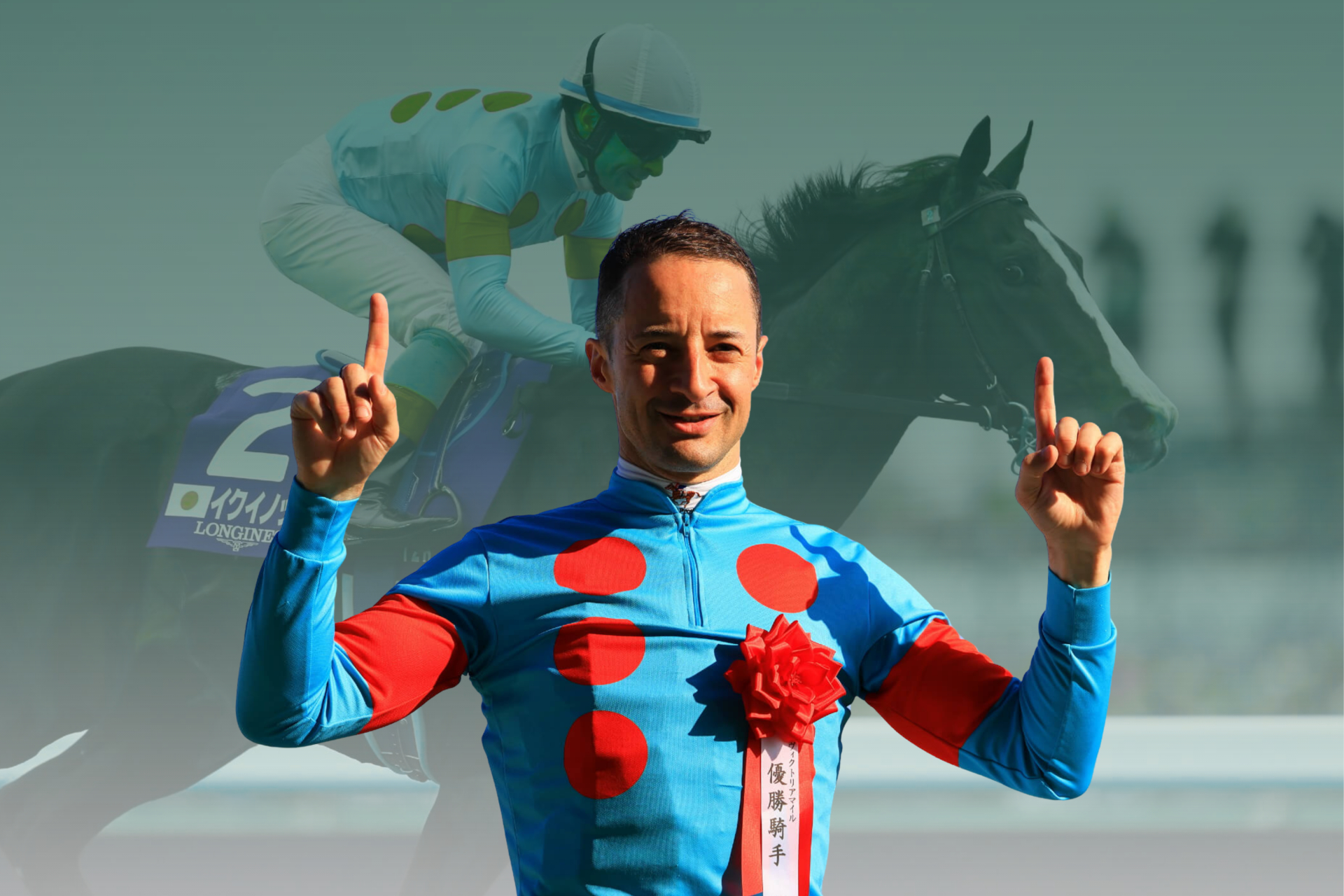
As Christophe Lemaire celebrates 100 career Group 1 victories, the champion jockey reflects on the five triumphs that shaped a journey from the French amateur ranks to the summit of world racing, and what comes next.
From Amateur To Icon: The Five Wins That Made Christophe Lemaire
As Christophe Lemaire celebrates 100 career Group 1 victories, the champion jockey reflects on the five triumphs that shaped a journey from the French amateur ranks to the summit of world racing, and what comes next.
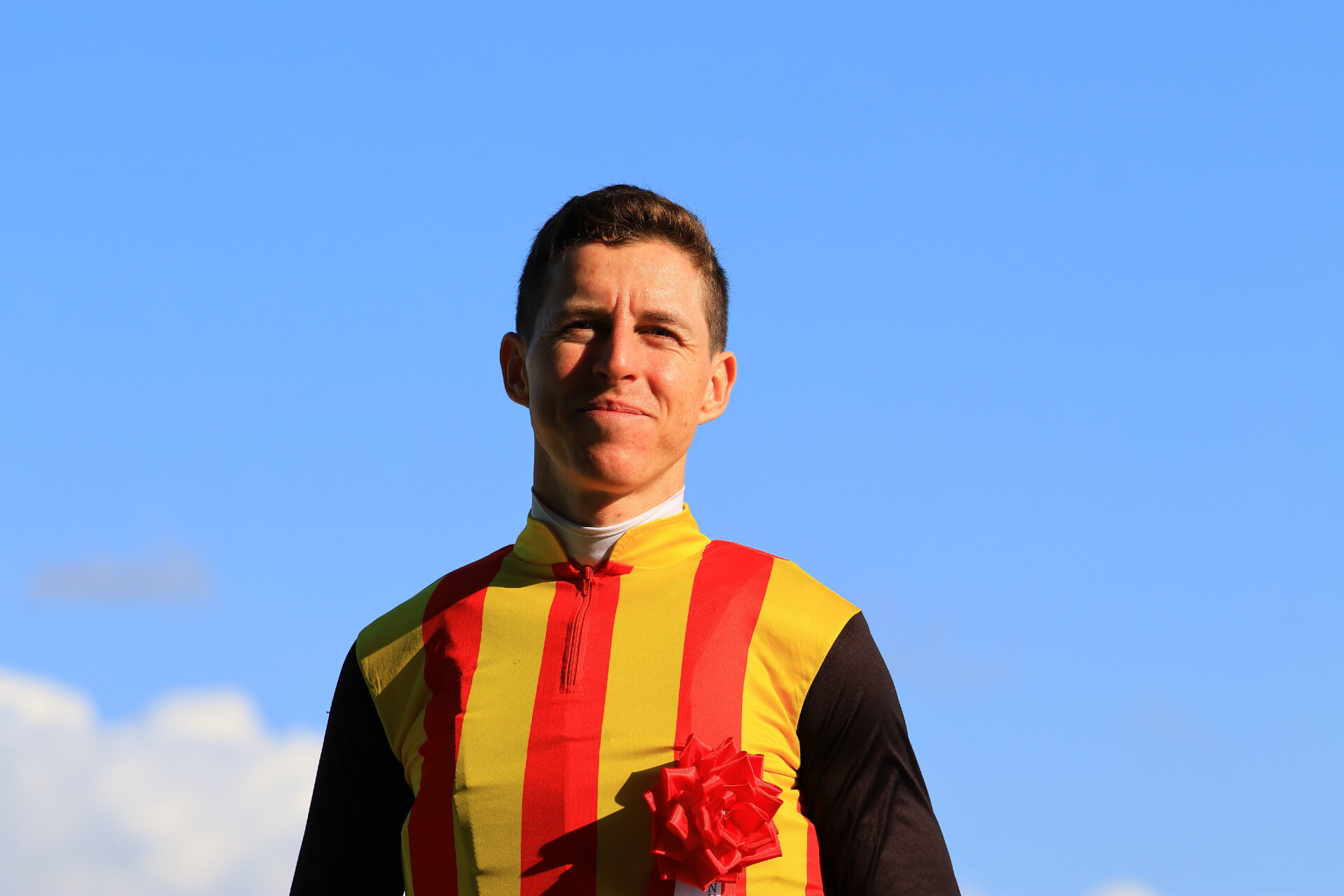
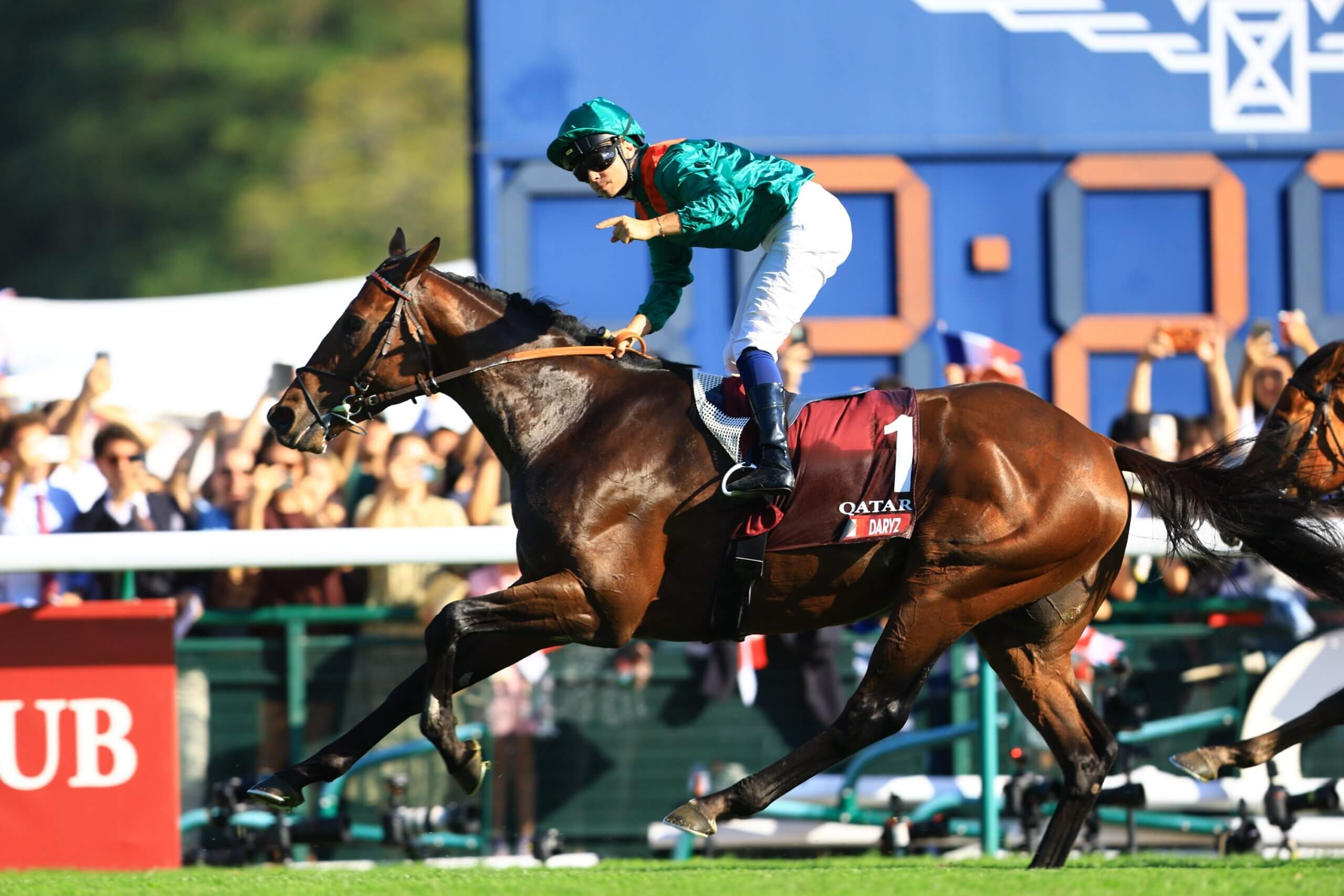
21 May, 2026Christophe Lemaire’s 100th career Group 1 victory arrived in the Victoria Mile in Japan, where he has been based for the best part of two decades. The milestone – which includes the JBC Sprint, a JPN Group 1 on the domestic calendar – caps a riding career that has taken him from the weighing rooms of Chantilly to champion jockey honours in Tokyo, with a Melbourne Cup and a Dubai Sheema Classic along the way.
To mark the occasion, Lemaire has chosen not his most famous victories, or necessarily his best, but the five that mattered most – the wins that opened doors, changed his career trajectory, or contributed to the kind of jockey he was becoming. His first choice takes him all the way back to where it started, and to a path into racing that was anything but conventional.
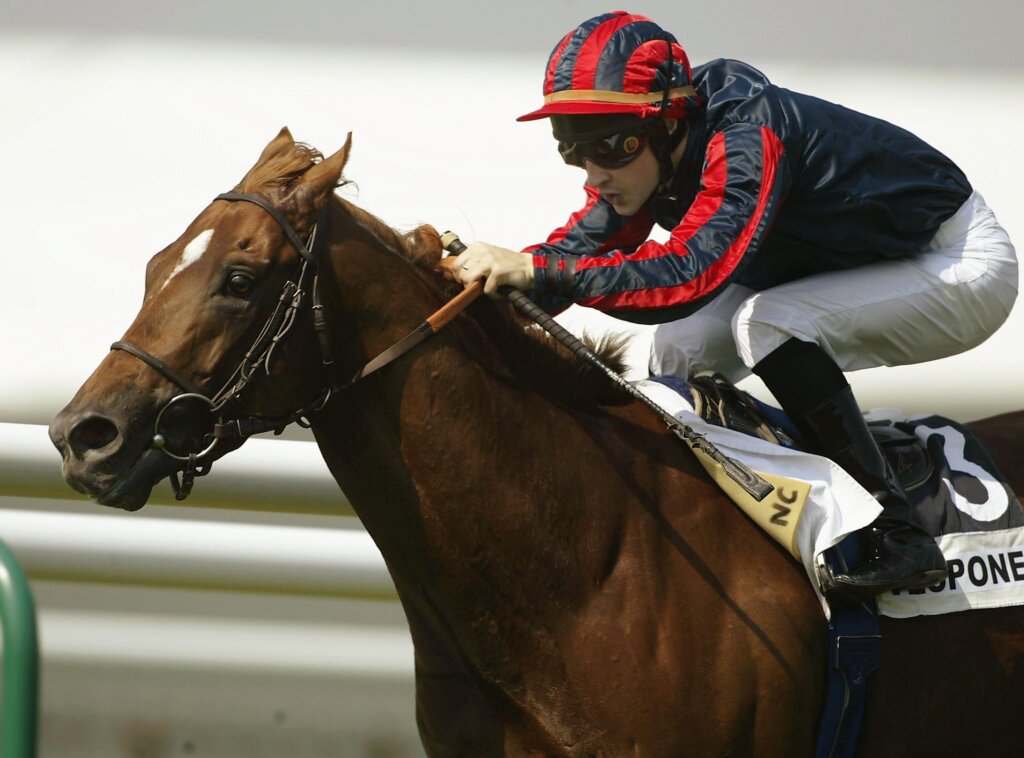
1. Vespone – Prix Jean Prat (2003)
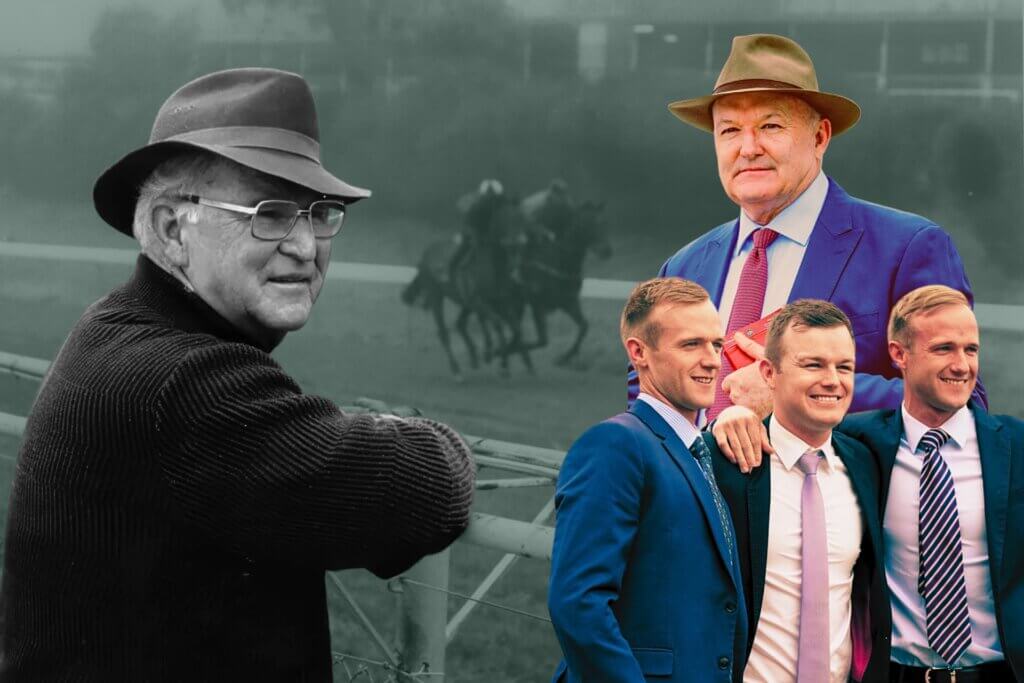
Before there were 100, there was one. Christophe Lemaire’s first Group 1 winner came not aboard a gilded blue-blood but a horse with a plain pedigree named Vespone, trained by Nicolas Clément, one of the men who gave the young jockey his chance.
“It was not Galileo or some Sadler’s Wells or some big names in breeding, but he was a beautiful horse,” Lemaire recalls. Vespone won the Prix Jean Prat in May, then the Grand Prix de Paris at Longchamp in July – two Group 1s that announced Lemaire’s arrival on the biggest stage in French racing.
What made this moment so charged was where Lemaire had come from. He had entered racing not through the conventional apprentice pathway, but through the amateur ranks – the gentleman riders, as they are known in France. He went to school, rode on weekends for no pay, and only turned professional after completing his baccalaureate at 19. It was, he admits, the unconventional route. “To become a top jockey, it’s better to start early, like in any sport,” he says. “But I think for myself it was the right way.”
That first Group 1 meant something beyond a trophy, prize money or even the prestige attached. It was validation. “I knew what Group 1s meant to jockeys,” he says. “Being one of the jockeys able to win a Group 1 was a very, very special moment for me, especially coming from the amateur side. I considered it as a big achievement – even if I was young and many more were to come, at least I would have won a Group 1 in my career. That was very big for me.”
He notes, with a touch of pride, that another rather handy jockey took the same amateur-to-professional path: Ryan Moore.
Lemaire believes the years spent balancing school and racing gave him something the conventional pathway could not. “The different skills and perspective was mostly for my brain,” he says. Staying in education until 19 gave him time to grow from teenager to adult – and, crucially, time to be sure. “Sometimes you want something, you get it, and then you say no, finally it’s not the path I want to take. During these two years I really built my passion for horse racing.” By the time he turned professional, there was no doubt left. The desire had been tested, and it had held.
2. Divine Proportions – Prix de Diane (2005)
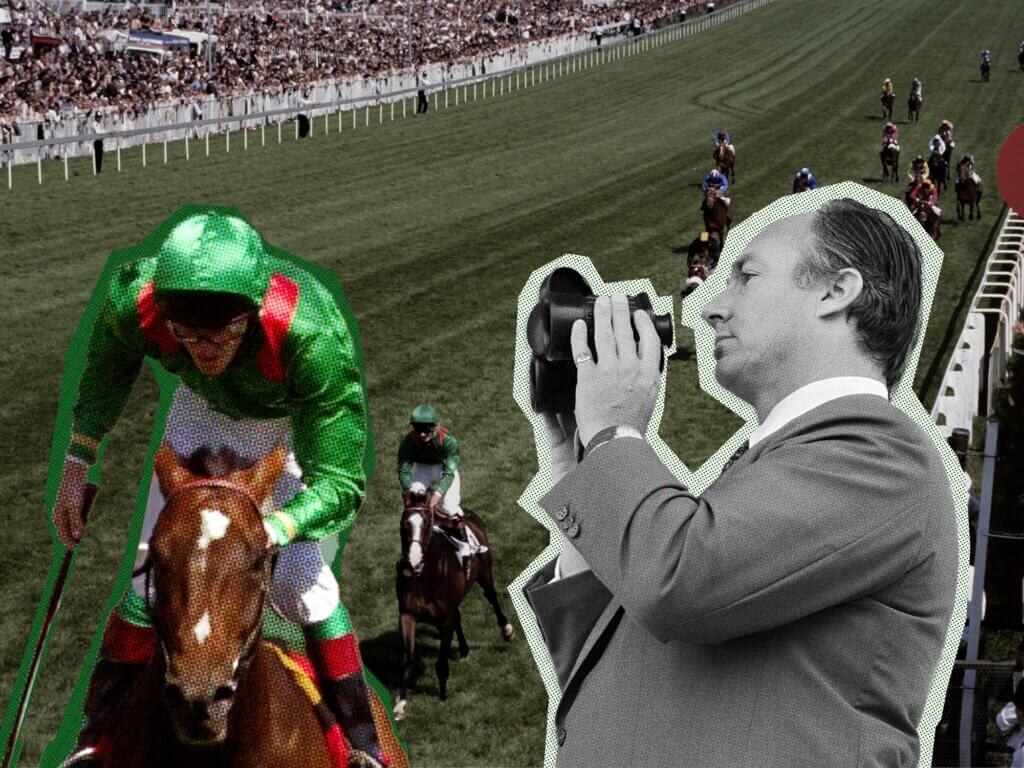
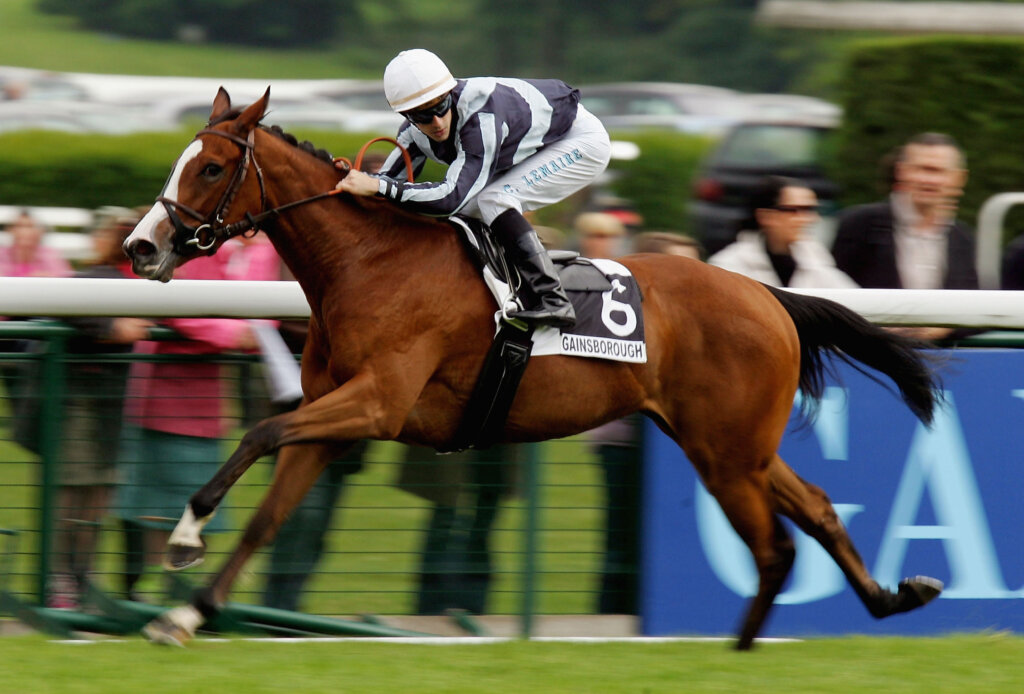
If a first Group 1 opens the door, a first classic kicks it wide open. Divine Proportions, the best two-year-old filly in Europe who became the best three-year-old, carried Lemaire to victory in the Poule d’Essai des Pouliches, and then the Prix de Diane at Chantilly – and carried his name across the continent.
“As soon as you win a classic, you start to be known more internationally, especially in Europe,” he says. “It was a big step for me in the jockey ranking and in my fame.”
Divine Proportions wore the famous Niarchos silks, colours that had been carried to glory by generations of champions before her. The weight of that history was not lost on her jockey. “Wearing these colours for the Prix de Diane and winning with such a tremendous feeling – that was really a special moment.”
But this was more than a career milestone. Lemaire’s whole family had gathered at Chantilly that day. The Prix de Diane, with its tradition of elegance – ladies in hats, beautiful dresses, the Chantilly sunshine – provided the perfect stage and Divine Proportions performed brilliantly upon it, winning by three lengths. “It was a marvelous day for me,” he says simply. “And of course great memories.”
3. Heart’s Cry – Arima Kinen (2005)
Of all the wins on this list, this is perhaps the one whose significance has only deepened with time. In December 2005, Christophe Lemaire rode Heart’s Cry to victory in the Arima Kinen at Nakayama – defeating Deep Impact, the Triple Crown winner, in front of more than 160,000 people.
Deep Impact was Japanese racing’s new deity. “When you saw him galloping, he was just like a ballerina, running without doing any effort,” Lemaire says. “He was definitely the star of the moment.”
Just weeks earlier, Lemaire had finished a nose second in the Japan Cup aboard Heart’s Cry, beaten by Alkaased in a world record time for 2400 metres. Three years into his time in Japan, he did not yet have a single Group 2 or Group 3 victory to his name. The frustration was immense.
But Lemaire saw something in the Arima Kinen setup – Nakayama’s tight, tricky track with its short home straight – that might work in his favour. “I told myself, man, if Heart’s Cry runs the same race as in the Japan Cup, if I can put him in at the right spot at the right time, maybe Deep Impact coming from the back of the field, he won’t have time to catch me.”
The race unfolded exactly as he had imagined. Lemaire had Heart’s Cry jumping sharply from the gates, positioned third, and used his mount’s stamina and long acceleration to steal the race. Deep Impact, making his customary late charge from the rear, ran out of ground. The crowd was stunned.
“It was a big shock,” Lemaire says. “And maybe the race where everybody considered Mr. Lemaire as a good jockey in Japan.”
It was the win that changed everything. Before Heart’s Cry, Lemaire was a visiting Frenchman. After Heart’s Cry, he belonged.
4. Dunaden – Melbourne Cup (2011)
The story of Christophe Lemaire and the Melbourne Cup reads like fiction. He was based in Japan. He got a late call from trainer Mikel Delzangles after Craig Williams was suspended the week before. He flew to Melbourne not even certain he would ride.
“Craig Williams was in court the day before to try to cancel the suspension,” Lemaire recalls. “I said okay, I will go to Australia – whatever, if I ride or not, at least I will witness the Melbourne Cup at least once in my life.”
Williams lost his appeal. Lemaire was on.
On the morning of the race, he walked the Flemington track with John Marshall, a former Melbourne Cup-winning jockey. “Every time I talk about the Melbourne Cup, I have a thought about him,” Lemaire says. “He just told me the way to win the Melbourne Cup. If I had to paint a path on the track, I followed exactly what he told me.”
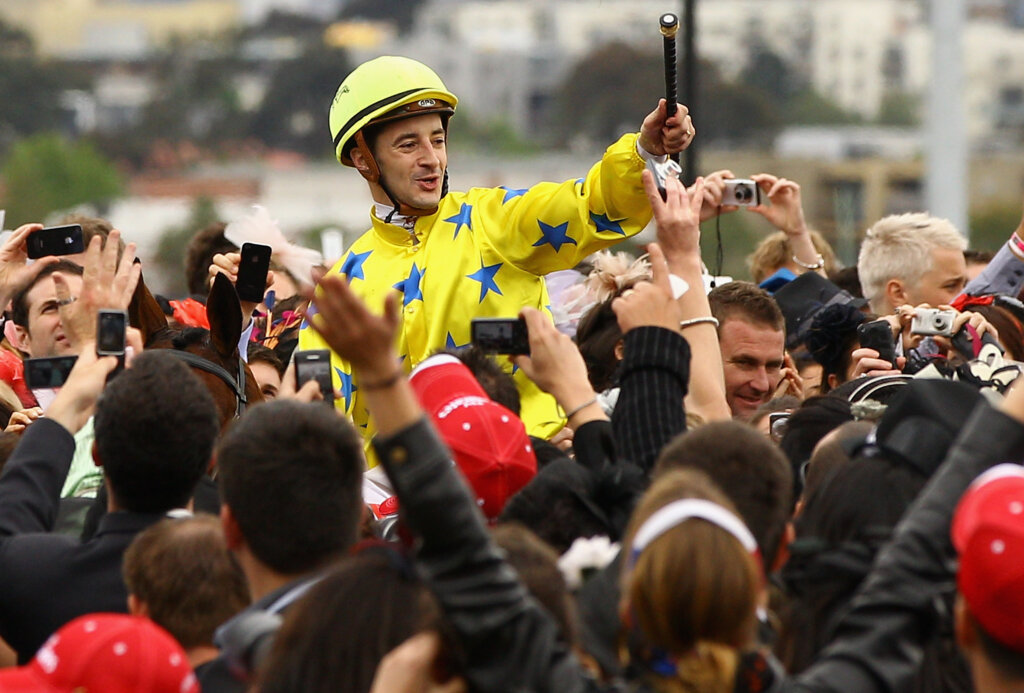
Lemaire won the race that stops a nation by the shortest margin in Melbourne Cup history. And then came the surreal aftermath: sitting on Dunaden, still on the track, watching the horse-back interviewer John Letts take the microphone to Michael Rodd on the runner-up Red Cadeaux. “I thought, my gosh, I lost the race.”
It was only when he passed the grandstand and the crowd erupted that doubt turned to disbelief. “You can see on some footage that I’m pointing at myself saying, ‘Is it me? Am I the winner?’”
There is something beautifully absurd about the image: a French jockey, perched aboard a horse on the most famous flat track in the southern hemisphere, seeking confirmation of his victory not from a steward or a judge but from the boozy, swirling masses of the Cup day crowd – tens of thousands of Australians in various states of celebration and inebriation, none of whom you would call an official source.
The impact of that single race – the closest Cup in history – endures to this day. “Still now when I talk with Australian people who don’t know about horse racing, when I say that I’m a Melbourne Cup winner jockey, they are just ‘wow’,” he says. “I still have the benefits of that winner.”
5. Equinox – Dubai Sheema Classic (2023)
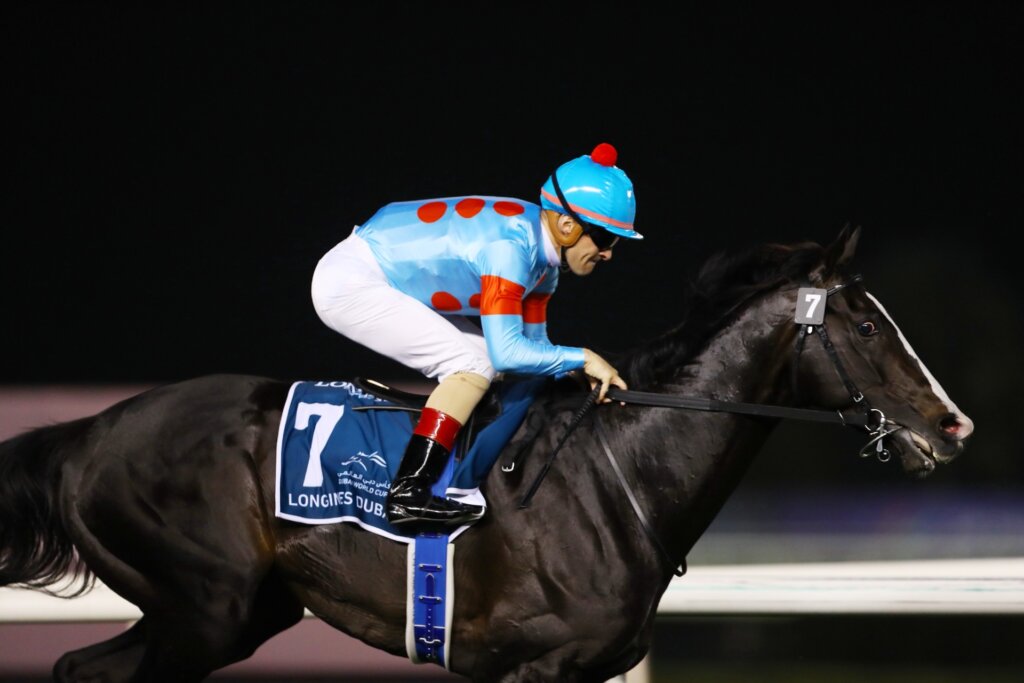
If you need proof that a single race can echo around the world, Equinox’s Dubai Sheema Classic is it. This was the performance that made even American racing – a world that typically concerns itself only with the Kentucky Derby and the Breeders’ Cup – sit up and pay attention.
“When I went to America afterwards, everybody came to me and talked about Equinox,” Lemaire says. That was the impact he had.”
Against a high-class international field, Equinox was devastating. The call from American broadcaster Larry Collmus – crowning Equinox “the titan of the world’s turf” – elevated the moment into something cinematic. Lemaire reaches for the ultimate sporting comparison: “It’s like watching Diego Maradona’s goal against England in the World Cup with that call – ‘ta ta ta ta ta, goal’.”
What made Equinox special? In Lemaire’s telling, it was everything: the lung capacity that gave him stamina, the raw power that produced a race-killing acceleration, the mental toughness, the fighting spirit. “He had all the abilities to become a nearly perfect athlete,” Lemaire says. “He was made to run. His physicality allowed him to gallop without doing too much effort. The DNA that he had was maybe different compared to other horses. It made him the perfect athlete for this sport.”
The Next Chapter (2006 & Beyond)
One hundred Group 1 winners. A career that has spanned feature wins in France, Britain, the United States, Australia, Dubai and Japan. Amateur rider to champion jockey. And still, at the time of this interview, Lemaire is posting career-best numbers in Japan – 76 winners and three Group 1s for the season, figures he has not matched at this stage of the season in a decade.
“I can be 99% sure that there won’t be 100 Group 1s for me again in the future,” he laughs. “But a few more, I hope.”
He concedes he is closer to the end than the beginning. But there is no retirement date, no finish line in sight – nor should there be given the way he is riding. “I’m still focused on my races. Every single race I want to win. I’m still competitive. I still want to win races and big ones. So I’m still here for a while.” ∎