Aidan O’Brien has had his say: he’s not in favour. Francis-Henri Graffard has said his piece: he is in favour. The French maestro Andre Fabre has let his view be known, and he’s against it.
The France-Galop announcement this week that its board has voted in favour of allowing geldings to race in France’s great weight-for-age race, the G1 Prix de l’Arc de Triomphe, has rattled some cages and divided opinion.
That’s understandable. The race is cherished far and wide, and, if it ain’t broken don’t fix it, some would say. The Arc isn’t broken: most years it fields the best mile and a half colts, fillies and mares in Europe and often Japan – Derby and Oaks winners, King George heroes, Japan Cup, Arima Kinen and Takarazuka Kinen stars.
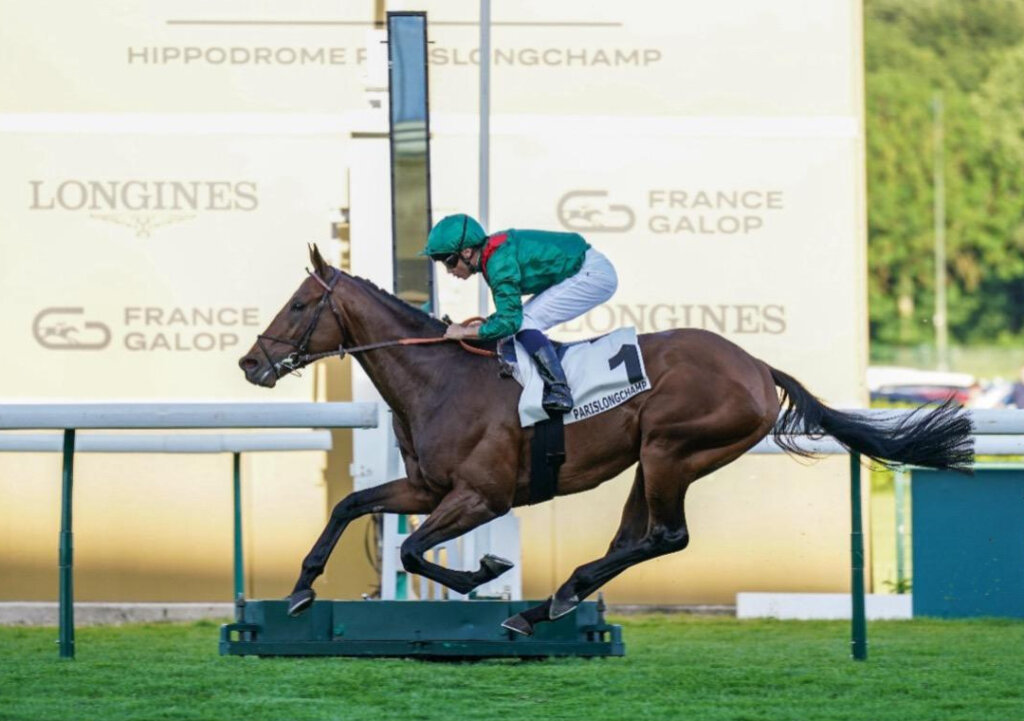
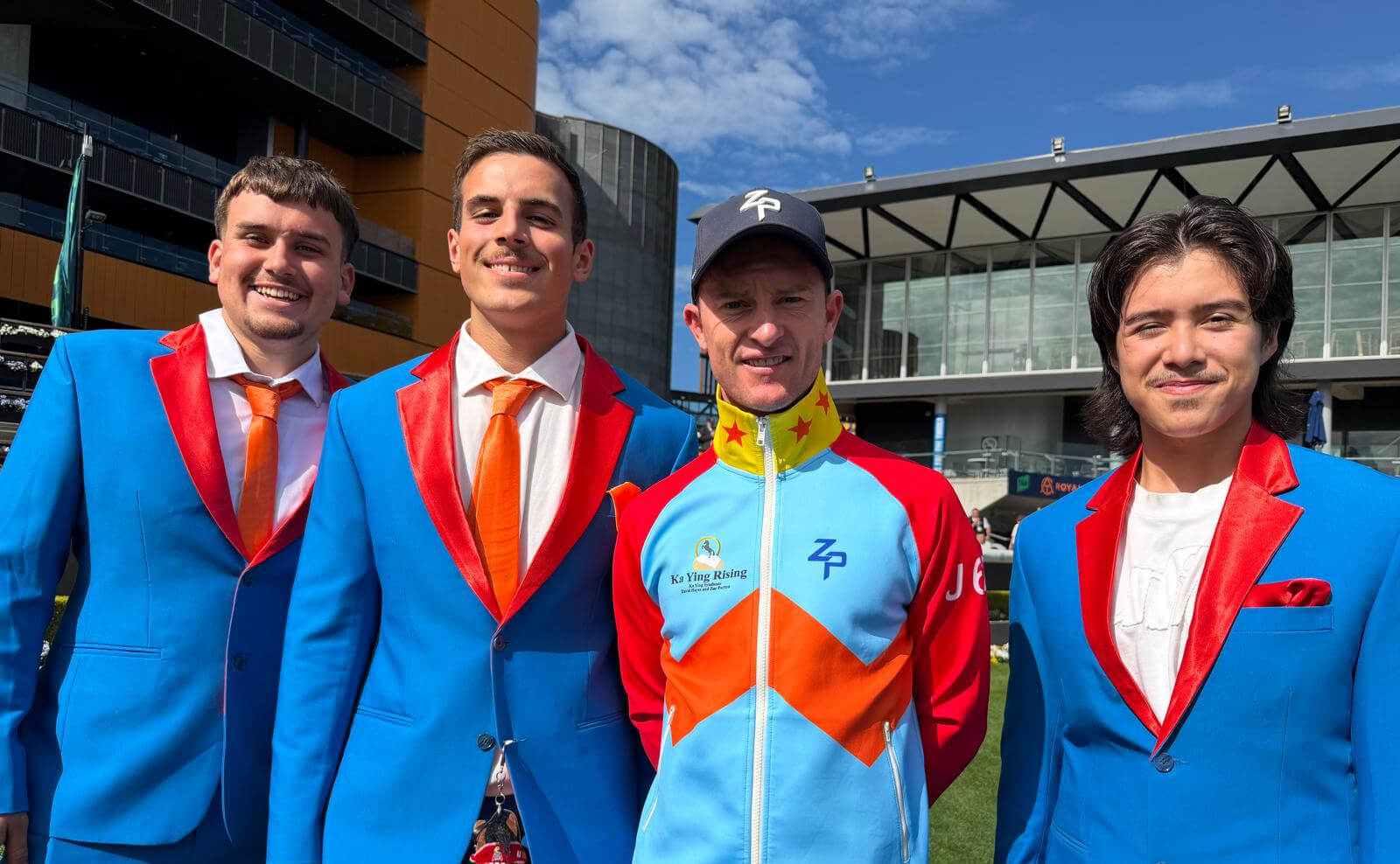
Even so, once in a while it is time for even a great thing to be improved. The Arc could be better: better suited to the changing world around it. A world in which three of the world’s outstanding champions right now are geldings: Calandagan, Romantic Warrior and Ka Ying Rising.
Cutting through all the viewpoints and arguments about protecting the breed, making stallions and all that – deep-rooted and largely well-meaning points of view, no doubt – it surely comes down to the question of whether horse racing is a modern sport that pitches the best against the best or is it a protected quasi-agricultural pursuit for the benefit of rich breeders?
Well, in the age of globalisation, and with the Hong Kong Jockey Club’s World Pool propping up European racing’s coffers, it must be seen as a sport, first and foremost, if it is to thrive and even survive.
Sport is about competition. Sports fans want to see champions clash. Horse racing is a sport and it needs to act as one. So, with this in mind, how can a race pitched as the best weight-for-age mile and a half race in the world actually be the best if the best isn’t always allowed to compete?
Allowing geldings to run in the Arc has been talked about before – Cirrus Des Aigles was a glaring victim of the rule more than a decade ago – but it has risen to the top of the agenda in the last couple of years because of two horses in particular.
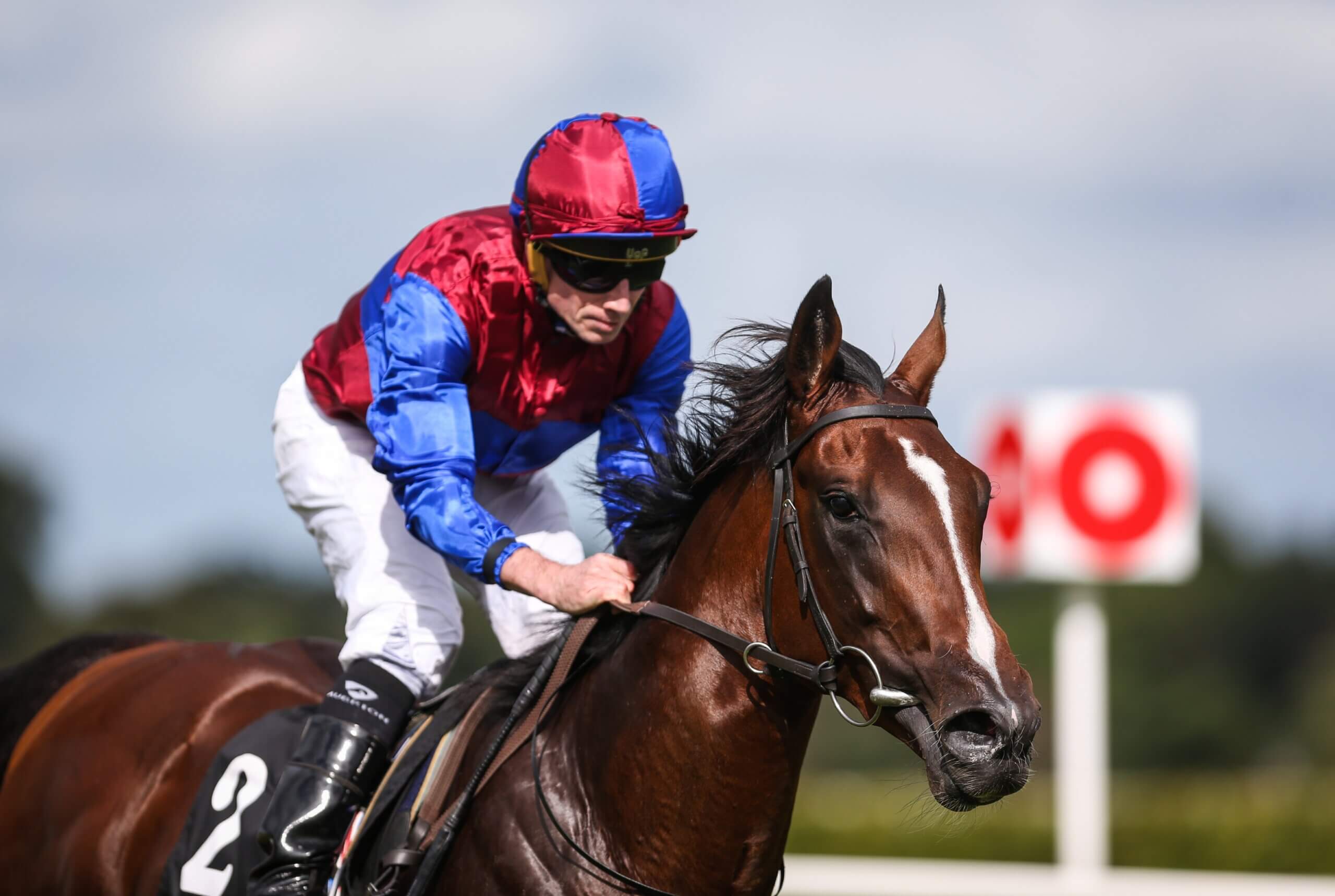
The first of those, Goliath, won the G1 King George VI and Queen Elizabeth Stakes at Ascot in 2024. That’s Britain’s high summer equivalent to the Arc and it accepts geldings.
When Goliath’s owner John Stewart realised his gelding was ineligible to race in Longchamp’s October showpiece, he made plain his views on social media.
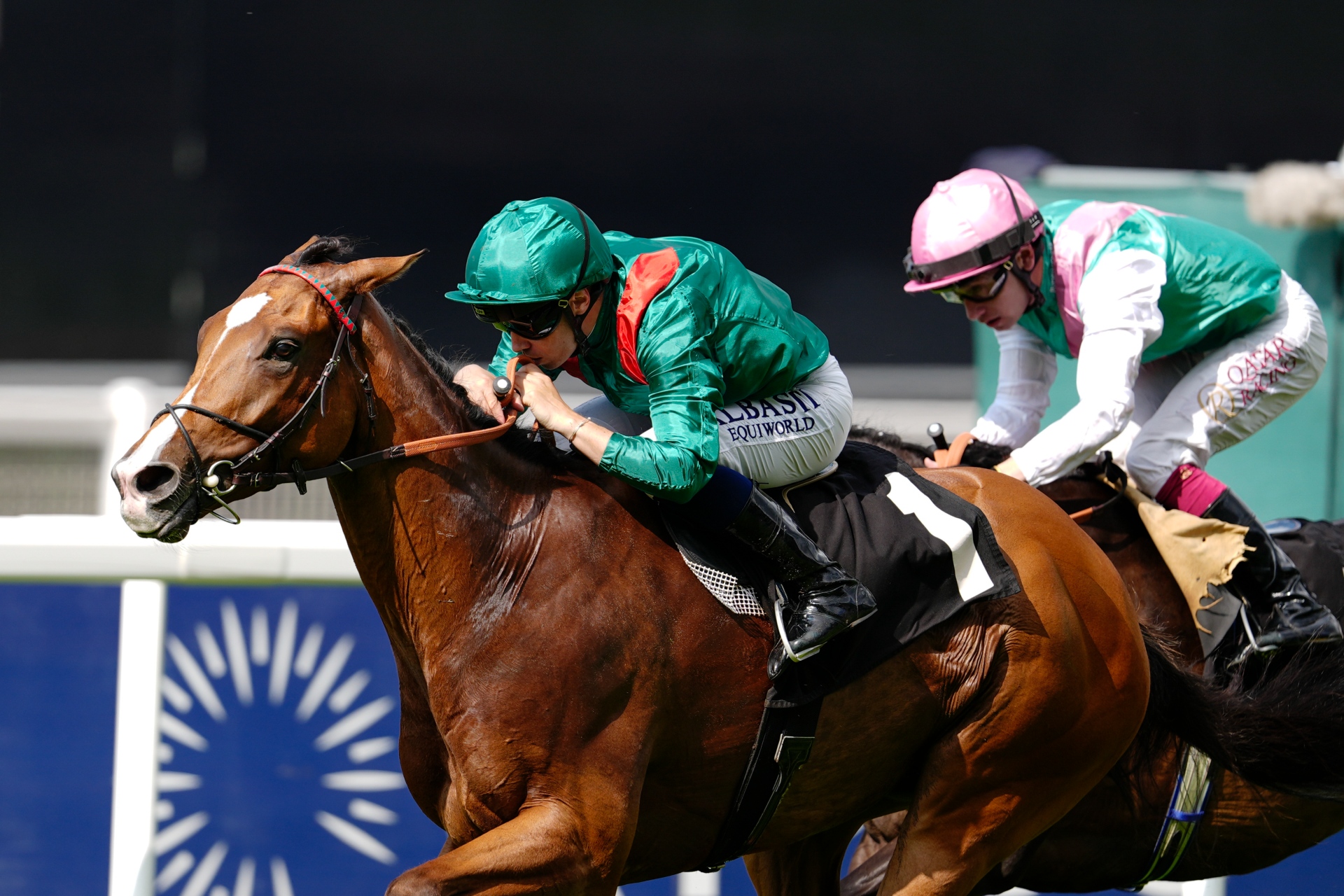
But coming up on the heels of Goliath was Calandagan, an Aga Khan Studs homebred who showed he was the best in Europe last year before the Arc even came around, yet was barred from showing that in Paris because at some point in his youth he was so intractable that someone sensibly decided to castrate him. So, he went to Tokyo and beat the Japanese on their own patch instead. He was rated the world’s best racehorse on official ratings and was widely lauded for his achievements.
A French horse top of the tree, but barred from France’s biggest race. That must have been a strange pill for France-Galop to swallow.


But the French governing body hasn’t rushed this move, nor taken it lightly. Its officials have said the board was conscious not to make a decision last year or the year before based on the pressure to admit Goliath or Calandagan. Knee-jerk decisions were not what was needed.
Two of the big arguments against allowing geldings are firstly that one of the race’s functions is to advance the breed, but a gelding’s castration means it isn’t doing anything for the breed; and secondly, castration changes a horse’s biology, altering their hormones; they are leaner and finer in their physique, easier to train than colts, so they are considered to have gained some advantage.
But it’s actually not often that a gelding emerges which is good enough to be a serious contender for the Arc, and it’s hardly likely that the breeding powerhouses that dominate the race are going to start gelding blue-blooded colts left and right to try to find some biological advantage.
And it’s a pretty hollow argument that says the Arc must exclude geldings to advance stallions and protect the breed. Let’s be honest, look at the list of past winners, there aren’t many breedshapers among them.
And the whole thing is particularly odd when you realise that all of the King George, Japan Cup, Breeders’ Cup Turf, Cox Plate, Breeders’ Cup Classic, Hong Kong Cup, Champion Stakes, Irish Champion Stakes, and so on – all internationally recognised middle distance championship races – allow geldings in.
The three-year-old classic races rightly exclude geldings – as do Europe’s two-year-old Group 1 races – because they are the races that serve the purpose of discovering and perpetuating the best bloodlines. So why does the Arc need to exclude them too? It doesn’t.
In this regard, the Arc has become a shibboleth, seemingly trapped in the elitist mindset of exclusive boys’ clubs, a way of thinking that was of the time at its creation back in 1920. A mindset that has never really been rooted out of European racing’s core and which is so obviously apparent for example in the classist layout of many of its racecourses, particularly in Britain.
France-Galop should be applauded for recognising the fallacy and attempting to escape the trap. The race would only have been enhanced had Calandagan, Goliath and another top-class gelding Rebel’s Romance been in the Arc the past couple of years. Now it’s up to the European Pattern Committee to give it the go-ahead.
The sport is in trouble on several fronts. It needs to recover and hold its place in the packed and competitive sports landscape, and within the betting sphere in which sports betting and illegal markets are uncompromising rivals. In doing that it must champion its heroes and it must pitch the best against the best in all open weight-for age competition, geldings very much included. ∎