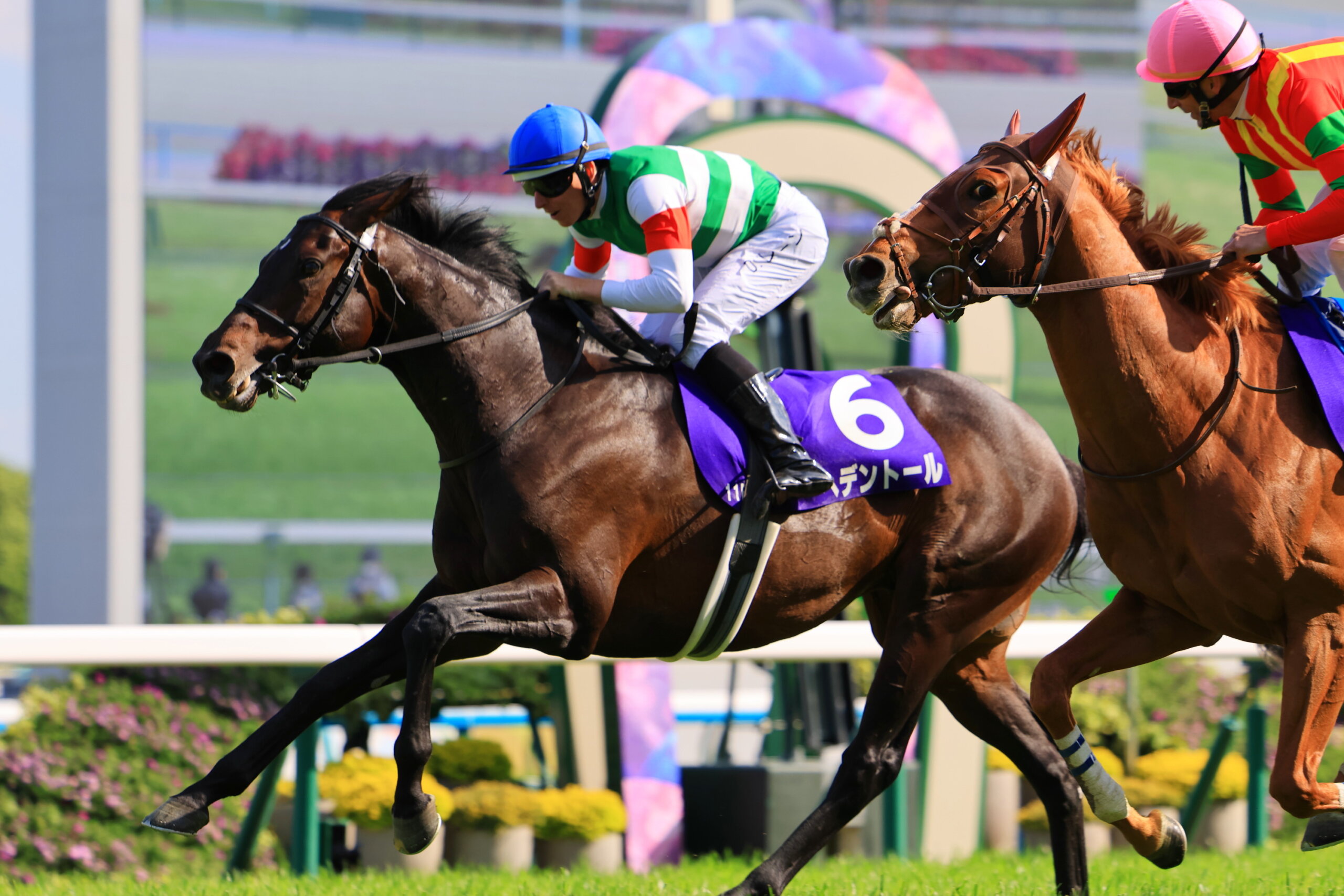
Venue: Kyoto
Distance: 3200m
Value: ¥650,000,000 (about US$4,200,000)
The Imperial Cup was reorganised into two races in 1937, a spring version and an autumn version, which are now known as the Emperor’s Cups, the Tenno Sho (Spring) and Tenno Sho (Autumn). The spring race was first held at Hanshin in 1938 and remained there until 1944 when it moved to Kyoto, where it has been run ever since except for occasional transfers to Hanshin, including during Kyoto track renovations.
The Tenno Sho (Spring) is the longest Grade 1 flat race in Japan’s calendar and takes place on right-handed Kyoto’s outer turf course. It is a prestigious contest for horses aged four and up, and has been won by such stars as Deep Impact, Kitasan Black, Gold Ship, T M Opera O, Special Week, Symboli Rudolf, Tamamo Cross and Speed Symboli.
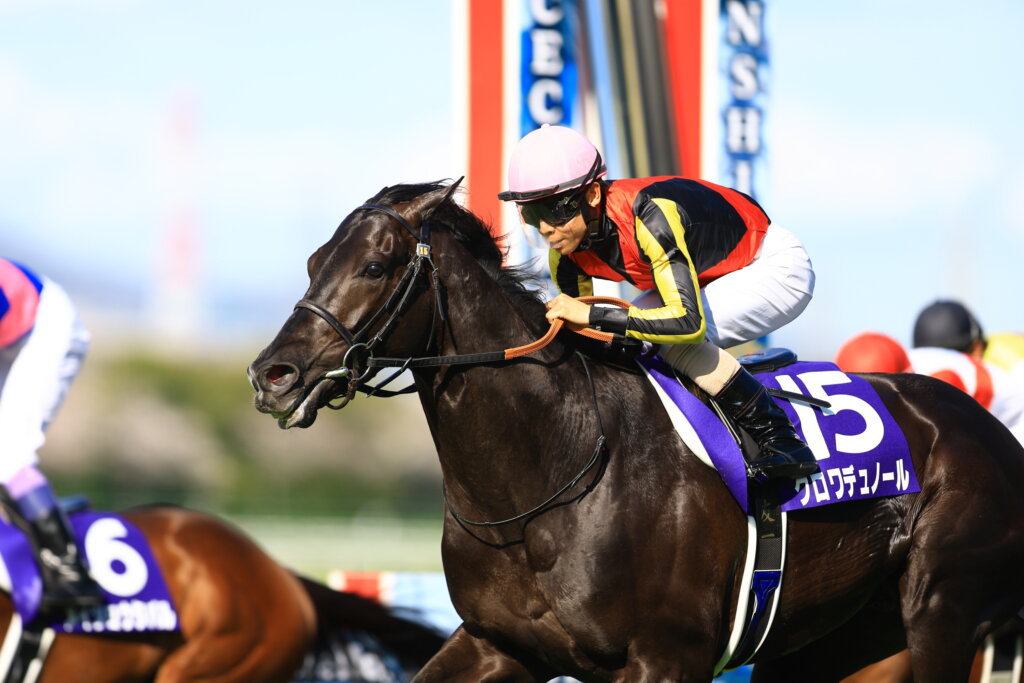
Croix Du Nord For The Derby Winners
The great Deep Impact followed his triumphant Triple Crown season with Tenno Spring success in 2006, and the year after, Meisho Samson also followed his Derby win with victory in the two-mile feature, before placing second in the 2008 Tenno Sho Spring. If Croix Du Nord is to win on Sunday, he has some big footsteps to follow in.
But since Meisho Samson, six Derby winners have tried to win the Tenno Sho (Spring) and all have failed, including the Triple Crown winner Orfevre who was only 11th in 2012, and Eishin Flash who had to settle for second in 2011. The most recent Derby winner to try and win the race was Tastiera who two years ago found the test beyond him and finished seventh behind T O Royal.
Croix Du Nord set the foundation for his four-year-old campaign with a first-up win in the G1 Osaka Hai over 2000m last time, and that’s the same race his father Kitasan Black won in 2017 en route to his second Tenno Sho (Spring) victory.
Yoshida’s View
One of the things Japanese racing is respected for worldwide is the way it has protected the stamina element in the thoroughbred and has maintained an emphasis on producing top-class mile-and-a-half horses.
Stamina traits have gradually receded in other parts of the world, notably Australia, where sprinters are kings, and also in the United States and in Britain, where a speedy, precocious type that offers quick returns is a more attractive option for breeders and buyers. It’s noticeable how few three-year-olds seem to see out the mile and a half of the Derby and the Oaks at Epsom these days.
The Tenno Sho’s prestige makes it one of those races that helps bolster the stamina requirement in Japan’s breeding industry. But recently Teruya Yoshida of the mighty Shadai Farm, one of the most influential figures in Japanese and world racing, suggested the Tenno Sho should perhaps be reduced in distance to a mile and a half to boost the race’s quality and provide a step towards Europe’s middle-distance features such as the G1 King George VI and Queen Elizabeth Stakes.
In that context, a win for Croix Du Nord might be a fillip for the race and offer a counter argument for keeping the race at two miles.
Terra On The Rise
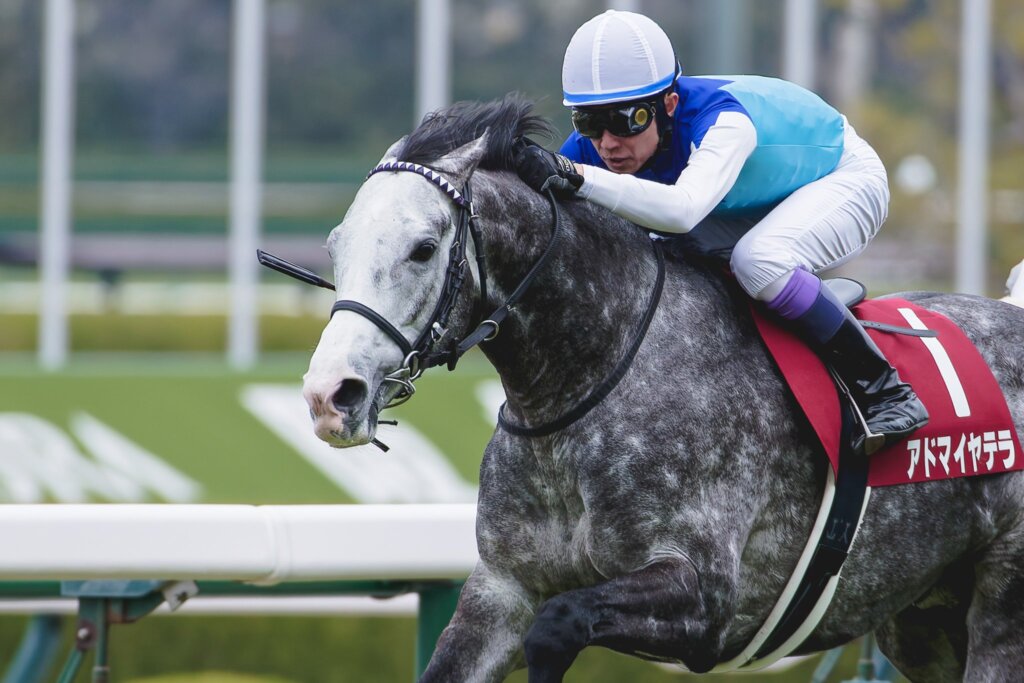
Admire Terra has the profile of a horse that has been nurtured patiently and may be about to emerge as a top-class stayer at age five. The grey was third in the G1 Kikuka Sho, the St Leger, as a three-year-old, and last year he was tested in the G1 Japan Cup and the G1 Arima Kinen without making a dent.
But Admire Terra was mightily impressive last time under Yutaka Take when winning the G2 Hanshin Daishoten in record time by three lengths. Japan’s greatest jockey settled the son of Rey De Oro midfield on the rail, progressed to the tails of the leading pair turning for home, and sent him clear early in the home straight. A similar stalking run might well give Take his ninth win in the race and first since Kitasan Black nine years ago.
Remaking Shin Emperor?
Shin Emperor was expected to develop into a top-class four-year-old after his win in the G2 Neom Turf Cup in Saudi Arabia in February of last year, he had, after all, posted exciting thirds in the G1 Tokyo Yushun and the G1 Irish Champion Stakes as a three-year-old the year before. But since Riyadh, he has gone off the boil.
Now on a streak of five losses, including a well-beaten fourth in this year’s Neom Turf Cup, trainer Yoshito Yahagi is stretching him out in distance to see if he can be rekindled. This could be the five-year-old’s last chance to show he still has the spark.
Diamond Stakes Step Up
The Hanshin Daishoten is a key lead-up to the Tenno Sho (Spring) but the G3 Diamond Stakes over 3400m at Tokyo, is an important stepping-stone, too. Redentor won last year’s Tenno Sho off a lead-up win in the Diamond and this time around, the maturing five-year-old Stinger Glass heads in off a smart Diamond Stakes win.
Damian Lane took Redentor’s reins for Tenno Sho (Spring) success last year, and the Australian will side with Stinger Glass this time. ∎