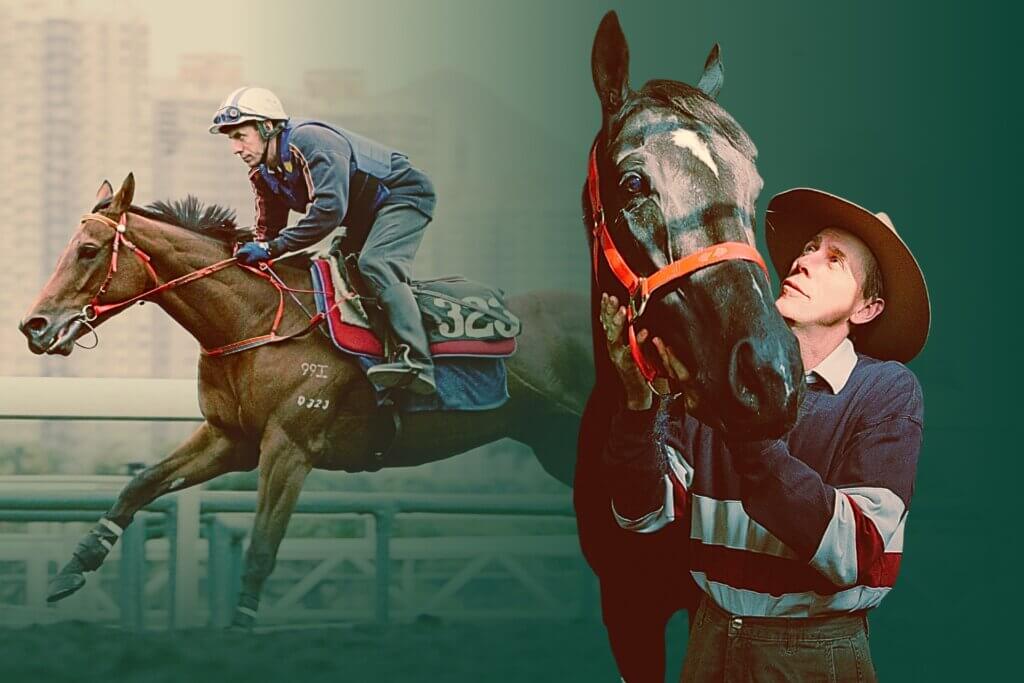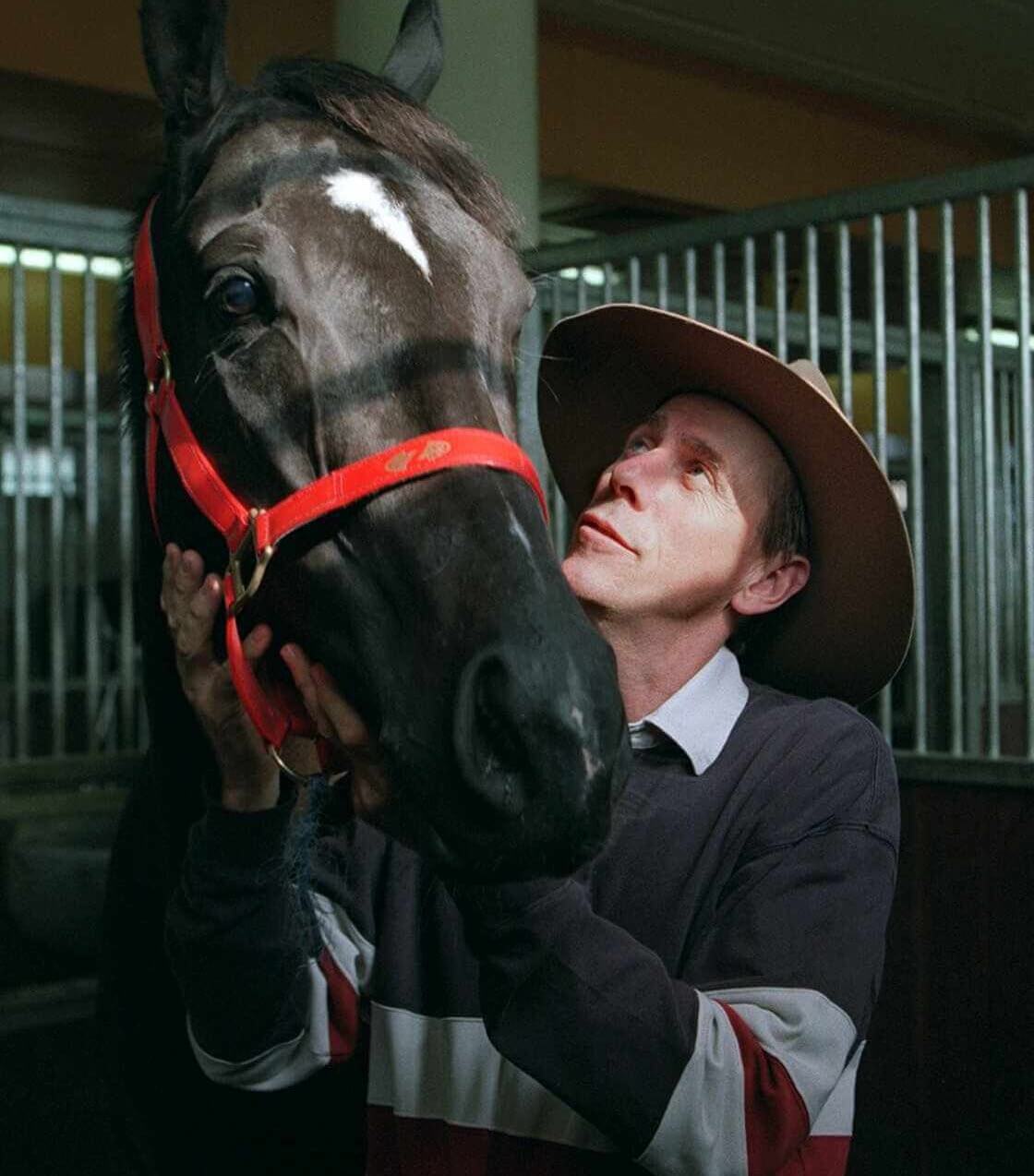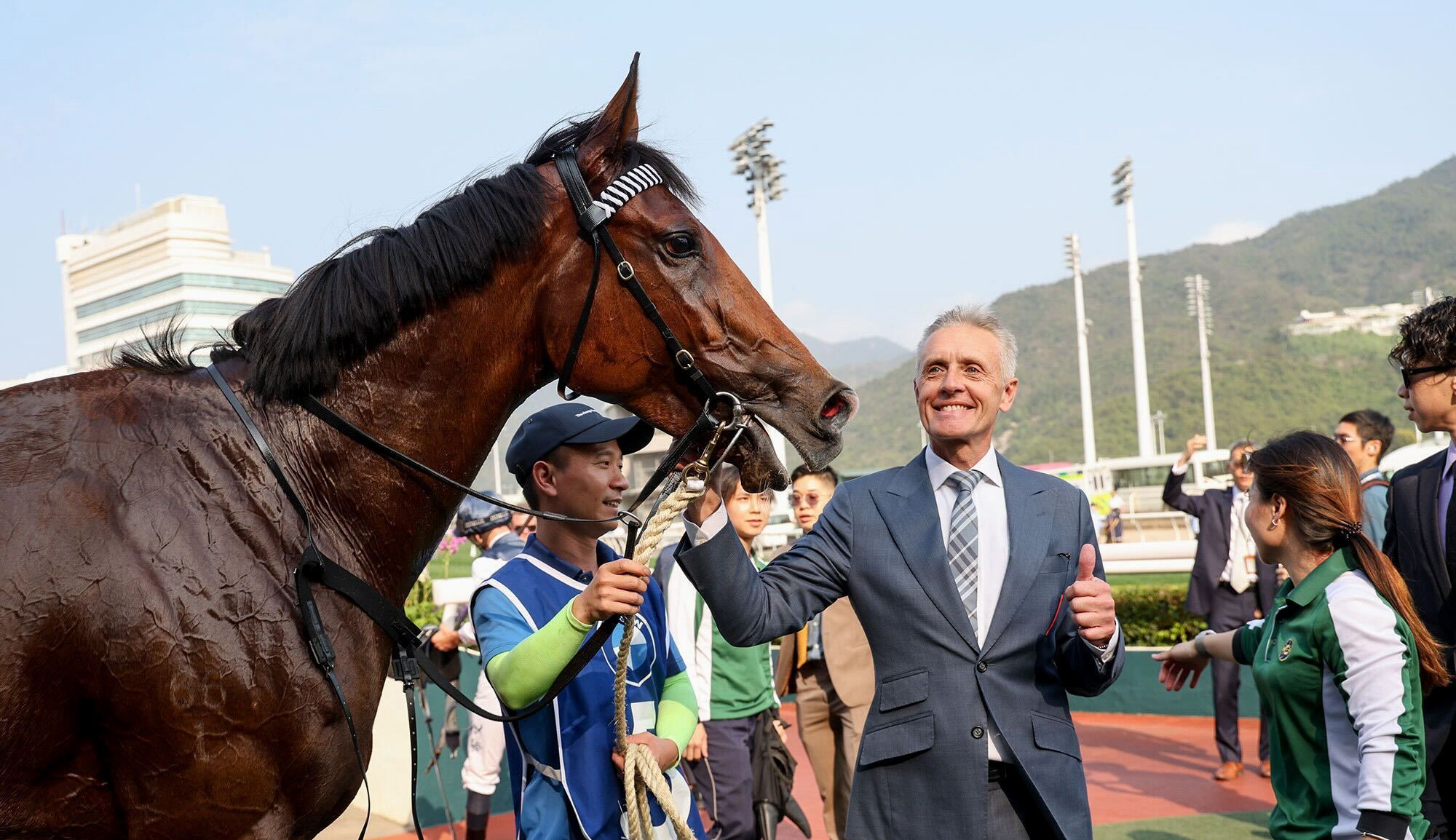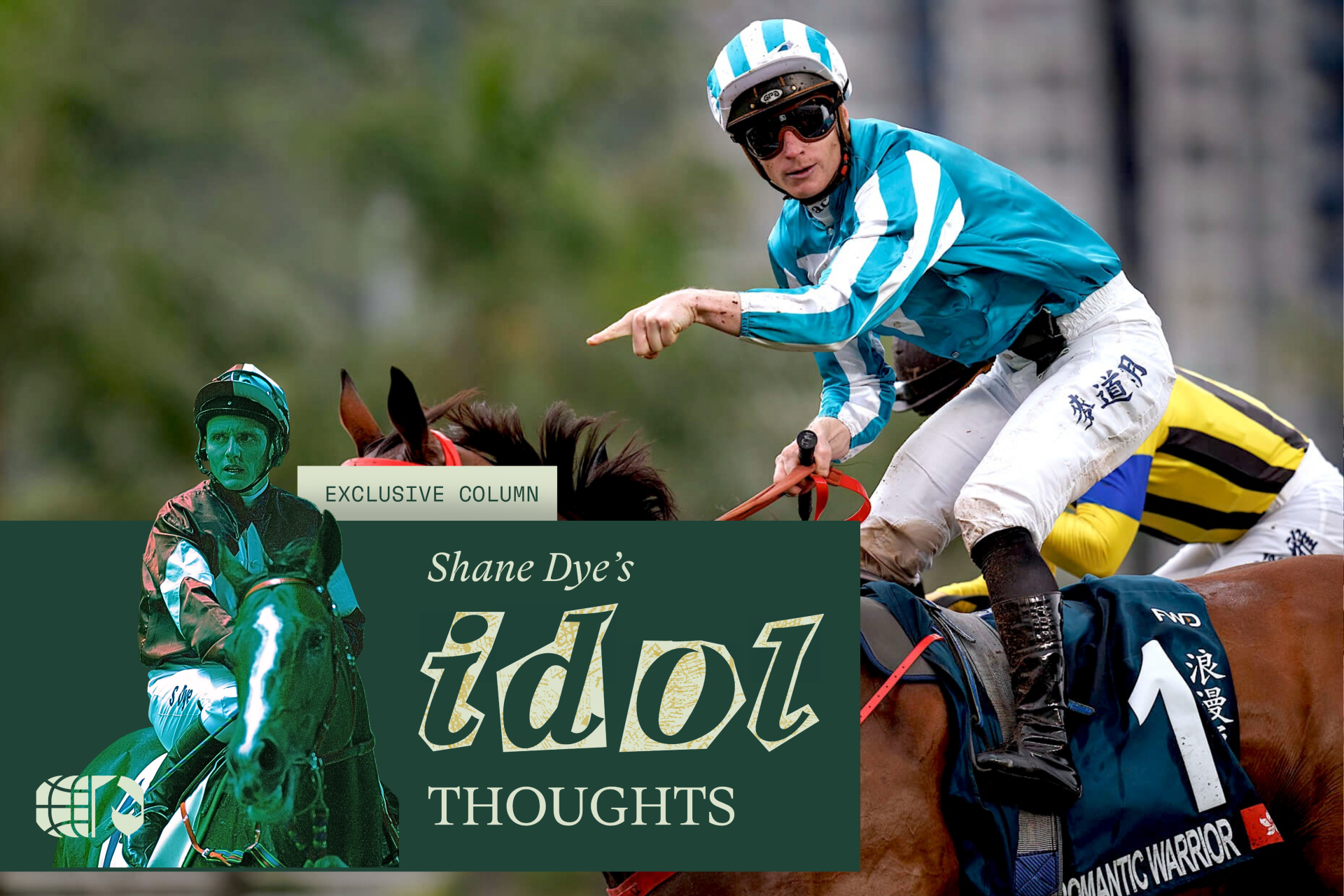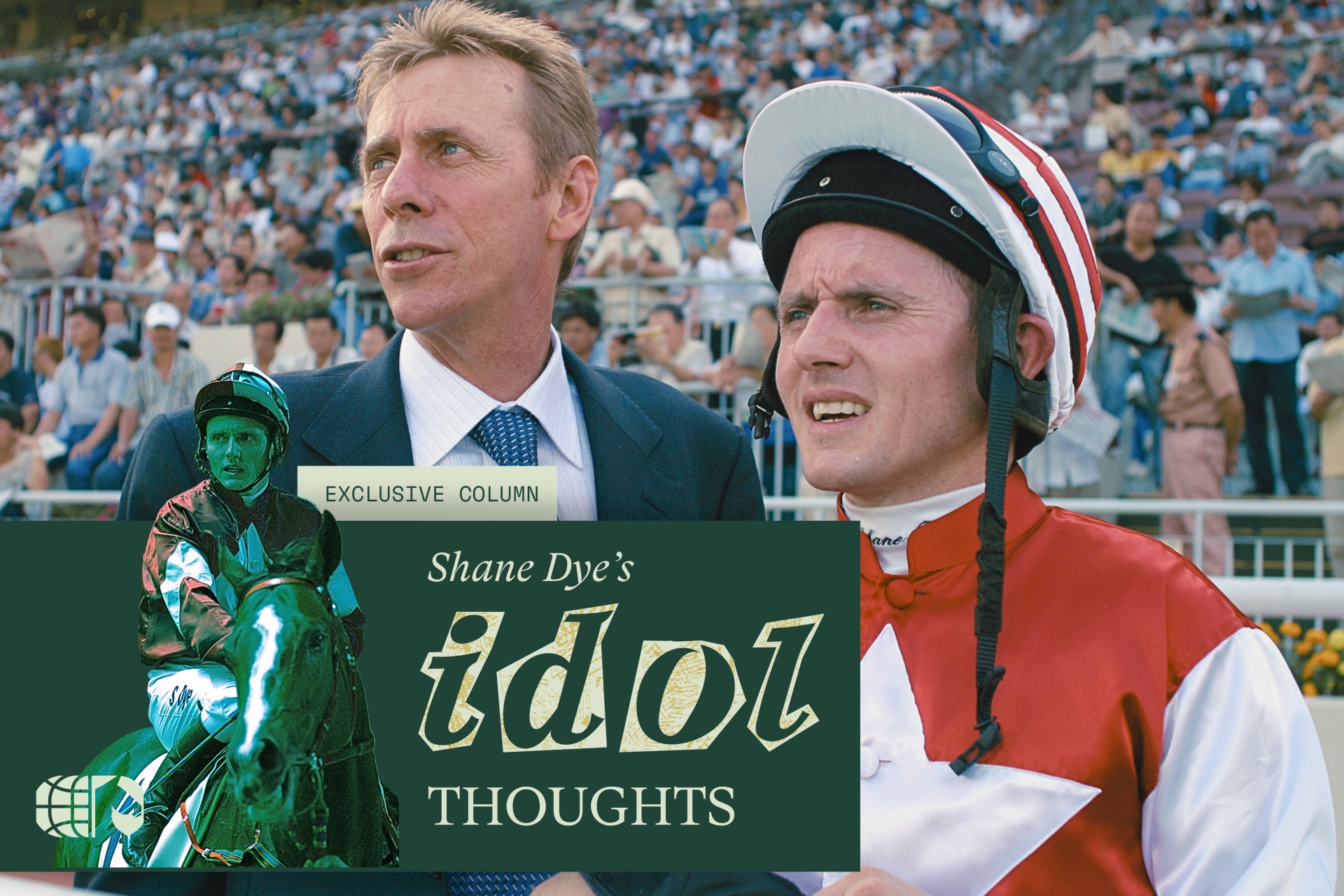
It was 24 years ago, in the week before the Hong Kong International Races, when I first started telling everybody just how good John Size was going to be. I was riding in Hong Kong and I was having dinner with some Aussies who were in town and they looked at me like I was mad. Size had barely trained a winner. He was more than 20 behind in the premiership. He’d only just arrived, had about a dozen ordinary horses in his yard and looked more like a farmer than a Hong Kong trainer.
But I’d seen enough. I wasn’t even riding for him yet, but I could see the way the horses he had taken on from other trainers were improving. They weren’t just turning the corner – week-to-week they were improving lengths at a time. I told the boys, “He could win the championship this year.” They laughed at me. But I’d never seen a trainer do what he was doing.
He didn’t just win that first season, he won the next two, and 13 in 23 seasons.
Now it’s his 24th season, and here we are again. Going into Sunday’s meeting, Size had six wins from 179 runners and was third-last in the championship. He was 17 behind the leader Mark Newnham and yet if the bookmakers framed a market, he’d still be close to favourite. Who else, anywhere in the world, could have that record a quarter of the way into the season and still be expected to storm home and win the title?
So what is the John Size secret?
People think it’s trackwork, but that’s the part everybody can see. Slow canters. No fast gallops. All his horses – sprinters or stayers – finish their work with the same 800 metres gallop, the last 600m in about 40 seconds. I don’t even watch his trackwork. It’s a waste of time for me because I know exactly what they’re going to do.
Most trainers tried to copy that part. They put ten horses away and tried to duplicate the program on the track. But that’s not where the magic is. The real John Size system happens back in the stables.
Size makes horses happy.
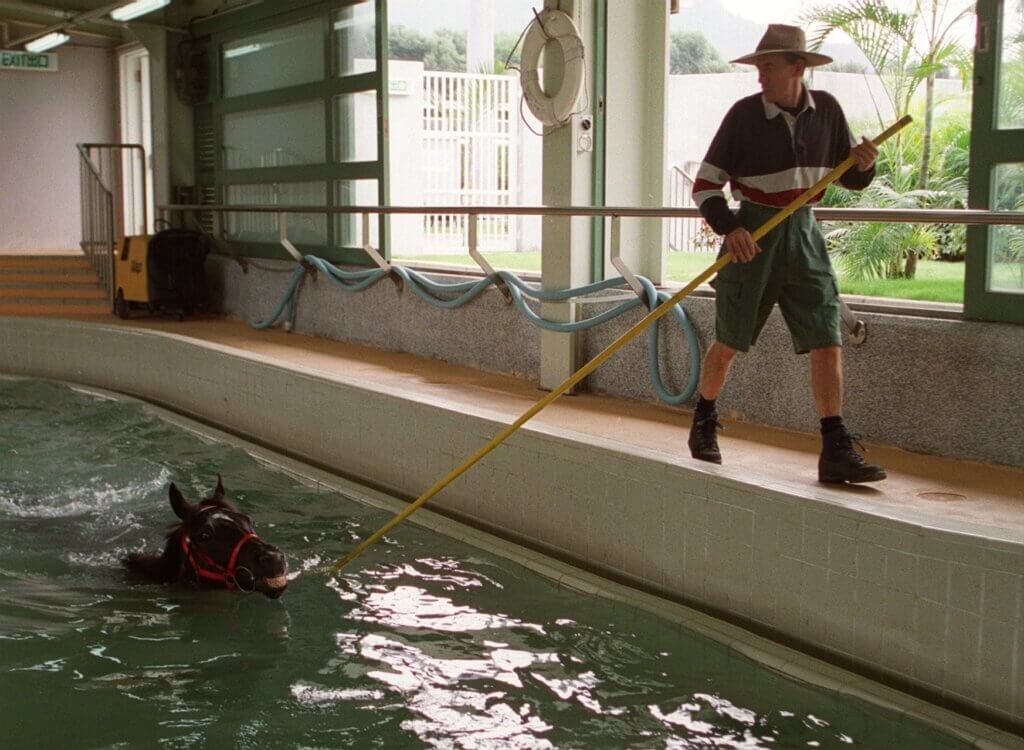
That’s the whole formula. Mental transformation. When a new horse walks into John’s yard, the blinkers come off. Tongue tie off. Cross-over noseband off. All gear off. They swim every day. They walk. They only get one feed a day, which was unheard of at the time. My first boss back in New Zealand, Dave O’Sullivan, was a genius but he fed four times per day. The Size approach seemed radical but it worked. And still works.
Hong Kong racing is the cleanest in the world. Nobody has an advantage. It is the most highly regulated jurisdiction in the world. Everything is transparent – vets are HKJC employees. Trackwork, trials are televised and recorded. So when horses started improving out of sight in Size’s first season, people whispered. But they were whispering because they didn’t understand the system. The improvement wasn’t chemical. It was psychological.
I rode for John for three years. He topped the premiership every season. His horses were always relaxed, never ridden aggressively. I had been number one jockey for Tommy Smith and Gai Waterhouse in Australia – they were great trainers, but their horses were trained to be ridden aggressively. John’s weren’t. If you ride them out of character, they don’t respond.
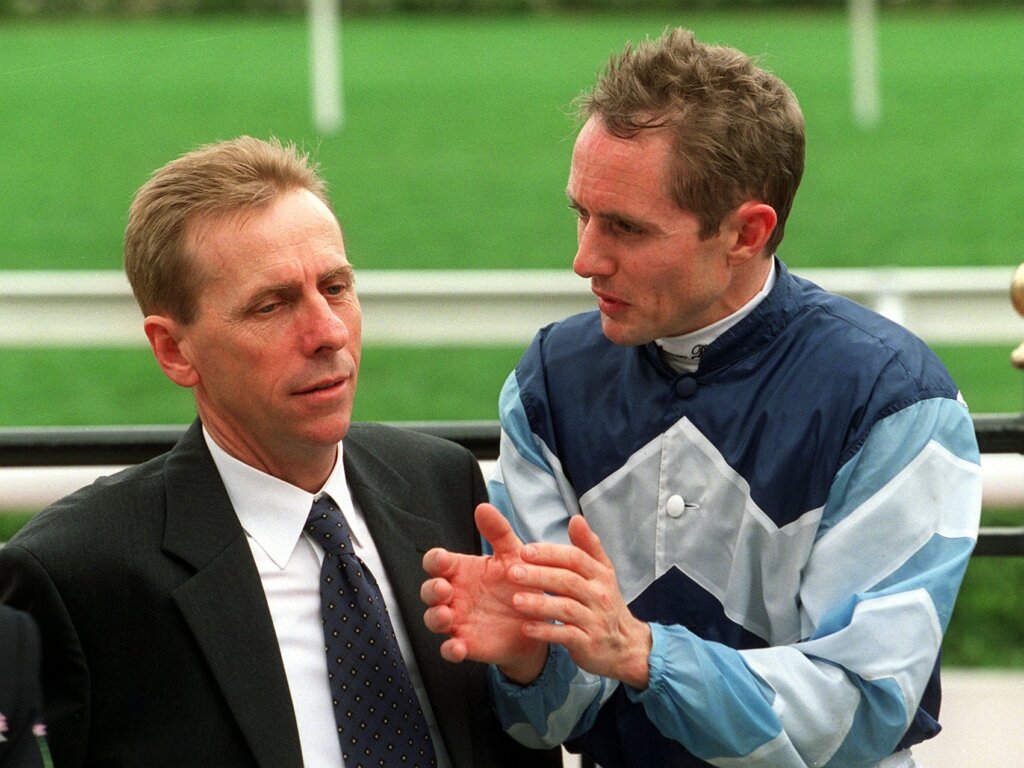
In that first season Size took horses from other trainers and did remarkable things. Some like Electronic Unicorn were famous, but for mine none showed how good he was more than Century Star.
He arrived in Size’s stable as a tried – and tired – horse. He’d had 25 starts across three seasons, no wins, and was beaten nearly 20 lengths at his last run when he’d bled from both nostrils. He looked finished. But within four months, he won four straight races with me aboard. Across the next season-and-a-bit he won eight races from his first 12 starts for Size, rising 59 rating points and earning a place in sprint races against the best in Hong Kong, including Silent Witness.
That’s what John Size did: he took horses everyone else had given up on and turned them into winners. Happy horses. Mentally right horses. That’s the secret nobody sees.
He doesn’t rely on cast-offs anymore – he has a yard full of his carefully selected prospects – but the slow start is still a trademark. So don’t be surprised if he does it again this season. This is the time of year he warms up. He had a double on Sunday and a 14th title in 25 seasons is still possible.
Should The Club Take Another Look at US-Based Jockeys
The field for Wednesday’s International Jockeys’ Championship is one of the best they’ve assembled. But the jockey I’d most love to see in Hong Kong – for the IJC or a short-term licence – is US-based Frenchman Flavien Prat.
Ask great jockeys around the world and you’ll hear the same thing: Prat could be the best there is right now. Gary Stevens, a great friend of mine, certainly thinks so. And Ryan Moore has huge respect for the top American riders too – including brothers Irad Ortiz Jr. and Jose Ortiz, who he rates extremely highly.
Some say American jockeys wouldn’t suit Hong Kong. Rubbish. Just look at Stevens, who rode here with outstanding success. He had 20 winners from just 89 rides at 22 percent over three months in 1994/95.
Hong Kong thrives on diversity of styles. The best riders in the world should be welcomed, and right now some of the world’s best are in America. Maybe it is time the Jockey Club had another look stateside, but particularly at Prat. ∎