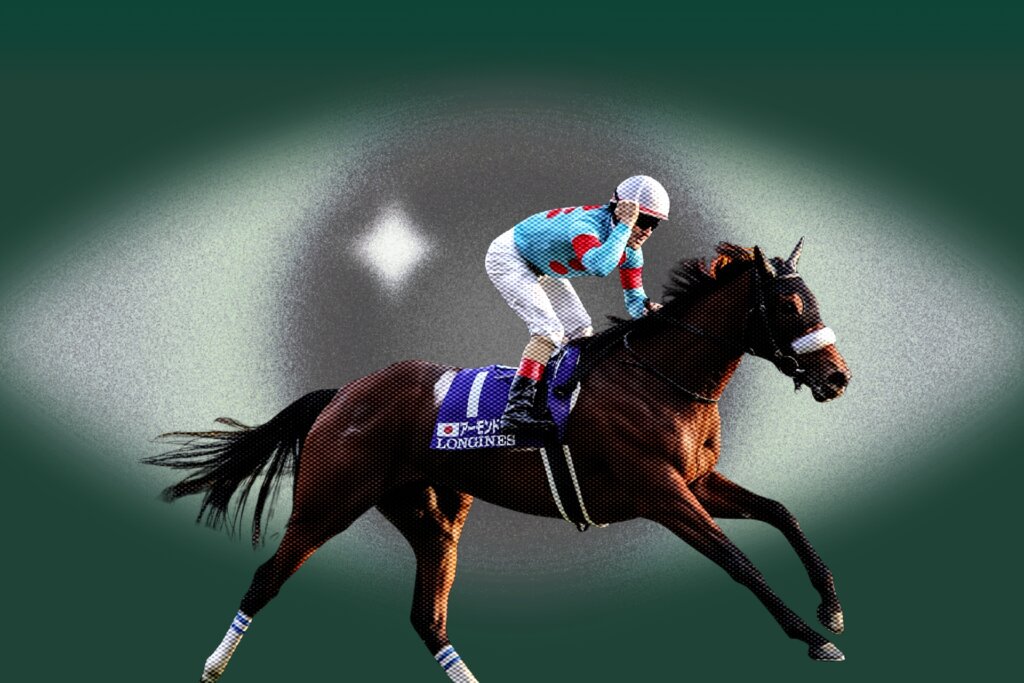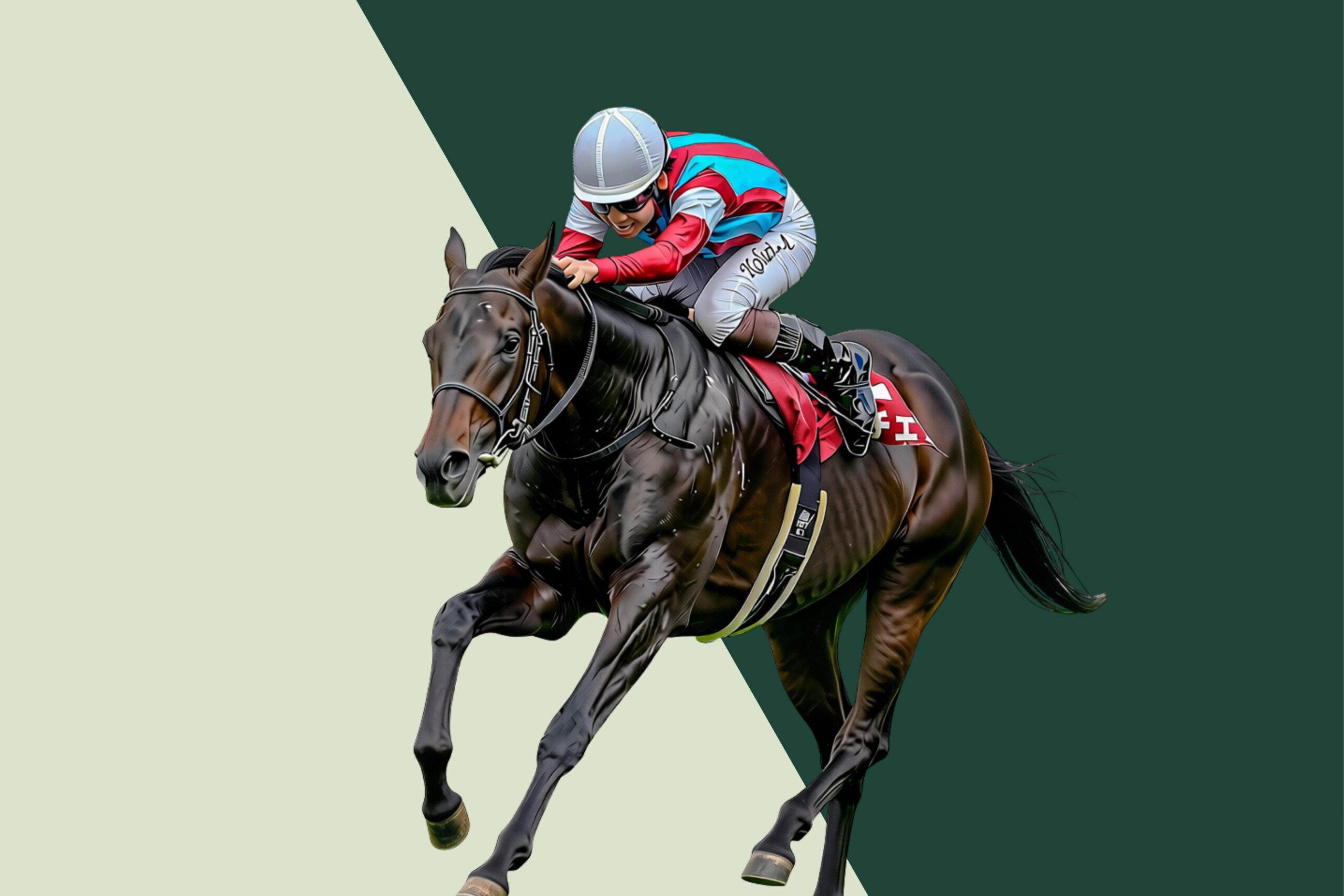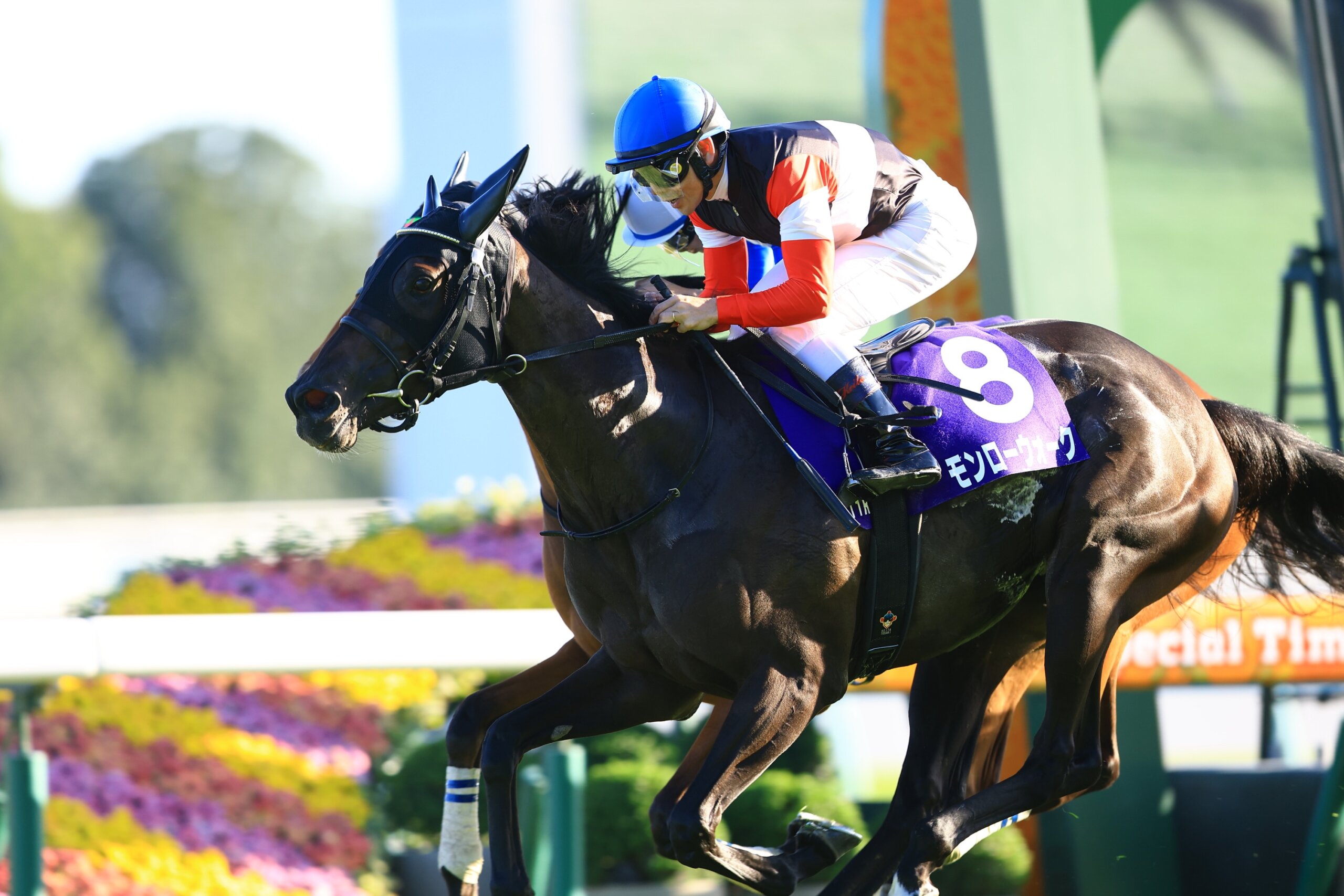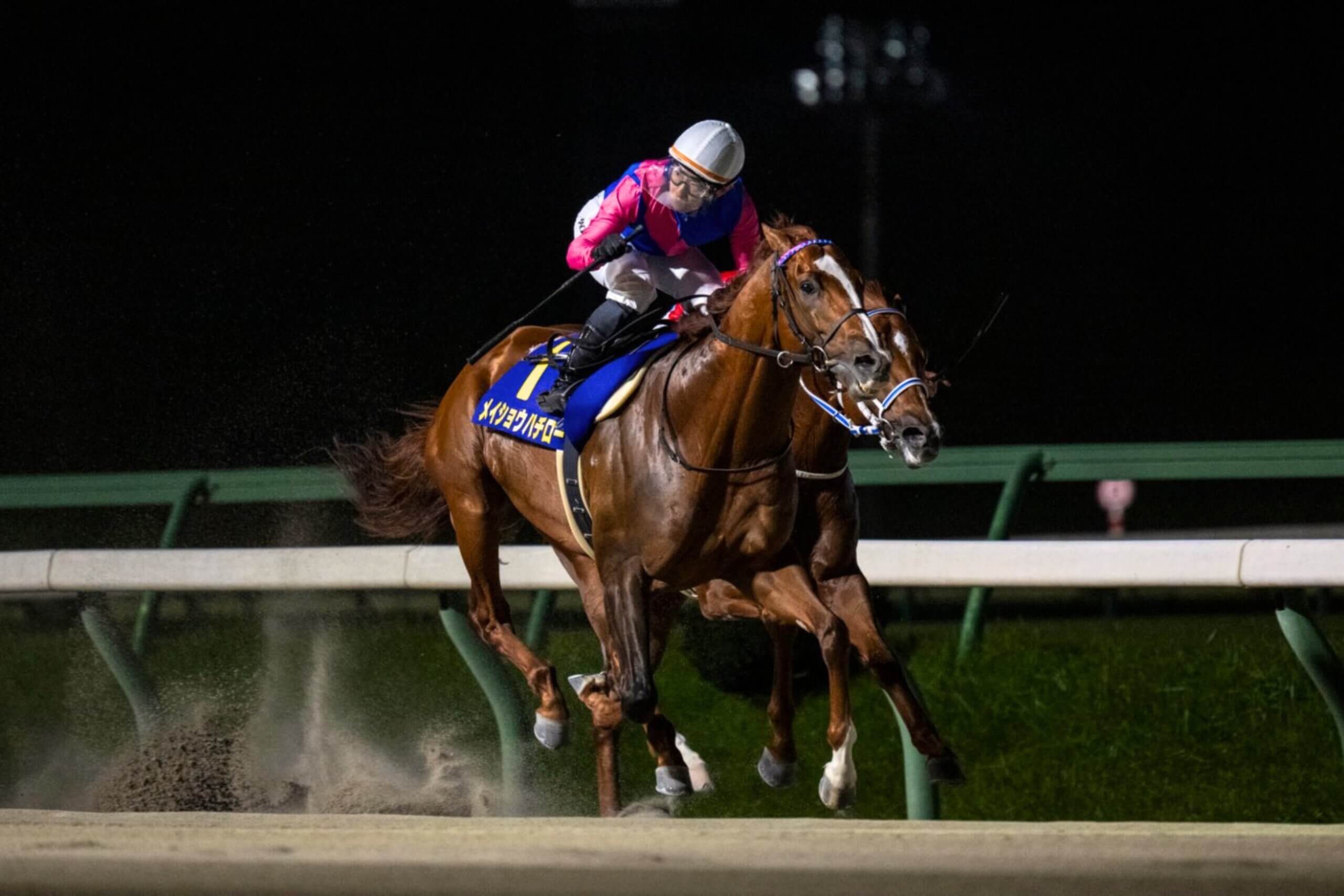
After 3200 metres, Japan’s premier staying test came down to two centimetres.
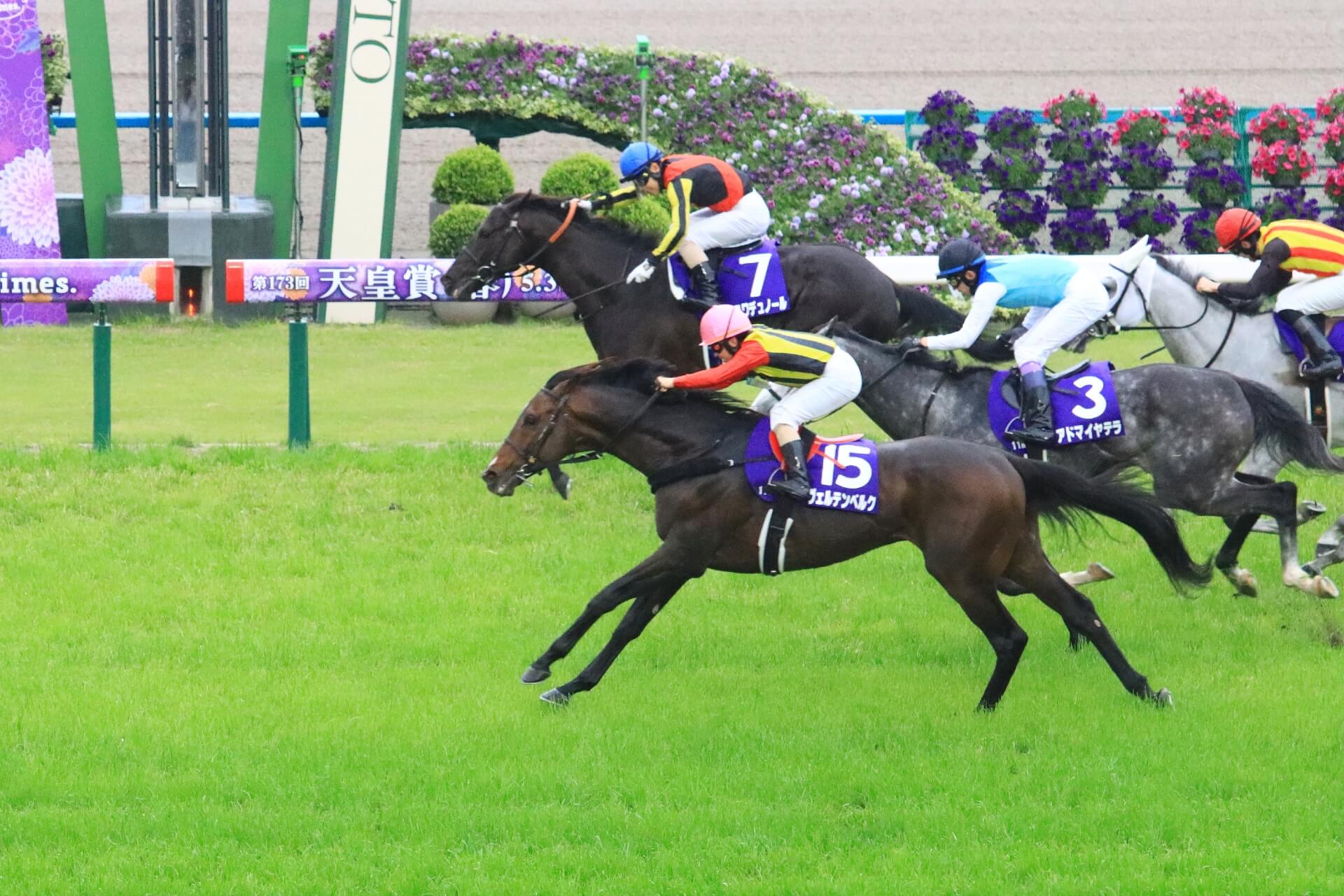
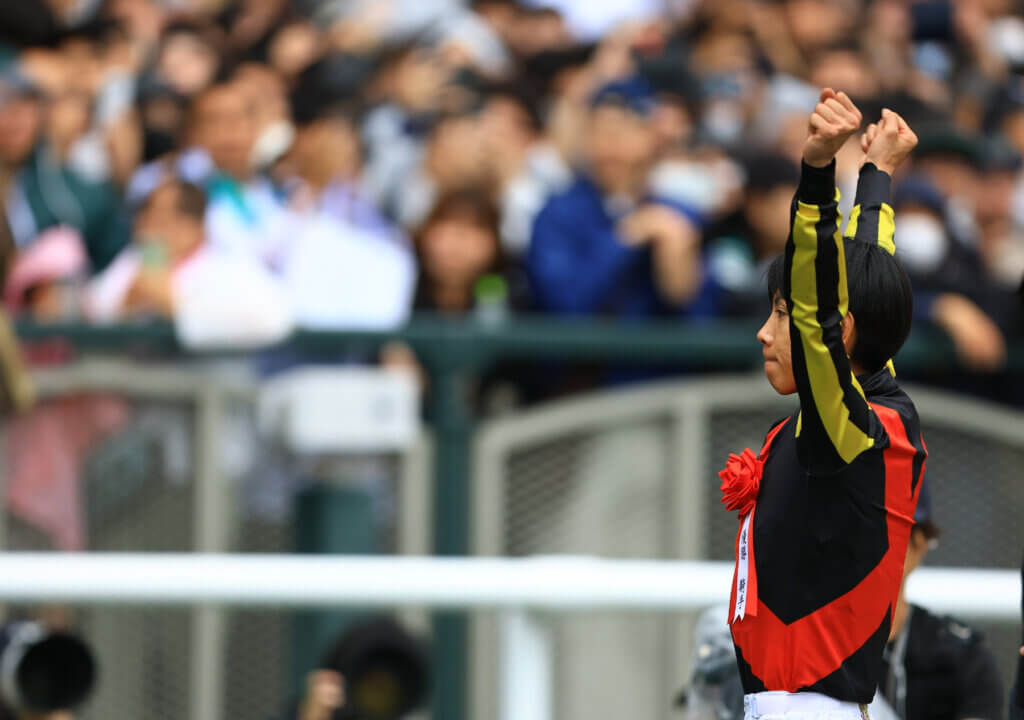
Croix du Nord, the reigning Japanese Derby winner and heavy favourite, appeared to have done enough when he struck the front early in the Kyoto stretch in Sunday’s G1 Tenno Sho (Spring). But Wurttemberg, another son of Kitasan Black, launched a sweeping run from last down the outside, leaving even winning jockey Yuichi Kitamura unsure who had prevailed.
After a lengthy wait for the photo, Croix du Nord had survived by a nose – a margin reported by a JRA representative as just two centimetres – to claim his fourth Group 1 title and become the first Derby winner since Meisho Samson in 2007 to win the Tenno Sho (Spring).
For Kitamura, the first emotion was not celebration, but relief.
“I really didn’t know whether we had won or not,” Kitamura said. “I thought there was a possibility we might have lost. It came down to the timing of the bob of the heads, so I think there was an element of luck as well.”
Trainer Takashi Saito felt the same uncertainty.
“It was such a close race that I thought we might have been overtaken, so I am very glad we won,” Saito said.
The margin was a story in itself. The pedigree angle made it more remarkable. Croix du Nord and Wurttemberg are both by Kitasan Black, the modern Japanese great who won this race in 2016 and 2017. In 2017, Kitasan Black completed the Osaka Hai-Tenno Sho spring double. Croix du Nord has now matched that sequence, having won the G1 Osaka Hai four weeks earlier.
There was another historical thread. Croix du Nord’s dam, Rising Cross, was the only foreign-based horse entered for the 2007 Tenno Sho (Spring), though she did not travel to Japan. Nineteen years later, her son won the race she was once entered for but never contested.
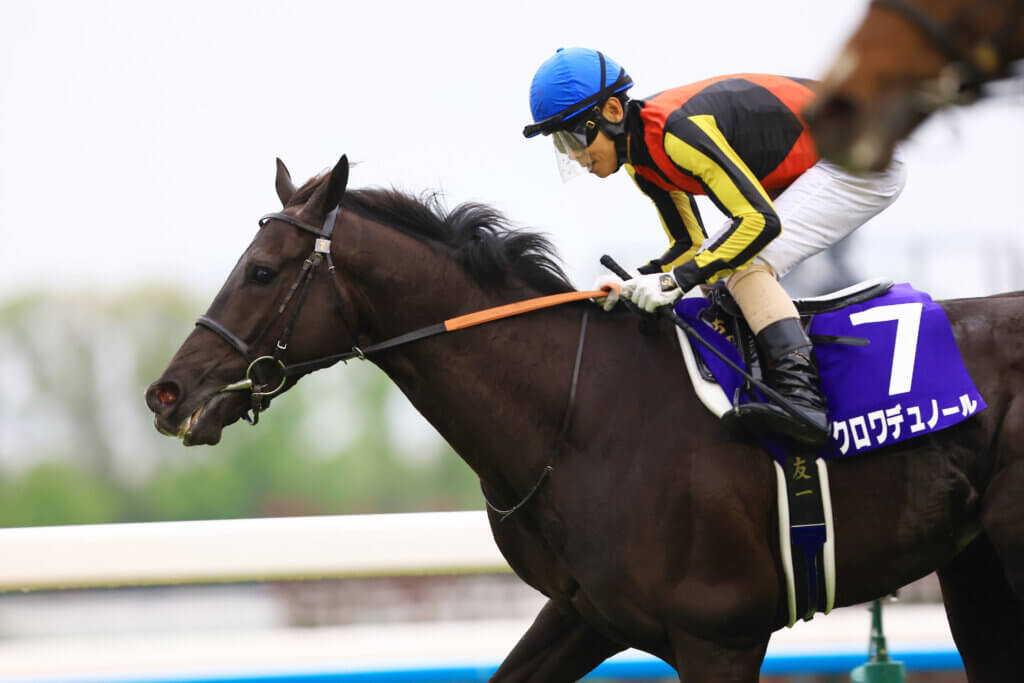
Until Sunday, Croix du Nord had been known primarily as a brilliant middle-distance and classic performer: winner of the 2024 G1 Hopeful Stakes over 2000 metres, the 2025 Tokyo Yushun over 2400 metres and this year’s Osaka Hai over 2000 metres. The Tenno Sho was his first attempt at 3200 metres, and neither his jockey nor trainer pretended the distance was an obvious fit.
“Honestly, I didn’t think 3200 metres was his best distance at all,” Kitamura said. “Since he was able to win despite that, I hope his versatility continues to expand.”
Kitamura admitted he had concerns before the race, particularly about how the colt would handle the long first circuit and the climb and descent at Kyoto.
“It was his first time at 3200 metres, and I honestly had concerns about whether he could properly navigate the ascent and descent of the hill on the first lap,” he said.
His plan was to give Croix du Nord cover and help him settle. The first part worked. The relaxation did not fully follow.
“I definitely wanted to keep a wall of horses in front of us,” Kitamura said. “I managed to position him that way, but he didn’t relax as much as I hoped, and it felt like he was running with a bit too much tension.”
Croix du Nord broke smoothly and settled in about sixth as Mystery Way opened a clear lead through the first 1000 metres in 59.9 seconds. Wurttemberg, sent off at odds of 208.4-1, was at the opposite end of the field, detached in last for much of the journey.
On the second circuit, the race began to change. Sunrise Soleil moved up to pressure Mystery Way, while Croix du Nord crept closer into the third and fourth turns. Kitamura trusted the colt’s power and committed early enough that, for a moment, the race looked over.
Croix du Nord swept past the leaders soon after straightening and opened what appeared to be a decisive advantage. Admire Terra and Aqua Vernal tried to give chase, but the danger came from much farther back. Wurttemberg, widest of all, was suddenly eating into the margin with every stride.
At the wire, the two sons of Kitasan Black flashed past together.
Kitamura said Croix du Nord was tiring late rather than idling in front.
“It felt more like Croix’s own legs were tiring at the very end,” he said. “I was just hoping he would persevere until the finish.”
That he did, just barely.
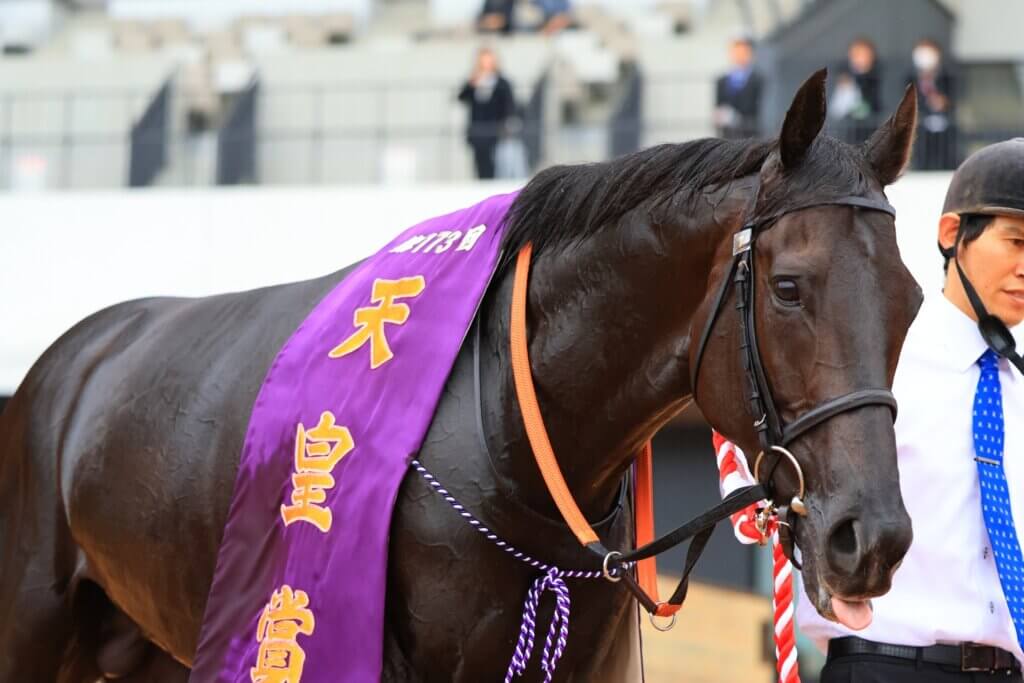
For Saito, the preparation itself had been a new challenge. Croix du Nord had stayed at the stable after the Osaka Hai, and the trainer had to balance recovery, freshness and stamina for a race 1200 metres longer than his previous start.
“Because it was his first 3200-metre race in Japan and he remained at the stable after the Osaka Hai, I prepared him while paying close attention to his recovery from fatigue and his mental state,” Saito said. “I believe the training process itself went quite smoothly.”
Still, Saito saw room for improvement. He said the colt became a little tense around the first third and fourth turns, something he described as wasteful over such a distance.
Croix du Nord passed the staying test, but neither his trainer nor jockey suggested 3,200 metres had suddenly become his ideal trip. The point was simpler: a Derby winner with speed and class had been asked a new question, and he found just enough of an answer.
The next step remains undecided. Saito said he would wait until Croix du Nord returned to the stable and had his legs and overall condition checked before making plans.
“He has just finished a 3200-metre race, so I will decide what to do next after checking his condition,” he said. “For now, he seems to be okay, so I am relieved.” ∎