
There is no better place in the world for a jockey to ride than in Hong Kong. But it is completely different to anywhere else, and it presents challenges that every rider has to face – no matter how good they are.
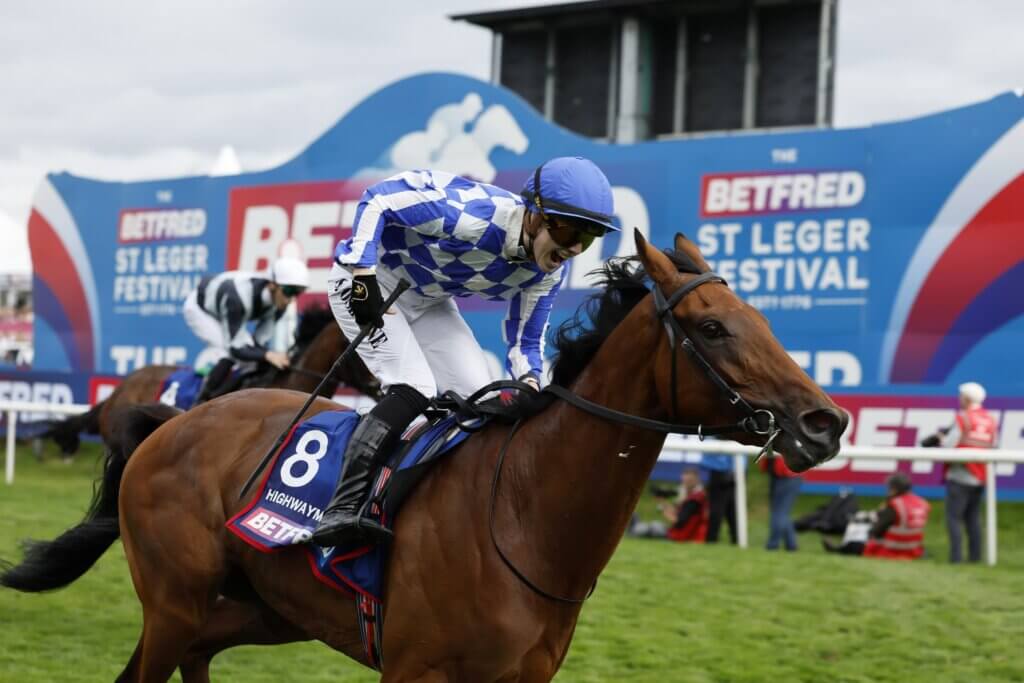
On Sunday, St Leger-winning jockey Saffie Osborne rides her first races in Hong Kong, and next month Rossa Ryan starts his first part-time stint. Like every foreign jockey who is invited to ride here, they are highly accomplished. But what you have done at home only gets you through the door, and once you are here, then you have to adjust.
It starts with how the races are run. People watch the finish, but so much of a race in Hong Kong is decided at the start. Jockeys get to their positions very quickly, in the first 100 or 200 metres of the race, and where you end up after settling can be the difference between winning and losing.
You also have to be aware that the pace is a lot faster early than it is in other jurisdictions. Happy Valley makes that even harder. From the 1650m start, which has a short run to the first turn, you have to be alert and on your game from the moment the gates open, and you have to know exactly what you want to do. The 1200m starting gates are also not far from the bend, so there is very little time to find a spot before the first turn.
In other places, it is more forgiving to be wide. In Hong Kong, you can’t afford to be three-wide or worse – three horses out from the inside rail, covering extra ground. As I explained in my three lessons for new jockeys column earlier this year, saving ground is the most important thing to do in a race in Hong Kong.
The reason is the ratings system. Every horse in Hong Kong has a rating, it races in a class against horses of a similar rating, and the handicapper gives each one a weight to carry so they all have an even chance. It works so well that the horses really are even. You can get 10 horses crossing the line within two lengths. That is why every metre matters, and why you can’t afford a mistake.
You only race twice a week, so you have time to do the form – and you should use it. Learn the colours of the silks in each race. Once the gates open, you want to know who the best chances are in the race, so you can follow them. So knowing the colours of each of the rivals is very important to winning the race.
Trackwork is very important too. When you arrive, you have to ride a lot of trackwork – both fast work and slow work – even on horses you aren’t going to ride in races. Then, when you have finished, stay at the track. Most of the foreign jockeys live on course, and it can be tempting to go straight home after your last gallop, but it pays to stick around. Go to the trainers’ stand, talk to the trainers and get to know them.

A new jockey does have one advantage. Jockeys in Hong Kong don’t have agents the way they do in Australia or Britain, but when you first arrive, it is the only time you will have a manager. The Jockey Club appoints an agent who can actually help you get rides. Once you become full-time, or a regular here, you don’t have that option. Even then, you can’t just rely on the agent. Talk to the trainers every morning and ask them if you can ride their horses in trackwork.
Away from the track, you are going to be asked out to dinners and lunches by different owners. Make sure you are in the right company. It’s always good practice to go with a trainer, or an owner from the stable you ride for, because then you know you are keeping yourself safe. You don’t want to be involved with the wrong people. The prizemoney in Hong Kong is bigger than anywhere in the world, and a jockey gets 10 per cent of every win, so you need to be careful about who you spend your time with.
Then there is the mental side of riding in Hong Kong, and a lot of jockeys can’t handle it. It often starts with a jockey thinking they are better than they really are. They have been successful in their own country, so they arrive feeling entitled to winners. But there is no advantage in Hong Kong for any new jockey. Everyone has to prove themselves again.
The racing schedule makes it harder. Because there are only two meetings a week, compared to the day-in, day-out racing in other places, a run of losing rides can stretch out for weeks, and that can be difficult to come to terms with. There are usually only one or two jockeys on the whole roster who average more than a winner a meeting for the season. For a jockey who is used to being dominant at home, that takes some getting used to.
Good jockeys struggle to win on bad horses – and when you first come to Hong Kong, you are a good jockey riding bad horses. The good rides have already gone to the established jockeys. You are usually on the unfancied ones, horses that may be out of form or not good enough for the rating they are on. Riding those horses requires a different mentality. You can’t expect the horse to carry you. You have to help your horse.
There is no greater place in the world to be riding winners – but there is no worse place to be when things aren’t going well.
If things don’t go your way in Hong Kong in terms of wins, don’t let it get you down – you aren’t alone. Lots of very good jockeys have left humbled. But take this with you: they always return home a better rider for the experience. ∎