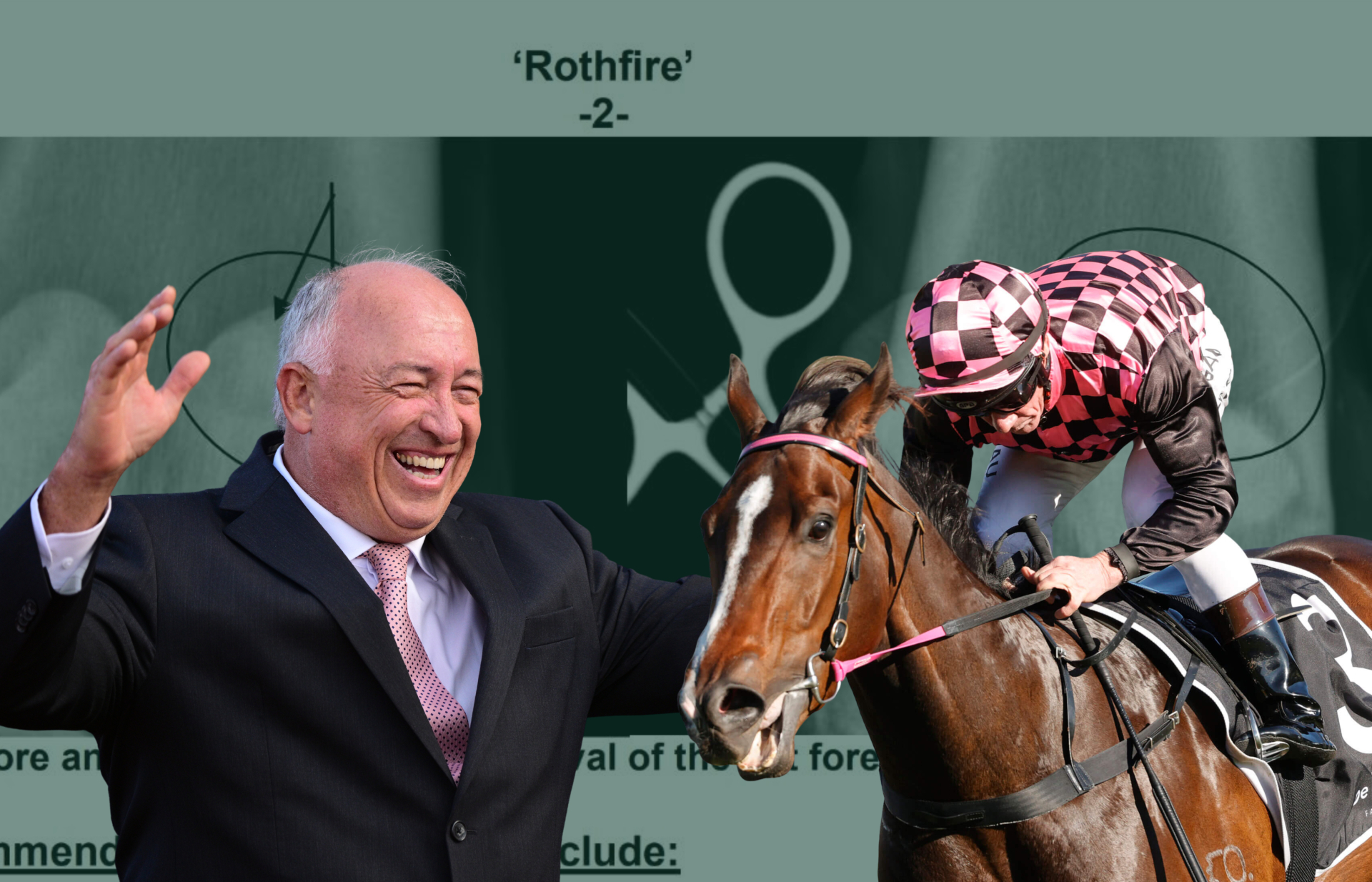
Rothfire And The Little Jar That Holds A Racing Miracle
Robert Heathcote keeps Rothfire’s shattered bones on his desk. Six years after injury almost ended his life, Queensland’s cult hero is still defying racing’s cruelest odds.
Rothfire And The Little Jar That Holds A Racing Miracle

Robert Heathcote keeps Rothfire’s shattered bones on his desk. Six years after injury almost ended his life, Queensland’s cult hero is still defying racing’s cruelest odds.
28 May, 2026Robert Heathcote is a fantastic horse trainer who has an obsession with a little clear plastic jar and its yellow lid.
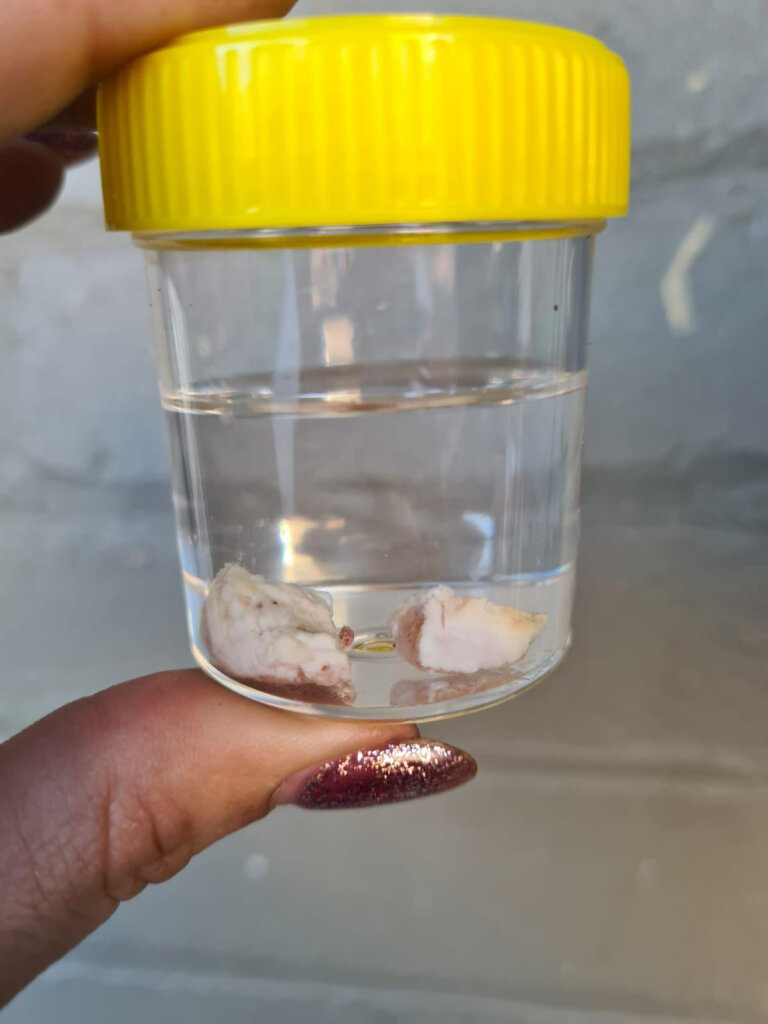
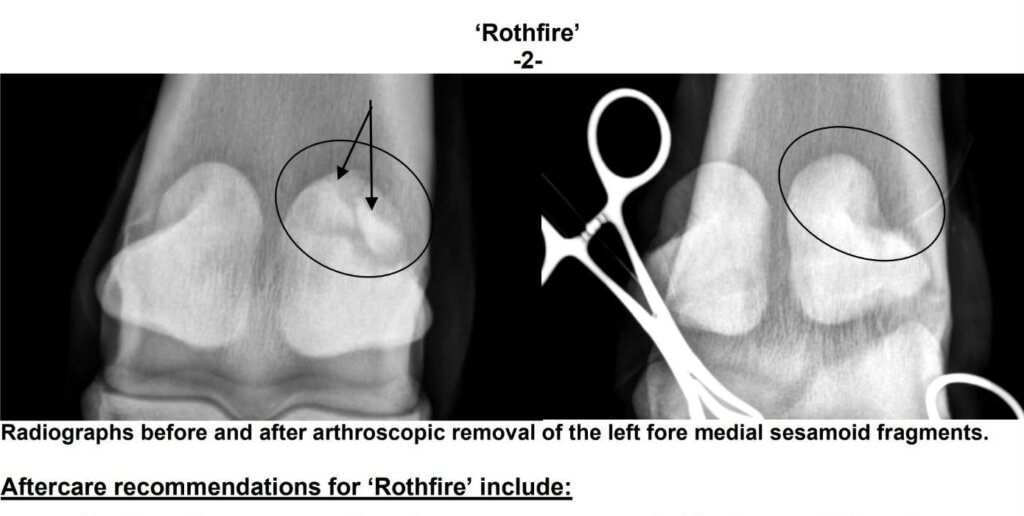
It looks like the type you’d use to take a urine test. It’s different to the trophies and photos and sashes and racing calendars which populate any normal trainer’s office. Heathcote fills his cup looking at two tiny bones, drowned in methylated spirits.
“About the size of a woman’s fingernail,” Heathcote says of the fragments. “I look at them pretty regularly. They have become quite an interesting topic of conversation.”
Who do they belong to? Where did you get them? Can they really be preserved for that long? Why the hell do you keep them there?
Heathcote answers them all, happily.
In the last couple of weeks, Heathcote has caught himself glancing at the little clear jar a lot more than usual because the horse whose bone fragments sit on his desk created one of the most remarkable stories in Australian racing – winning his second Group 1 as an eight-year-old, six years after his first.
Back when Rothfire began his race career as a two-year-old in 2019, the COVID pandemic wasn’t a thing. Donald Trump was still in his first term as United States president. Hong Kong’s pro-democracy movement triggered widespread protests on the streets. The Notre Dame cathedral was burning down. And the world somehow fell in love with the maniacal Baby Shark song.
The following year, Rothfire won the Group 1 JJ Atkins in Heathcote’s home state of Queensland, prompting many Australian pundits to nominate him as the country’s next great sprinter. It didn’t necessarily work out that way, which is why Heathcote’s little jar sits there to remind him how fickle horse racing can be.
You can’t tell the Rothfire story – from African scammers, jockey sackings and a part-owner who created history as an Australian actress and fixture on television screens despite a car crash leaving her in a wheelchair – without telling the story of the Group 1 Golden Rose in 2021.
The race is the signature three-year-old contest of the Sydney spring carnival. If a colt wins, it’s a licence to print money. But Rothfire was a spindly gelding bought sight unseen for $10,000 who had quickly emerged as the dominant force of his generation. He started the Golden Rose as a $1.55 favourite, and as $1.55 favourites should, had a break on the field at the furlong pole.
Australia had some of the harshest stay-at-home restrictions in the world during the darkest days of the pandemic. As the country raced to vaccinate as many people as possible, it required interstate travellers to quarantine in a hotel for two weeks before entering the community. Now retired Brisbane-based jockey Jim Byrne volunteered to do it so he could keep the ride on Rothfire.
The week leading up to the race, Heathcote says, was spent speaking to Byrne about ensuring Rothfire didn’t lead.
He led.
And it looked like it would be fine until, in the run to the line, Rothfire took an awkward stride and shifted abruptly to his outside. He was swamped by the backmarkers and, clearly injured, finished just outside the placings, in an effort his trainer said showed “extraordinary courage”. Byrne would never ride regularly for Heathcote again.
The vets realised quickly after the race there was an issue with Rothfire. He was scanned and the images sent to Heathcote, who remained in Queensland.
“I thought we’ll have to euthanise this horse in the morning,” Heathcote says. “I was so livid with rage. I went to bed that night at probably the lowest point of my career.
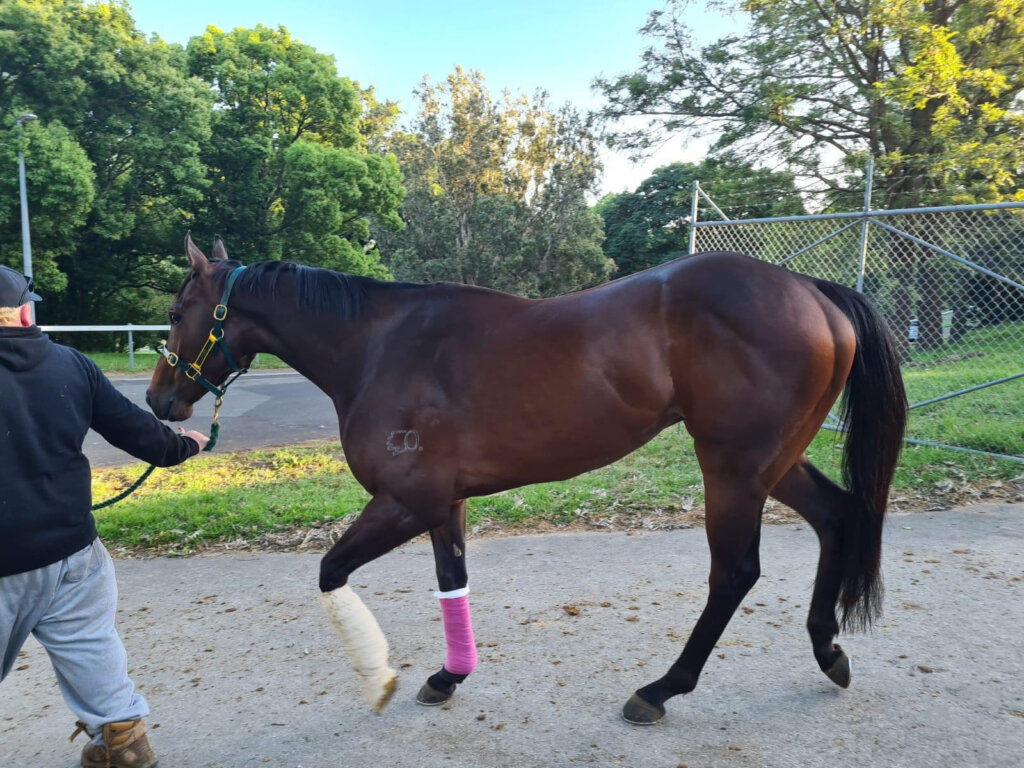
“He fractured his sesamoid, which is a bone at the back of the fetlock, and where he fractured it, if it had been three millimetres either way left or right, they probably would have to euthanise him.
“It’s a miracle he stayed alive.”
Vets were able to save Rothfire the next day. But as any trainer will tell you, the chances of Rothfire ever racing again were going to be debatable, and if he did, there was almost a guarantee he would never quite be the same horse again.
“But this horse has got a heart of a lion,” Heathcote says.
Heathcote didn’t bother trying to figure out how big a heart “Rothy” had when he bought him. He didn’t even look at him at all. It might not be a bad thing because in the billion-dollar breeding and sales game, sceptics will still tell you it’s a bit like lotto on legs. You might win some, you will lose a lot more.
How do you really know what you’re breeding or buying?
Heathcote was told about the horse, which was bred in the outback Queensland town of Chinchilla (Rothfire has since been dubbed the “Thrilla from Chinchilla”). He agreed to buy him for A$10,000 sight unseen and sent him to Washpool Lodge, who were unsure of what Heathcote’s plan was.
“What do you want me to do with this horse?”
“Geld him.”
“What? Now?”
“Yep, geld him and once you break him in, tell me what you think.”
At the same time, Heathcote was trying to finalise payment for the horse. But hackers managed to compromise an invoice he was sent and changed the bank account details for the money to be deposited in. Heathcote wired A$10,000 to, what he thought, was the seller.
“And of course I paid the $10,000 plus GST and the bloke called me three weeks later and said, ‘I still haven’t got that money’,” Heathcote laughs. “It went to bloody Ghana. The money was cleared out and gone before you could say boo. I got scammed and I had to pay it twice.
“The fact he’s now won A$6 million, I’ve let that one go through to the keeper.”
Heathcote managed to sell 20 per cent of Rothfire to stable clients, but the majority ownership of the horse sat idle for six months despite repeated efforts to advertise him on his website. One day, he received a phone call from a person representing mum-and-dad prospective owners who wanted to take the rest. Heathcote kept 20 per cent for himself.
After the turmoil of the Golden Rose, which robbed Rothfire of a spot in The Everest, the world’s richest turf race, Rothfire started his long and slow rehabilitation with a view to returning to the track.
It was almost a year to the day when he had his next start, and then another year before he would return to the winner’s circle when he won the McEwen Stakes at Moonee Valley. Every calendar year since, Rothfire has won at least one race and has developed an affinity with Australian fans, so conditioned to seeing good colts shipped off to stud prematurely.
If the Rothfire story was unique, it might only be matched by his trainer, who spent a large part of his adult life trekking around Europe on buses as a tour guide.
“I knew bugger all about horses when I first started,” Heathcote says. “I didn’t work for another trainer. I didn’t know which end the feed went in and the crap came out.”
Heathcote says this with an unmistakable Australian twang and magnetic personality to match. He learnt to speak French and German during 15 years on the road throughout Europe, where he prioritised everyone on his tours more than himself.
Life as a constant blur of borders, restaurant bookings and finding enough hotel beds can, understandably, take its toll. Heathcote was jaded from the tours and started working for his older brother Wayne, who was an international art dealer based in Europe with an expensive habit of owning and punting on racehorses. Wayne also owned horses with the Freedman brothers at the height of the FBI days as well as Bob Thomsen in Sydney.
“The two years I spent with Wayne were magical,” Heathcote says. “He used to finance bookmakers all over England. He was the greatest individual influence on my life.”
Heathcote quickly became immersed in the racing game and, eventually, would take out his licence to become a trainer once back in Australia. He was ahead of the curve in a lot of ways because, thanks to his days as a tour guide, he knew how important communicating with owners would be.
His best horse has been Buffering, a cult sprinter who was formerly known as the (very good) punching bag for super sprinters Black Caviar, who finished her career unbeaten from 25 starts, and Hay List. Buffering was placed 10 times from 17 tries at Group 1 level before winning one. But once Black Caviar and Hay List disappeared off the scene, Buffering dominated.
It ultimately led Heathcote to pursue one of his great loves: travel. Heathcote campaigned Buffering in Dubai and won the 2016 Al Quoz Sprint representing Australia, his seventh and final Group 1 win.
Heathcote stands a little taller when he recoils the statistic of Buffering competing in 35 Group 1 races throughout his career, believed to be the most of any other horse in modern Australasian racing history. There’s only three times he reckons he shouldn’t have raced Buffering, and he’s applied renewed caution to Rothfire.
But did he fret about Black Caviar, Hay List, Chautauqua and co when Buffering was always the bridesmaid?
“I can roll them off the tongue because I had nightmares about them,” Heathcote chuckles. “But I’ve only ever had one other horse with a better or more beautiful nature than Rothfire – and that was Buffering.
“Rothfire is an inch behind him in that aspect. He’s an absolute gentleman.”
It’s a minor miracle Buffering didn’t win the Doomben 10,000 during his career, despite contesting the sprint four times. He finished second and third twice.
But before Rothfire’s stunning upset win, one of Heathcote’s close friends told him he was having $500 each-way on Rothfire at $71. The stable thought the horse was over the odds and going well.
Heathcote’s mate did it because he thought it was fate. Wayne had passed away in the UK just before the race after a battle with ill health. He was 83.
“He said, ‘racing throws up a story. You lost your brother and now you can win a Group 1’,” Heathcote says. “I just wanted to watch it quietly on my own. But I tell you what, the roof lifted off the joint.
“For me, it’s the most excited I’ve been on a racetrack.”
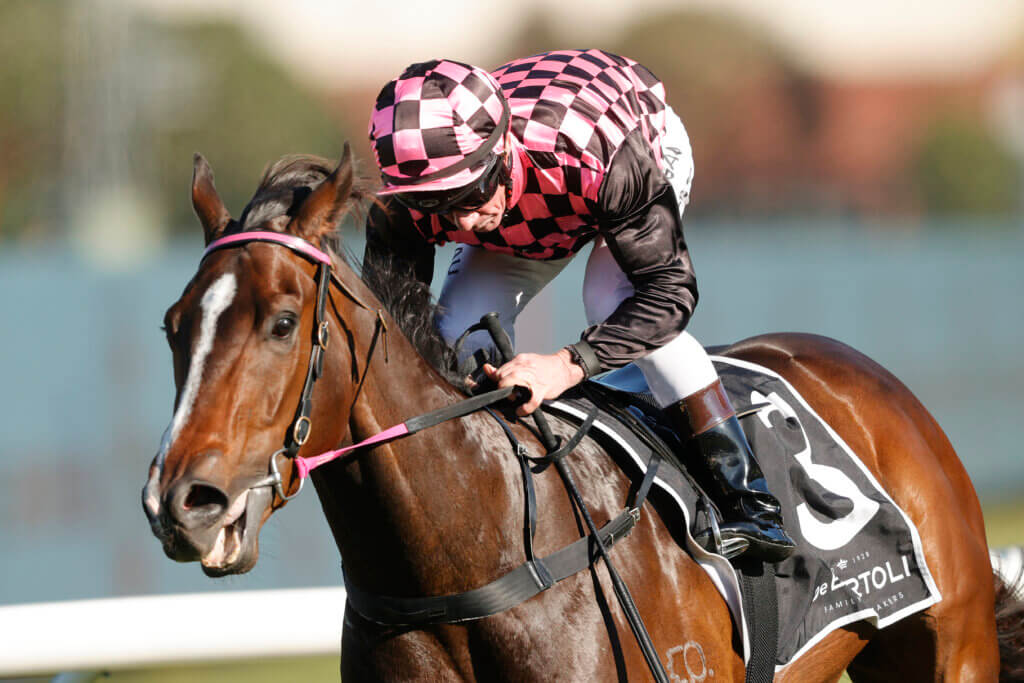
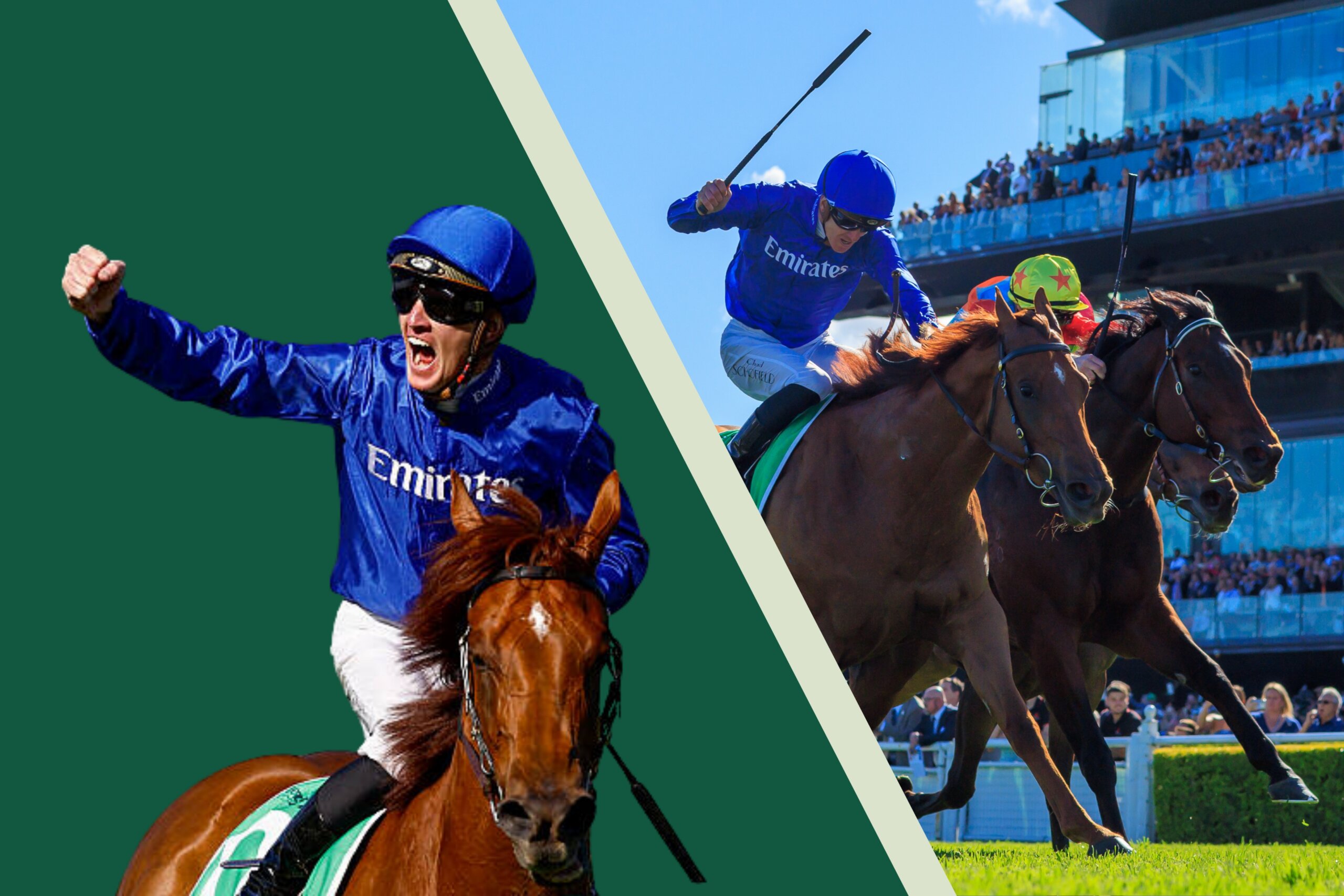
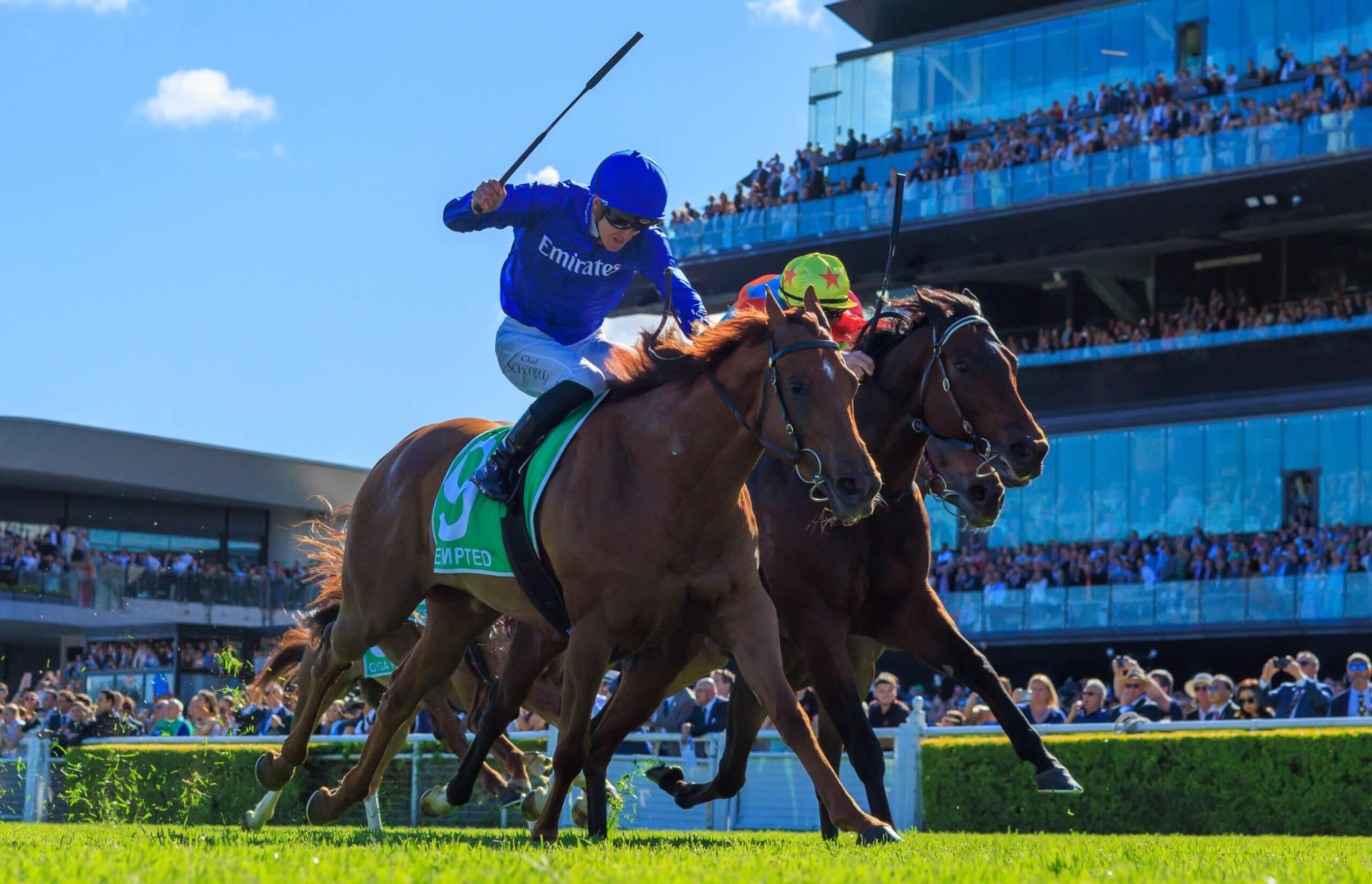
Louise Yates wheeled herself into the mounting yard as Brad Rawiller, who hadn’t ridden a Group 1 winner for years as he struggled with injuries, brought Rothfire back to scale after the Doomben 10,000 win.
Jubilant, she had to speak to Rawiller.
“How good is that? There’s you with all your injuries, there’s Rothfire with all his injuries and there’s me with mine. We did it!”
Yates has always been part of the Rothfire story, a horse lover later in life and owner at the insistence of her son, Vivian, who initially bought into another thoroughbred with school mates and urged his parents to come along for the ride.
Yates was told she would never have kids, the result of a horrific car crash in country NSW when she was just 15. A car she was travelling in with her family slammed head on into another vehicle. Tragically, a passenger in the other car died.
Louise had been sitting in the front seat of the family car, but only minutes earlier swapped with her sister to sit in the middle of the back seat.
The collision was so forceful her father, who was driving, fractured all the bones in his face, smashed his kneecaps and lost sight in one eye. Louise broke seven vertebrae and severed her spinal cord, leaving her a paraplegic.
Her sister in the front seat walked away with a cut on her head and 10 stitches.
Louise still lives by the mantra: how lucky are we?
At the time of the accident, she had just convinced her parents to leave school and pursue an acting career. She had a starring role in Bellbird, an Australian Broadcasting Corporation hit show in the early 1970s.
After the crash, television executives said she would never be on Australian small screens again. She even read a quote to that effect from a producer of the show, who said she should consider a career in radio. It seemed certain she would be written out of the script.
But she persisted, eventually returned to Bellbird before going on to become the first permanent actor with a disability on Australian television.
“What was incredible was the ABC gave me an opportunity to come back and resume my role,” she says. “They gave me three months trial and I ended up staying with the show for a few years.
“Then I went into Cop Shop. I was written into the series for a short three-month stint and I ended up being in the show for four years – and nominated for a Logie as best supporting actress along the way.”
Yates has been more than just a supporter of Rothfire, who will embark on his 44th career start in the Group 1 Kingsford-Smith Cup at Eagle Farm on Saturday.
There won’t be a more popular horse on track, who has not only united Queensland racing fans, but he’s doing the same for those who have been along for the ride.
“I have to say he has really galvanised something within our family,” Yates says. “We have three boys and we all love the horses. It’s been a fantastic thing for our family and that spreads to how much love Queensland has for this horse. They share in that. They love to see him win like we do.
“We’ll go to the races sometimes and people will say, ‘I’m only here to see Rothy’. People love him. He mesmerises people with his guts, his determination, his heart. He captures the imagination.”
And the little plastic jar with a yellow lid also captures his trainer’s eye, every day.
How has a horse who lost that much bone managed to do what he’s done for so long? Just ask Heathcote, who will only be too happy to start the conversation. ∎