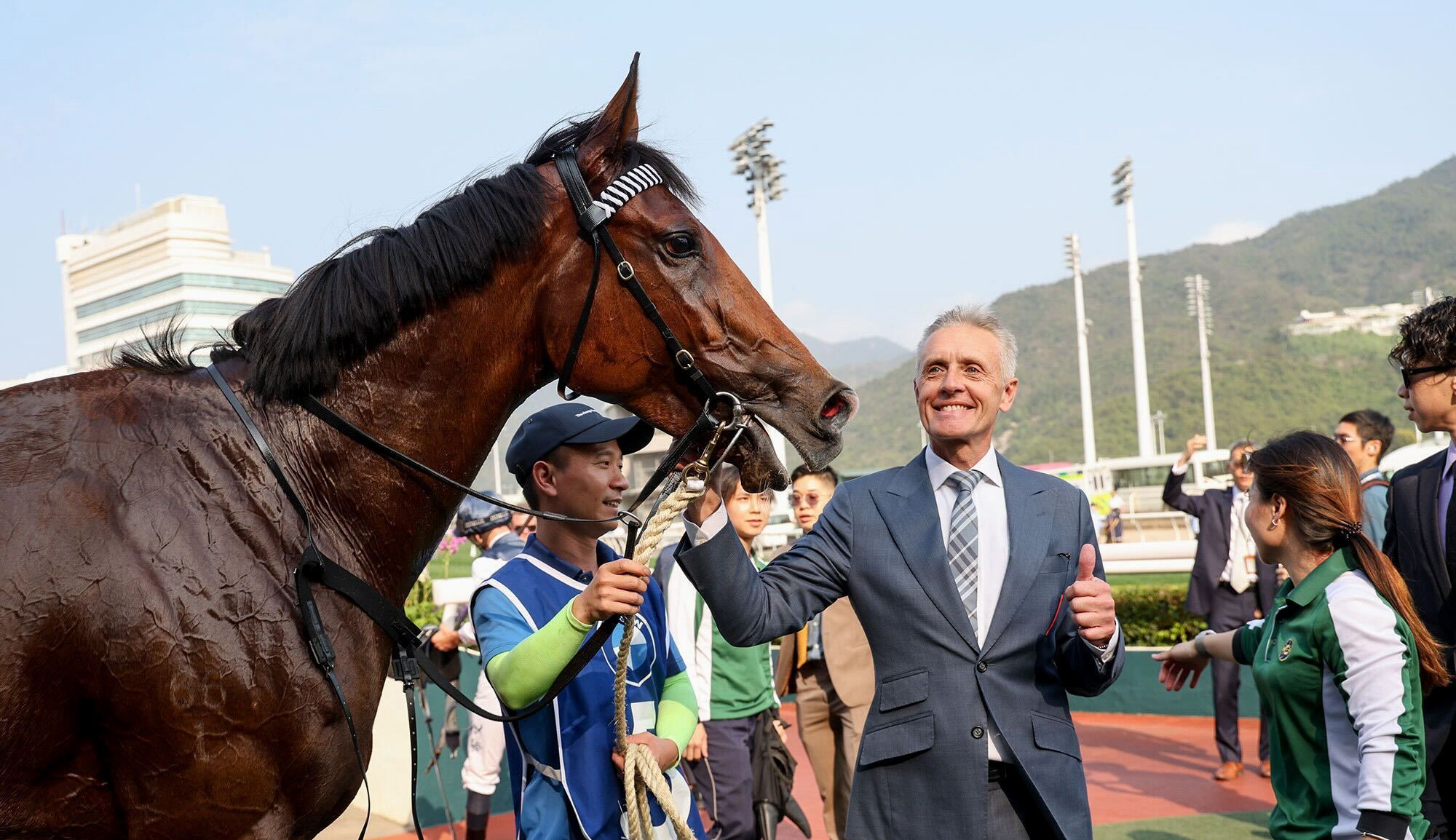
It’s been reported that Zac Purton has first call on as many as seven leading four-year-olds ahead of the Classic Series, which begins with the Hong Kong Classic Mile on February 1, moves to the Classic Cup on March 1 and finishes with the race every jockey in Hong Kong wants to win – the BMW Hong Kong Derby on March 22.
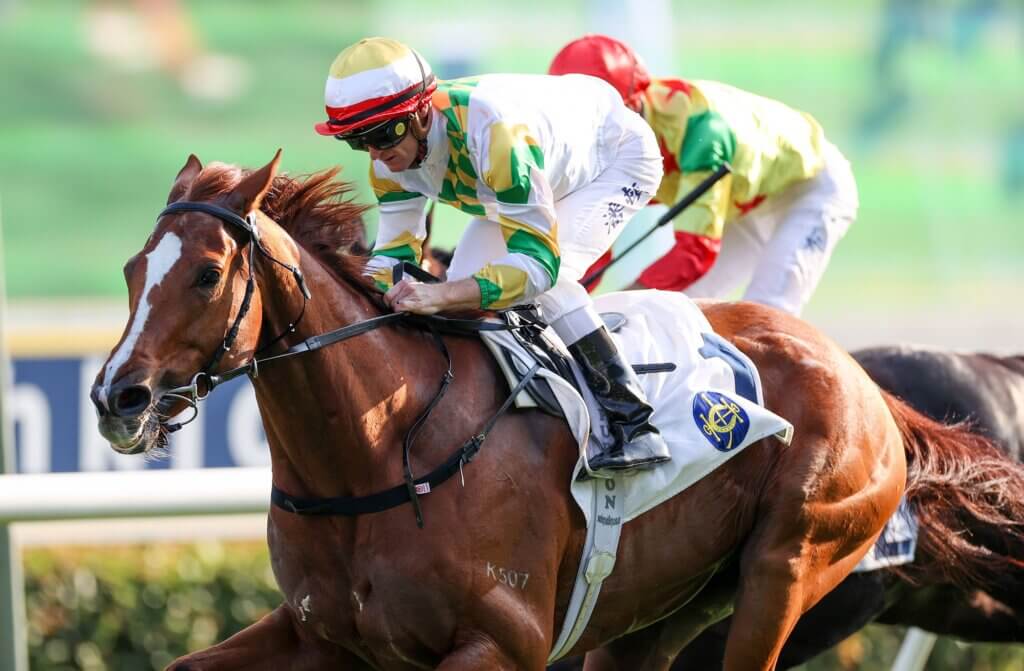
Zac has been aboard Sagacious Life, Invincible Ibis, Little Paradise, Beauty Bolt, Fortune Boy, Glittering Legend and Public Attention at the races or in barrier trials.
From the outside, people love to speculate about which horse he’ll ride. Inside the jockeys’ room, the thinking is very different. Right now, Zac’s biggest priority isn’t picking a horse – it’s buying time.
I used to be in similar situations every year with the Golden Slipper. When you’ve got multiple genuine chances, the worst thing you can do is lock yourself in too early. Between now and a big race, anything can happen. Horses can go sore, miss work, have setbacks or simply not improve the way you expect. If you commit too early, you risk watching the winner go past you when it comes to the big day.
So the first rule is simple: keep everyone at bay for as long as possible.
That doesn’t mean being dishonest. In fact, it’s the opposite. Communication is everything. Owners and trainers need to know exactly where they stand. You tell them, “I’m riding this horse in the next lead-up. If it runs to expectations, I’ll stay on it. If it doesn’t, I’ll get off and ride yours.” That honesty keeps everyone engaged and gives you flexibility.
When it comes to a Derby, the decision itself comes down to a few key factors. The first is distance. Can the horse handle 2000 metres? Not on paper, but in feel. You learn that by riding them. You feel how they relax, how they breathe and how they respond under pressure. Zac will know that better than anyone because he’s ridden them.
Breeding matters too, but Hong Kong Derbies aren’t true staying races. Sometimes you don’t need a genuine stayer – you need a horse that’s suited to 2000 metres under Hong Kong conditions. Ratings also matter. History tells you Derby winners are usually high-rated or at least rapidly improving.
Then there are relationships. If it’s clearly the best horse, you ride it. End of story. The Derby is the grand final – you ride what you think will win. But if it’s genuinely a 50-50 call, other things come into play. Who has supported you? Which owner is more likely to give you that extra 10 percent sling on top of your winning percentage?
In Australia, I was often a stable jockey, and that meant sometimes riding horses I knew would get beaten because loyalty demanded it. That cost me Group 1 wins, but it paid off long-term. Hong Kong is different. You’re not a stable jockey – you’re a club jockey. Zac isn’t obliged to anyone and that’s a huge advantage.
Another advantage he has is power. If you’re the best jockey, and you’ve handled things properly, you can change rides. Even if your horse doesn’t win the Classic Mile and another one does, Zac can still end up on that horse later. I did it plenty of times. That leverage only comes if you’ve communicated well and stayed flexible.
There are 10 weeks to go until the Derby, and a lot can change as the Four-Year-Old Classic Series progresses. Zac’s ability to delay the final call – even if it means waiting until the last possible moment – could make the difference.
Burst And The Power Of The Mind
A reader asked which of my four Golden Slipper winners was the best. The answer is Tierce – he was probably one of the best two-year-olds I ever saw. He just had gears. Exceptional. If you lined all four up in the same race, Tierce wins every time.
But my most memorable Slipper was Burst, because of the backstory and what I had to overcome to win it.
Burst dropped me at Newcastle and I fell hard, around four weeks before the 1992 Slipper. I went straight to hospital and they told me there was nothing wrong. They discharged me the next day and I drove myself home. I was booked to ride a full book on the Saturday and figured I’d be right.
On the Thursday morning I went to trackwork, hopped on one horse, and immediately knew something was wrong. It bolted and took off and I couldn’t sit on it. I rang my doctor, went straight in and they did an MRI. Three fractured vertebrae and lower back stress fractures. They hadn’t picked any of it up on the X-rays at Newcastle.
I didn’t ride that Saturday. The doctor put me into a private hospital for four or five days of treatment. No trackwork. Nothing. The following week I rode Burst and she won the lead-up to the Slipper. Before I went to the races, I was at the surgery getting cortisone injections in my back. For the next two weeks, I only rode in Group 1 races. No trackwork, no other rides. And no one knew – if they had, I wouldn’t have been allowed to ride.
In the week before the Golden Slipper it was the same routine: no riding during the week, into the surgery on the morning of the race for injections, then to the track. I put Deep Heat cream on my lower back to kill the pain. I had a sheepskin in my saddle because I couldn’t trot properly. I took painkillers – you couldn’t do that today – and I rode her.
Burst didn’t begin well but she was always going to be back in the field. I won that race in two moves. I drew out and about eighty metres after the start, I cut across to the fence. Malcolm Johnston’s horse was going to cross me and I dug like anything to get inside without being knocked down. That was the first move.
The second came at the 600-metre mark. It was a wet track and they’d gone hard. I was going to go around them, but in a split second I looked up and realised they were too far ahead – if I went wide, I’d never pick them up. So I gambled. I pulled her back in, cut the corner and she ran on to win.
The joy of that moment – after everything I’d been through in the previous two weeks – is hard to describe. It was pure satisfaction. It was putting mind over body. Most people would have said, “Right, you’re out for six weeks.” But I wanted it. I was going for four Slippers in a row and I knew Burst could win.
I’ve done it many times in my career – blocking out pain, pushing through. I did it again after my major fall in Hong Kong. I came back too soon. It was silly and it held me back for life. But that’s always been me. And it’s not just me – a lot of great sportspeople do it. They have to. You see it all the time: athletes performing unbelievable feats while injured. They block it out through adrenaline and focus. Their mind is stronger than their body.
Jack Callan – A Perfect Example
Last week I talked about why Australia isn’t producing top apprentices anymore and how youngsters from England and Ireland are more likely to head abroad to develop their skills.
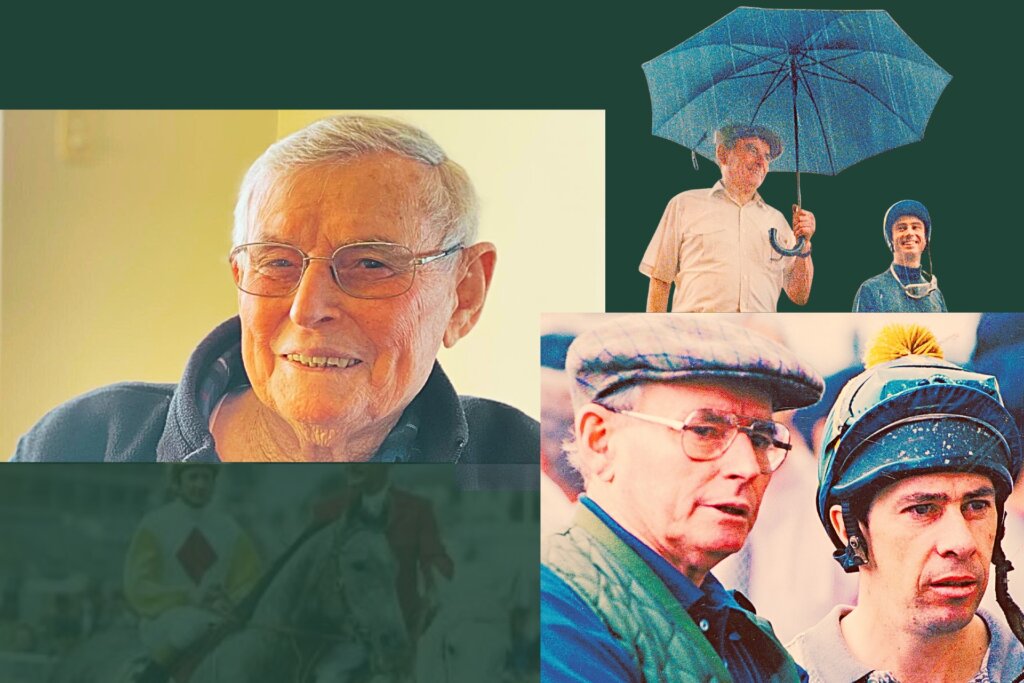
A great example has emerged since then: Jack Callan, the 19-year-old son of Irish jockey Neil Callan, who Hong Kong fans would know well from his time in the city. Jack is on loan to Warwick Farm trainers Annabel and Rob Archibald for a two-month Sydney stint and at his fifth ride he guided Eye Of The Fire to victory at Randwick on Saturday at double-figure odds.
He looked good on it. Strong. Composed. He’s a young kid who has come to Australia during the British off-season to gain experience and learn – exactly what I was talking about.
"It's quite overwhelming really."
— Racing NSW (@racing_nsw) January 3, 2026
It's taken visiting UK apprentice @_jackcallan_ just five rides to notch his first Australian win & he did it on the @archibaldracing gelding Eye Of The Fire who bounced back to form first-up at Royal Randwick. @tabcomau @AtTheRaces pic.twitter.com/I0O39jnHIH
When are Australian apprentices going to England or America to do the same? They don’t. And that’s part of the reason there are no superstar apprentices anymore. Darren Beadman went to Ireland when he was young. That’s how you learn. You see different approaches, different styles, different ways of thinking about the craft.
It would be good to see some Australian apprentices follow Jack Callan’s lead and head overseas for experience and a different perspective. ∎