One of the arguments in racing that never goes away starts with a simple question: if a horse is going to be ridden differently to the way it normally races, should the public be told before the race?
I have lived on both sides of that argument, first as a jockey who was known for doing something different in a race, whether it was a mid-race move or a complete change of tactics, and now as a punter who wants every piece of information he can get. That gives me a unique perspective, so let me take you through both sides.
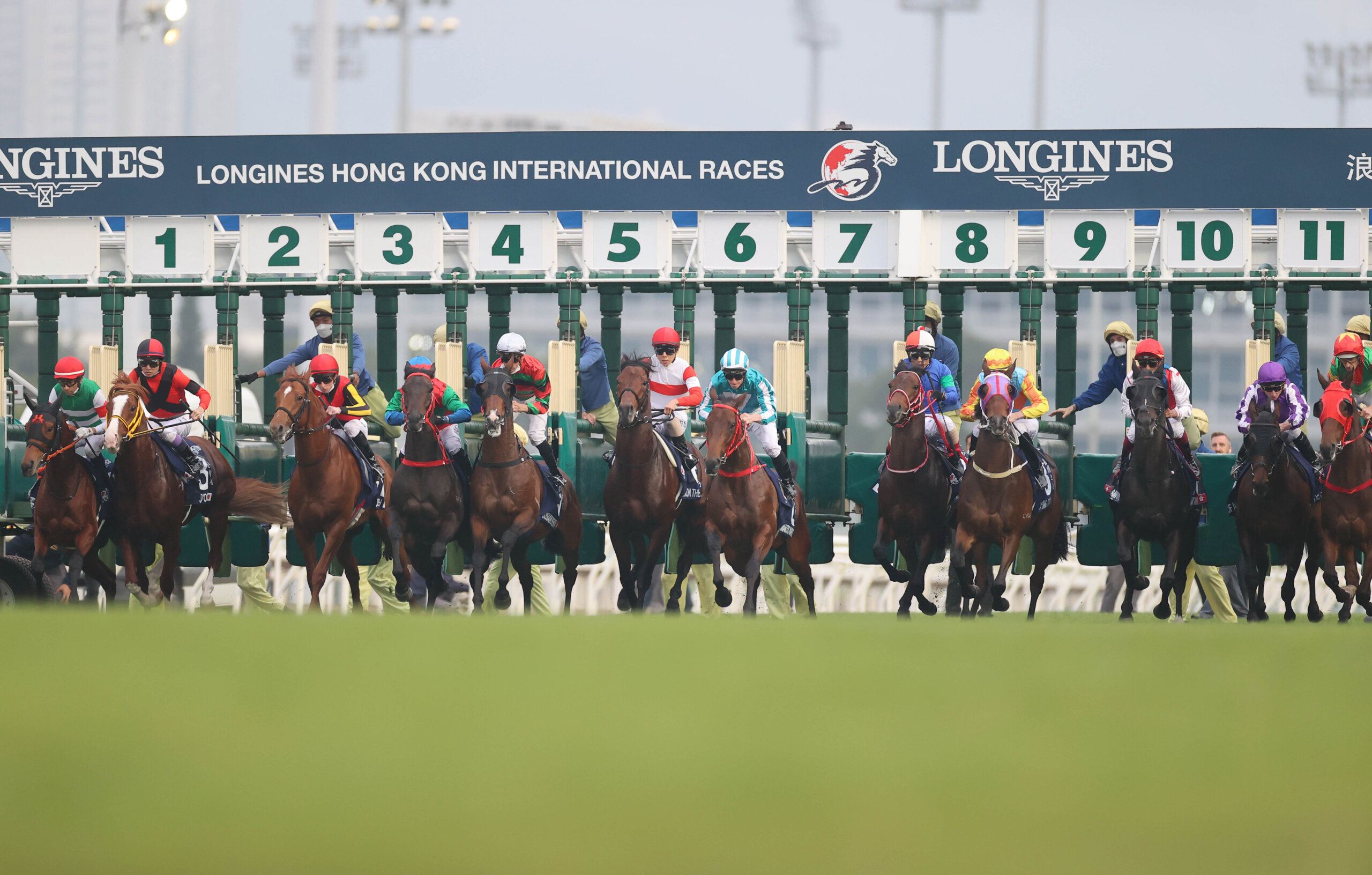
The question has come up again in Hong Kong, where since the start of November the Jockey Club’s stewards have been noting in their post-race reports when a trainer told them beforehand that a horse would be ridden differently. Nothing is announced before the race, and the Club has no plans to change that. Punters are now finding out after the race about a plan the stewards already knew, and I can see why some say, “I wish I had known that before I had my bet.”
For anyone new to racing, most horses settle into a pattern: some like to lead, some race just behind the leaders and others drop back and finish off late. Punters study those patterns, and so do rival trainers and jockeys, so everybody expects each horse to be in a certain place. A change of tactics is when a trainer and jockey decide to break the pattern.
A good example comes in 1200m races at Happy Valley, when a horse that normally races in the first three or four draws a wide gate in a race full of speed. It doesn’t have the pace to cross the field and will be caught wide the whole way if the jockey pushes forward, so the sensible thing is to go straight back to last. That is a change of tactics, and it is the kind of thing I would have told the stewards about pre-race.
Let me start with the jockey’s side, because that is where I spent most of my life. I always felt it was unfair to the connections of a horse when a change of tactics was broadcast before a race. You do something unexpected to catch the other riders by surprise, and if everybody knows about it before the gates open, it is no longer a surprise and it doesn’t help your chance of winning.
In Australia a planned change of tactics has to be reported to the stewards, who announce it to the public. I never had a problem with the first part. Wherever I rode, I would go to the stewards before the race, tell them I might ride the horse differently and give my reasons. I did it because it protected me: if something went wrong, or the ride looked bad, they already knew what I had been trying to do and couldn’t charge me afterwards.
What I didn’t like was the stewards then telling everybody else. I always wanted an advantage in a race where nobody knew what I was going to do. It might be riding a horse closer to the lead when there is no pace in the race, or taking on a leader that can win, so he has a hard run early and is weak at the finish. Once that is broadcast, the advantage is gone.
The bigger principle is that a jockey should always be asking, “This horse can’t win ridden the same way, so what can I do differently?” Jockeys need that freedom and should not be tied down. If you are going to get into trouble for trying something you didn’t declare, it takes away initiative, and it stops good jockeys from becoming great ones, because they become too scared to risk being criticised.

Now let me put my punter’s hat on, because these days that is how I watch every race. Any information I can get before a race is beneficial, and if I was told a horse was going to be ridden differently, the way I bet on that race could change drastically. I want every advantage I can get when I am betting, but that doesn’t make it the right thing to tell me and everybody else before the race.
It also might not help punters as much as they think, because a plan can’t always be carried out. I rode in many races where I intended to ride a horse differently and didn’t, because of what happened once the gates opened. You might plan to lead and the horse doesn’t jump well, or you might want to apply pressure earlier and never get into a position to do it.
When that happens, the information the stewards gave the public is irrelevant and would cost punters money instead of helping them. The public then wants to know why the horse wasn’t ridden the way they were told, and there is an uproar. I have seen that many times.
As for putting it in the report after the race, I can see why the stewards do it. Every ride gets picked apart now, and that note shows the plan was declared beforehand and that nothing about the ride was untoward. It protects the trainer and jockey the same way going to the stewards before the race always protected me.
I understand the punter who reads the post-race incident report and wishes he had known, because I am one of them. But it is very unfair to the owner, the trainer and the jockey if a change of instructions is broadcast before a race, because it takes away their chance to win by doing something different. Tell the stewards, by all means, but I don’t think it should ever be broadcast, even though the punter in me would love to know. ∎