Racing Roundtable: 2025-26 Hong Kong Season Review
The Idol Horse team looks back on a Hong Kong season of records – Ka Ying Rising’s historic streak, Romantic Warrior’s fourth QEII Cup and Triple Crown – and picks its breakout stars, report cards and re-dos.
Racing Roundtable: 2025-26 Hong Kong Season Review
The Idol Horse team looks back on a Hong Kong season of records – Ka Ying Rising’s historic streak, Romantic Warrior’s fourth QEII Cup and Triple Crown – and picks its breakout stars, report cards and re-dos.
15 July, 2026What Stands Out As The Season’s Most Enduring Image?
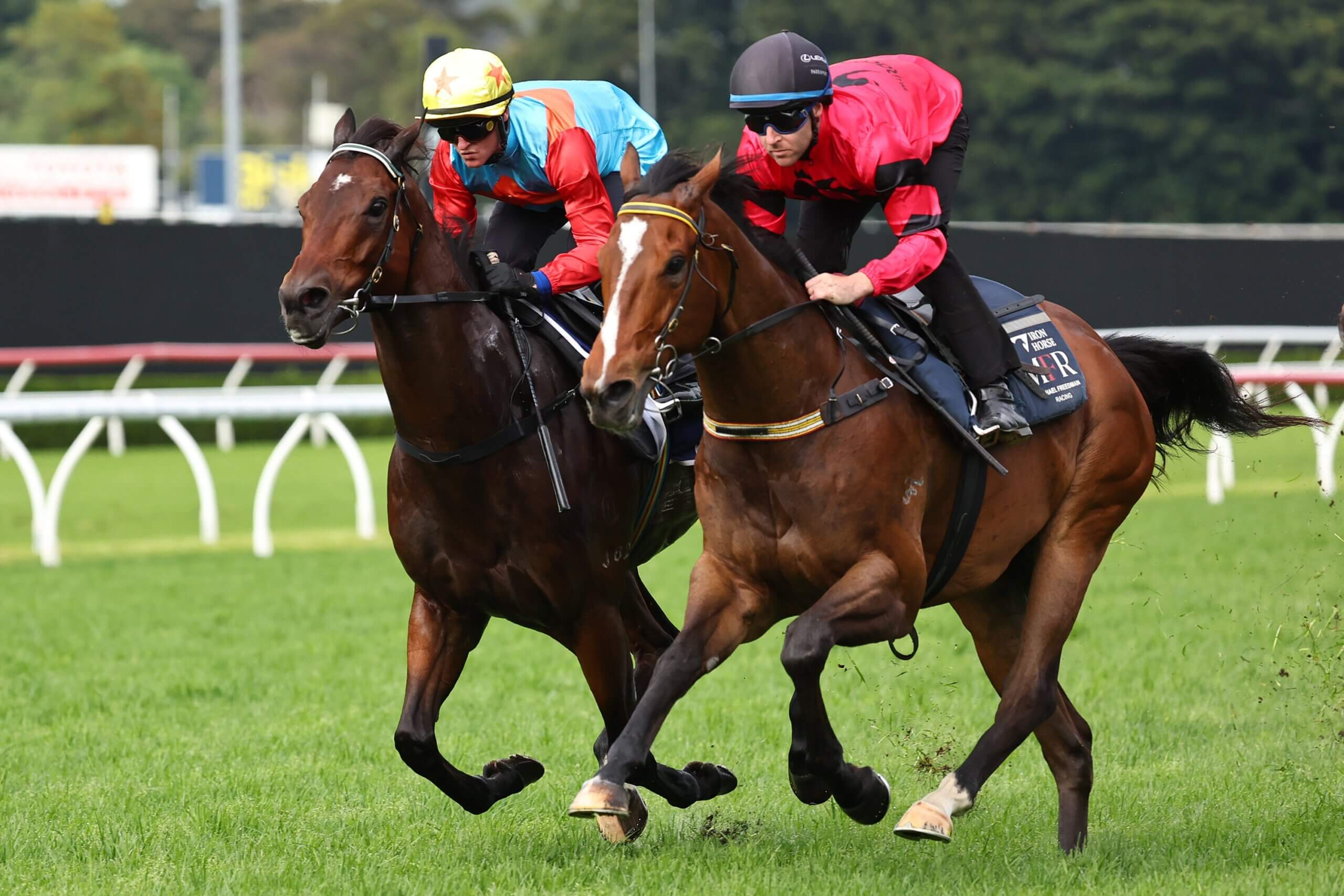
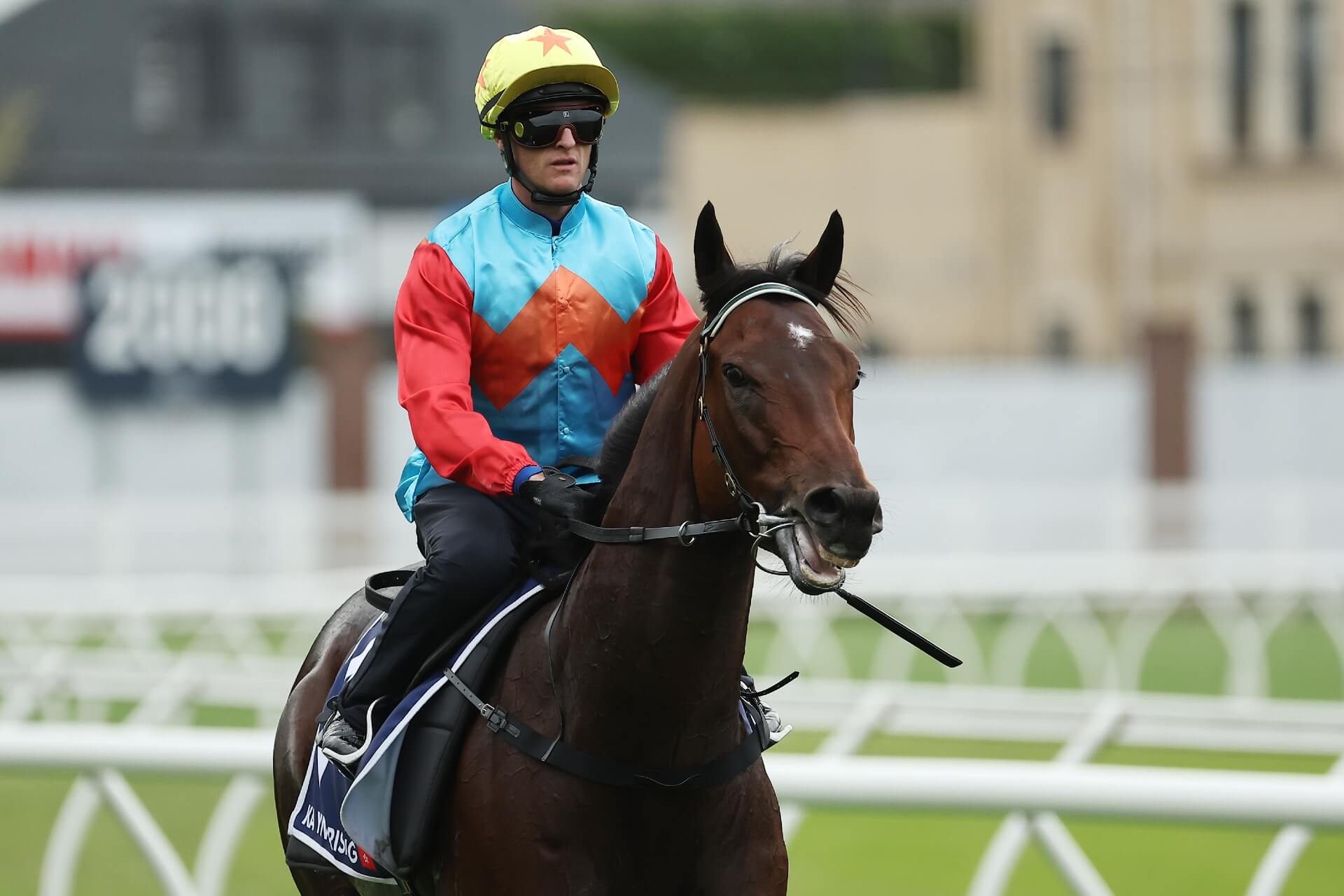
David Morgan: Between Ka Ying Rising and Romantic Warrior, Hong Kong racing fans were spoiled for choice when it came to exceptional achievements and iconic moments. But the one image that will endure for me is Ka Ying Rising breezing past the winning post in the G1 Queen’s Silver Jubilee Cup with Zac Purton’s hands resting on the great gelding’s neck.
In that moment Ka Ying Rising broke the immortal Silent Witness’s Hong Kong record, setting a new mark of 18 consecutive wins. And he did it with such ease in a track record time for the 1400m distance, of 1:19.36.
Ka Ying Rising had flowed through the race with his usual rhythmic power, but 400m out Purton had thrown the reins at the champion and driven him to see what he could deliver. The gelding extended and powered well clear of his rivals with such dominance that his rider stopped urging, letting his hands and arms rest and allowing his mount to simply do his thing. Even when clocking a blistering time, in a moment of incredible history, Ka Ying Rising’s cool and easy freewheel captured just how special this great athlete is.
Luke Middlebrook: The season’s most enduring image was not Romantic Warrior crossing the line in the QEII Cup for a record-extending fourth time, but what followed.
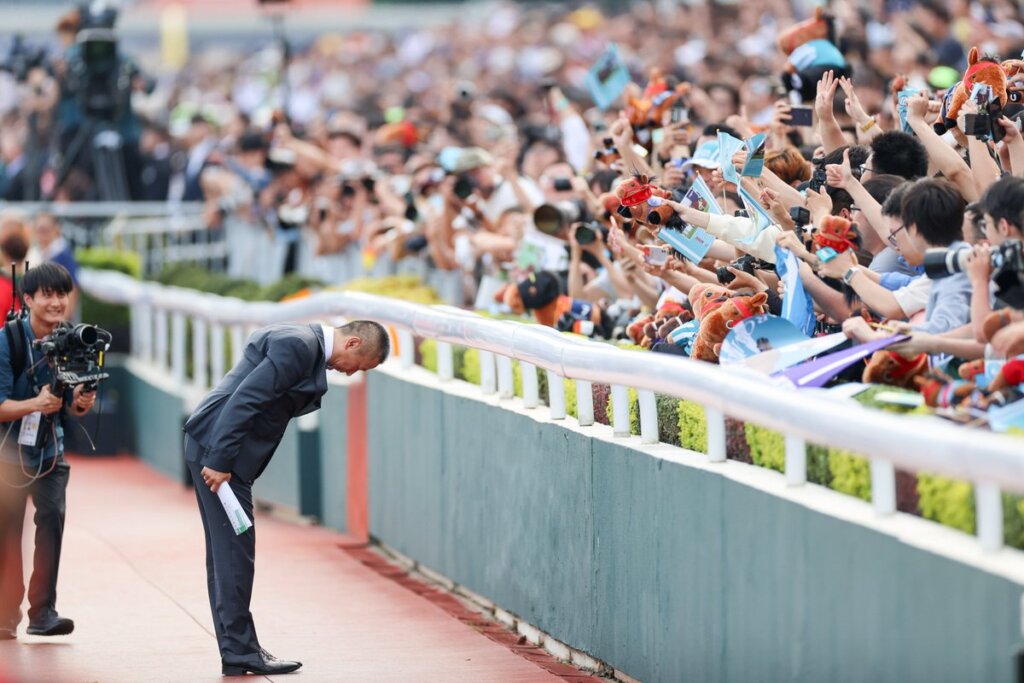
Danny Shum was making the long walk towards the trophy presentation when he stopped near the winning post, turned to the packed Sha Tin grandstand and bowed.
It was a small gesture, but it carried the weight of the moment: respect, gratitude and an understanding of what Romantic Warrior has come to mean. Pressed against the rail were fans with banners, plushies and a surge of colour and noise.
Michael Cox: Circling back to Ka Ying Rising’s record-breaker in the Queen’s Silver Jubilee Cup. Start with David Hayes’ riding instructions – “Go break the track record.” Has that ever been said before, let alone with such confidence? Then the horse made the instruction look conservative. But the image that stays with me is the crowd: more soccer terrace than racetrack, banners unfurled, fans crammed against the fence. A timely reminder that racing is a sport.
New Trainer On The Block Brett Crawford Recently Assessed His First Season As An 8/10 – How Would You Assess It?
Michael Cox: I’ll use a different scale to Crawford’s and grade him a B+.
The average first-season tally since 1999-2000 is 30.1 wins, so on raw numbers Crawford is just below par – especially with the modern season longer than the one many of those trainers faced. But a big first season has never been a reliable predictor of feature success, and here’s the encouraging part for the South African: all ten trainers who won fewer first-season races than Crawford improved their tally in season two. Everything about his measured approach suggests he’ll extend that trend.
The knock this season was that his stable was bottom-heavy – too reliant on Class 5 transfers. In season two he needs a breakout star to shift that perception, and Mr Incredible could be it: a nice type sourced by Crawford himself, three wins from four by a combined six and three-quarter lengths, and aimed squarely at the 2027 Hong Kong Classic Mile.
Luke Middlebrook: Crawford walked away from Sha Tin’s final meeting with a double and, sometime after facing the local press and heading back to the on-track living quarters, found another half-mark – ”8.5 out of ten” – I won’t be taking that off him.
Just as a horse needs the right temperament to thrive in Hong Kong, Crawford looks like he has it too.
For me, the numbers are less important than the perception. Along with an obvious aptitude with stable transfers, Crawford has quickly earned a reputation as a trainer who presents horses in good condition and gets them to perform consistently. Job done.
The standout for mine was Island Buddy – a stable transfer produced first-up after 74 days, with no trial, and winning straight away. Then getting him to do it again.
And looking forward, there is plenty to like about what Galaxy Patch might do next season after the 120-rater ran a slashing second behind Little Paradise in the G3 Premier Cup at his first start for Crawford, also without a trial.
David Morgan: There’s definitely been a general sense that Brett Crawford’s first season in Hong Kong has been a success, and I agree with Luke on the one hand, that he has shown for sure he can train winners in Hong Kong and he can certainly ready one first-up. On the other hand, the numbers are invariably what count most in this city, not sentiment or good vibe, cold hard numbers.
In that regard, as Michael pointed out, Crawford hasn’t really done anything to get excited about. His 28 winners is moderately respectable, but nothing more. He gets a pass mark, a solid season, not spectacular, but potentially a good foundation on which he can build a bigger tally and expand his string’s quality in the next campaign.
Which Of The Season’s Breakout Stars Impressed You Most?
David Morgan: Hot Delight is the one for me. Francis Lui’s Australian-bred three-year-old has done little wrong and plenty right in winning four of his five starts, all at 1200 metres, including a hat-trick to kick-off his career.
Any up and comer can be forgiven a loss in Hong Kong, where they’re pitched straight into handicaps against older rivals, and his defeat came at his first start in Class 2. He banished that fourth-place blip next time out in that grade, though, travelling wide yet galloping strongly to beat seasoned Group race sprinters Magic Control and Victor The Winner into second and fourth. And there was clearly a bit up his sleeve, suggesting the son of top European miler Too Darn Hot should be a force to reckon with going into his four-year-old campaign.
Michael Cox: Mark Newnham might seem an odd fit on this list in his third season, but a jump from 44 wins to 60 and genuine championship contention is exactly that. More telling was how he did it – with a style that says perennial contender rather than one-season spike. A maiden Group 1 with My Wish and a Hong Kong Derby with Invincible Ibis, both horses he took through from Class 4, won’t hurt either.
On the horse front, my picks aren’t stars yet but are two to follow: the aforementioned Mr Incredible in the Four-Year-Old Classic Series, and first-up winner Solid State, who goes straight into the deep end off his new rating but can go on with it.
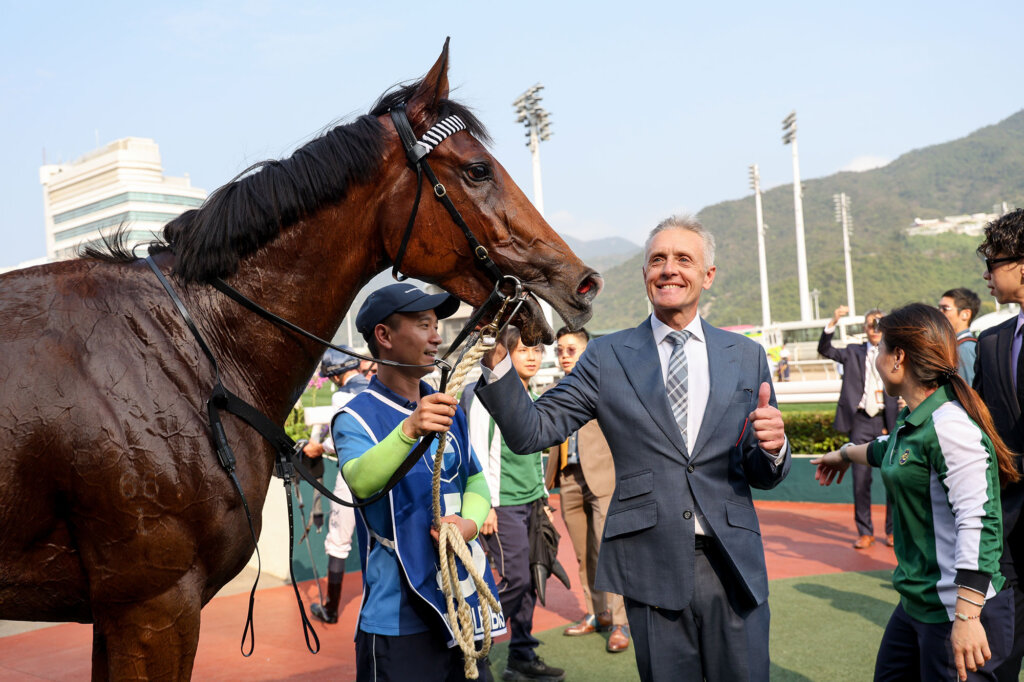
Luke Middlebrook: Jerry Chau, because the winners only tell part of it. The change was how much more complete he looked getting them.
Chau had been a record-setting apprentice before suspensions halted his momentum and support thinned. This season he answered back – in the numbers, with 48 winners after last season’s 23 and the Tony Cruz Award all his, but more importantly in the way he rode.
Idol Horse columnist and Hall of Fame jockey Shane Dye repeatedly highlighted the improved qualities in Chau’s riding: balance, adaptability and, most notably, a better sense of timing. Chau looked more willing to let races unfold, rather than force the question, and produce his mounts at the right time.
Tony Cruz told Idol Horse recently that Chau “has the chance to be one of the best local riders ever”. Not so long ago, that might have sounded like a big call. Now, not so much.
What Areas Could The Hong Kong Jockey Club And Its Executives Look To Improve On?
Michael Cox: Let’s start with giving credit where it’s due: the Jockey Club’s stipendiary stewards have earned a reputation as world leaders, and the post-race reports are more detailed than anything produced elsewhere. But “better than everywhere else” is the wrong benchmark. The stakes are higher in Hong Kong, public trust is the whole game, and there is a reason officials here have always gone further than other jurisdictions to protect confidence in the product.
Here is what has changed: racing media is no longer a handful of newspapermen filing overnight copy. Every ride is now litigated in real time – on message boards, in the comments beneath the Club’s own social posts, in forums and group chats the Club doesn’t control. When a post-race report leaves an obvious question unanswered, that vacuum doesn’t stay empty; it fills with speculation. And in those spaces, the Club is losing the perception battle.
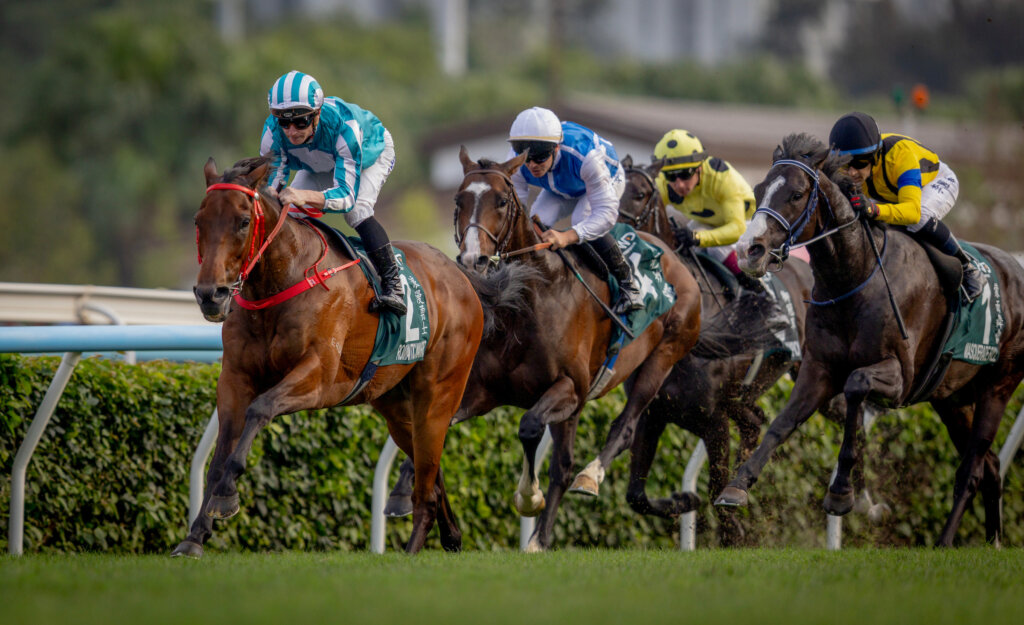
Two high-profile examples this season: what exactly was James McDonald asked about the use of his elbow in the closing stages of the Champions & Chater Cup? And what of Christophe Lemaire’s tactics on Masquerade Ball in the QEII Cup? Questions were surely asked in the room; neither report reflected it.
The good news is that the fix is neither expensive nor radical. In Australia, press sit in on the questioning phase of inquiries, with only panel deliberations behind closed doors. Hong Kong’s stated reason for locking reporters out – too many of them – was solved in Sydney during Covid, when stewards installed a live stream. It remains in place today. Hong Kong has the resources, the technology and an example of how it works. Open the window, and the speculation loses its oxygen.
David Morgan: The Hong Kong Jockey Club gets many things right, and that includes the excellent hospitality it extends to visiting media at the Hong Kong International Races in December and the Champions Day races in April. No one can have much if any cause for complaint about the facilities the overseas press work in, nor the fine food they are offered. Everyone has a seat and a desk in an air-conditioned room with power outlets supplied and room to type and edit comfortably, and that’s as it should be.
But it’s a different story on regular race days for the local press when the international spotlight has departed. The small ground level press room at Sha Tin is jam-packed to claustrophobic levels, with barely space to move, and should an out of town journalist arrive on one of those days, good luck finding deskspace or a chair.
Happy Valley is another few notches below even that. If you want to do your job properly as a journalist or photographer – and that means working at trackside level in the thick of the ever happening news loop – then you’ll be working outside, crouched in a corner, leaning against a wall, laptop perched wherever you can prop it, come January cold, typhoon season rain or sweltering summer heat. The Club has a proud history of excellence, so we know it can do better for the people who work tirelessly to tell the sport’s stories.
Luke Middlebrook: Is it too much to ask that the Club add “Win Odds” to jockeys’ Riding Records, the same way they already do for trainers’ Runner Records?
The starting price adds important context to a jockey’s record because it reflects the market’s implied chance of each ride. It paints a picture of the opportunities that riders have been receiving and how they are performing against the market. Without historical Win Odds in a jockey’s record easily accessible, that story is hard to see.
A lot of racing analysis is built around performance against market expectation, and you do not need to go far into the mechanics, but the basic idea is important: to understand whether a jockey is doing better or worse than expected, you need the starting price of each ride, and that information should be easy to find.
The data is already being shown for trainers, so it is inconsistent not to include it for jockeys. If starting prices are useful for understanding a trainer’s performance profile, they are just as useful for understanding a jockey’s.
It is also a more relevant data point than horse body weight, which the Club currently includes in jockey Riding Records. A horse’s body weight is useful horse information, but it has limited value when assessing jockey performance.
Who Would Want A Re-do Of The Season?
David Morgan: Pierre Ng’s brilliant first two seasons pegged him as the bright young thing of the Hong Kong training ranks: 41 wins in his debut season and 69 in his second season, which saw him miss out on the champion trainer title by only one win.
That was the peak, though, and since then Ng has slipped off the pace. Season three dropped back to 40 wins, but no need for alarm, this often happens after such a big campaign the season before; his fourth season brought 40 wins again; but this season has seen him struggle and with one meeting left, he has just 31 wins on the board, 14th in the standings.
Perhaps more worrying has been the loss of horses from his stable, notably the high-class talent Galaxy Patch, and an overall drop in stable numbers to only 54 horses. If he could re-do, I’m sure Ng would, but reality means he must put it behind him and turn things around quickly or face becoming a low-table battler.
Michael Cox: I was pleased to see Jimmy Ting get Little Paradise’s career back on track with a late-season Group 3 win, but his BMW Hong Kong Derby preparation was a mess. A spectacular Classic Mile win had Hong Kong racing’s spruik merchants frothing, some anointing the horse “the next Golden Sixty”. Ting can’t control the hype, but judged against market expectations in the Classic Cup and the Derby itself, Little Paradise was a serious flop.
Ting lost three horses to transfers this week but still has 38 on the books, including eight unraced. That’s enough to rebuild from, though Little Paradise’s big-race record will be the measure. For now, Ting can simply be relieved he still has his star at all.
Luke Middlebrook: This is an easy one: Christophe Lemaire would surely want another shot at the QEII Cup on Masquerade Ball.
The sectionals tell the story. Masquerade Ball produced the quickest final 200m of the entire meeting, stopping the clock at 10.95 – 0.12 seconds faster than Ka Ying Rising’s final 200m of 11.07 – and the second-quickest final 400m of the day, only 0.15 seconds slower than Ka Ying Rising’s 21.52 in the Chairman’s Sprint Prize over 1200m. For a horse coming out of a 2000m race, that is a remarkable comparison, and it points to a clear inefficiency.
That is the re-do. Lemaire left his run too late. Masquerade Ball still had too much left at the finish, but by the time he was in full flight, James McDonald on Romantic Warrior had put the race to bed.
If Romantic Warrior was going to be beaten at any point this season, this was the race. Masquerade Ball was the horse to do it, but Lemaire gave him too much to do. ∎