Katsuhiko Sumii: The Trainer Who Walked Away
He won the Melbourne Cup and trained some of Japan’s greatest champions – then retired to follow a spiritual calling. After the Noto earthquake, Katsuhiko Sumii has found a second life in Suzu, where rescued racehorses help hold a disappearing town together.
Katsuhiko Sumii: The Trainer Who Walked Away
He won the Melbourne Cup and trained some of Japan’s greatest champions – then retired to follow a spiritual calling. After the Noto earthquake, Katsuhiko Sumii has found a second life in Suzu, where rescued racehorses help hold a disappearing town together.
22 June, 2026THE WALL is cracked and paper peels in strips from the walls. The building and surrounding fields bear scars of earthquakes and time. Katsuhiko Sumii sits quietly in a chair in the Suzu Horse Park office for a rare interview. He is not necessarily hesitant to do media – just difficult to reach.
Suzu is remote at the best of times, but now, after the earthquakes that ravaged towns and roads, getting here is even harder.
Nearby on a sideboard cupboard leans a poster featuring Vodka – the champion mare he once trained – a quiet reminder of past glories.
In February 2021, Sumii walked away from horse racing at the top of his game. He had conquered Japan’s greatest races and proven himself on the world stage, yet he chose to retire to succeed his late mother’s work within Tenrikyo, a religion with deep roots in rural Japan. That decision brought him back to Suzu, where his second life – again with horses – began.
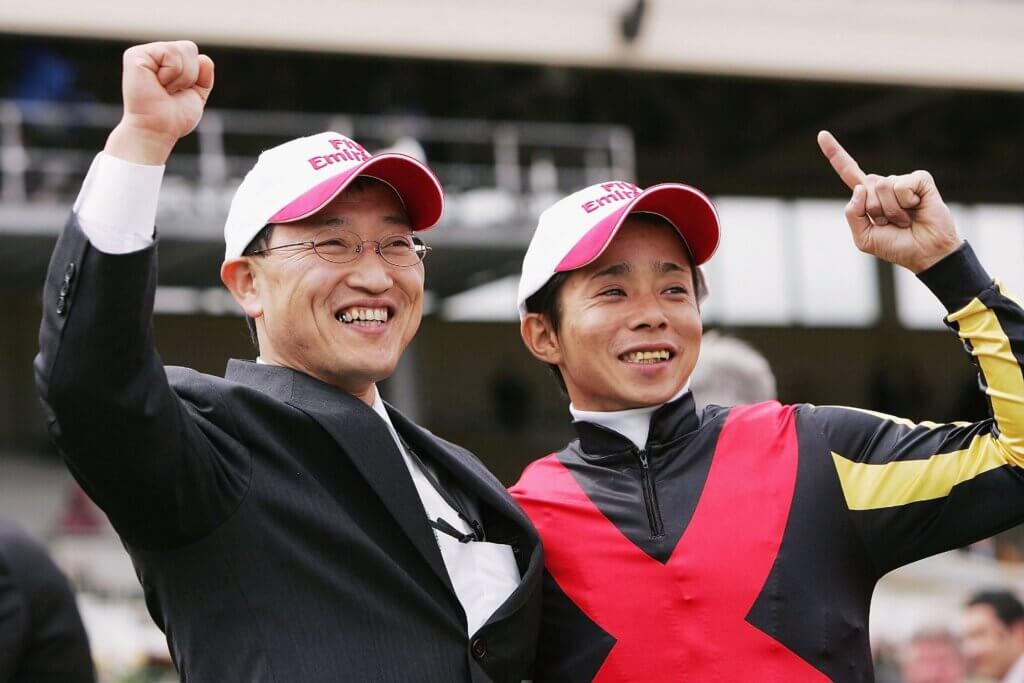
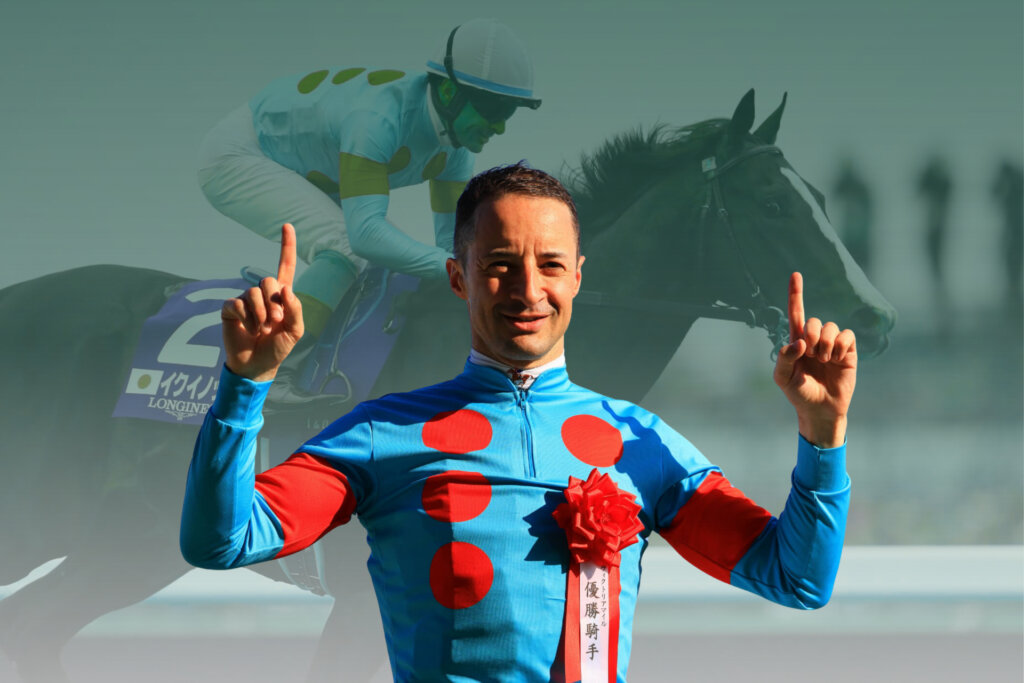
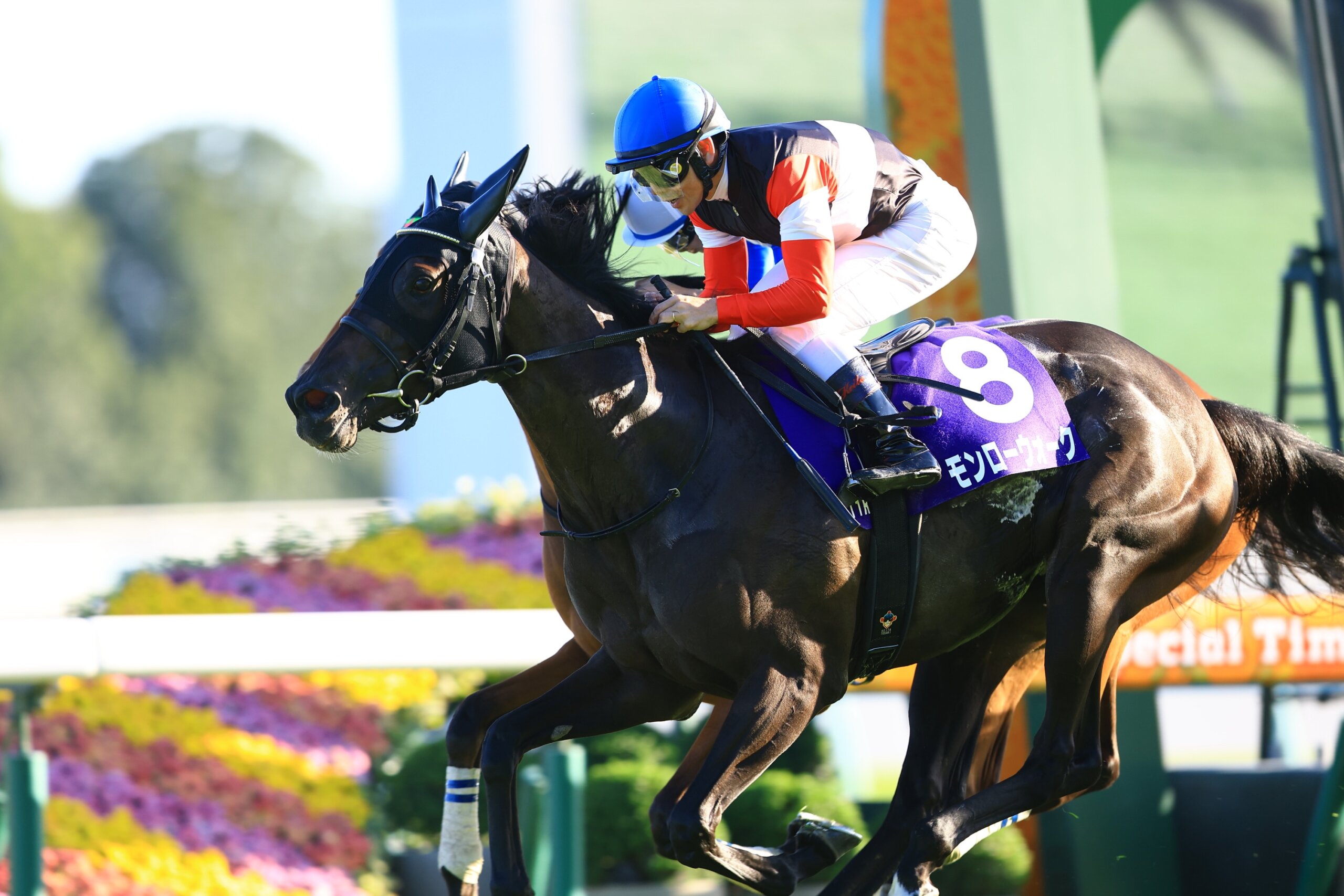
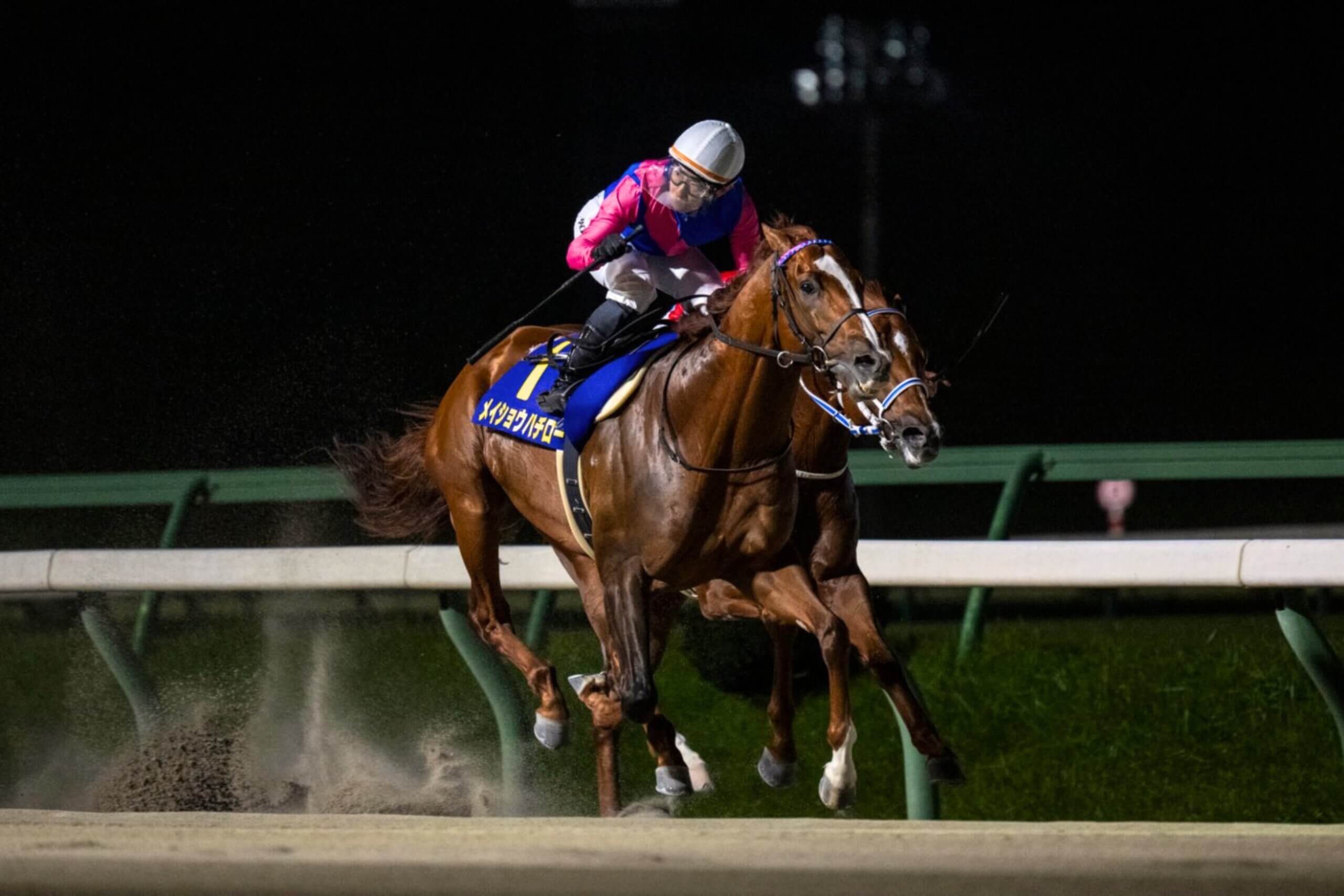
The scale of what Sumii walked away from is staggering. Over a 20-year career he saddled 24 Group 1 winners, topped the Japan Racing Association (JRA) prize money charts five times, and was voted Japan’s best trainer in three separate categories. He was a globetrotting groundbreaker, central to so many stories that chart the rise of Japanese racing. Cesario became the first Japanese-trained horse to win a Grade 1 in America when she took the 2005 American Oaks by four lengths. Delta Blues and Pop Rock ran first and second in the 2006 Melbourne Cup. Vodka won the 2007 Japanese Derby as a filly, the first to do so in 64 years, and went on to be named Horse of the Year twice. Kane Hekili ruled the dirt. Victoire Pisa became the first Japanese horse to win the Dubai World Cup. Epiphaneia destroyed the 2014 Japan Cup field and is now one of the country’s most important stallions, as is Saturnalia. Kiseki took the St Leger through a typhoon and Roger Barows, his final JRA Group 1 winner, shocked in the 2019 Derby. And. Six of Sumii’s horses now live on as characters in Umamusume, the anime phenomenon that has introduced a new generation of young fans to Japanese racing – ensuring the trainer’s name endures long after he has left the track.
“After my retirement, I have less time to watch racing,” Sumii says. “But when I look at some results of Grade One races afterwards, I will know, ‘Oh, the guy came out of my stable won a Grade One,’ or ‘he got to train a Grade One horse.’ Epiphaneia and Saturnalia are making their marks as stallions, and I’m really happy for them as well.”
It was to be a peaceful retirement for Sumii, albeit an early one aged 56, but a disaster reshaped everything upon his return.
When Sumii arrived at Suzu Horse Park, the facility had already suffered damage from an earlier earthquake. Repairs had only recently been completed when disaster struck the Noto Peninsula again.
On January 1, 2024, a 7.6 magnitude earthquake and resulting tsunami devastated the Noto Peninsula including the township of Suzu. More than 600 people died, around 1,400 people were injured and more than 200,000 buildings damaged.
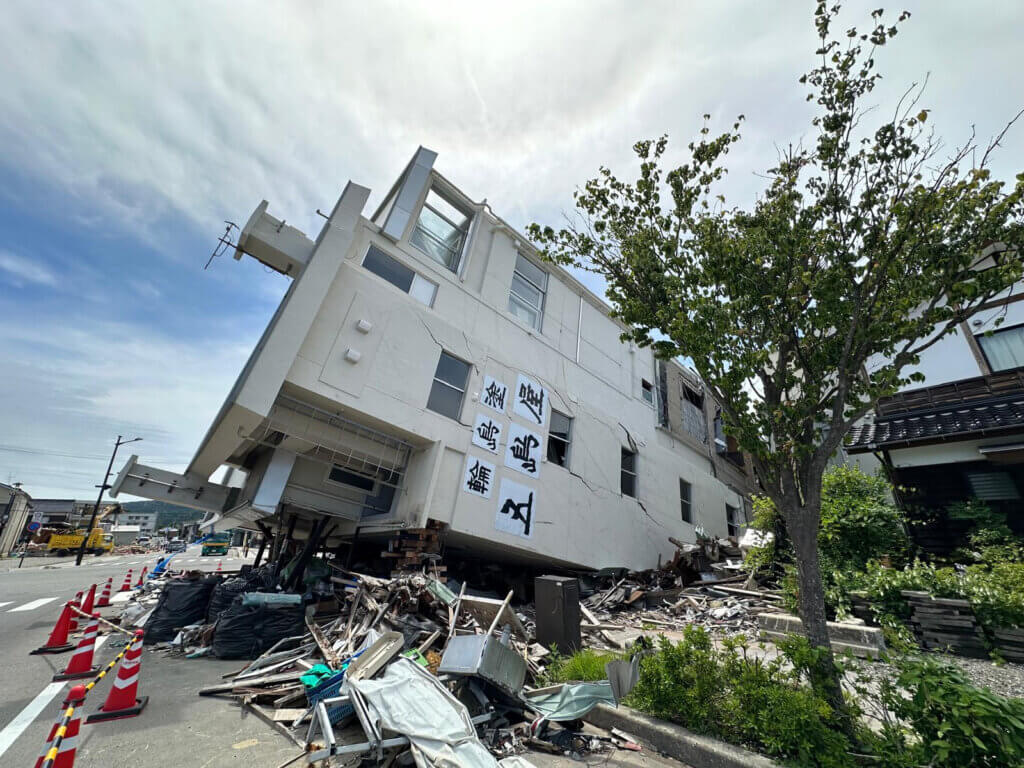
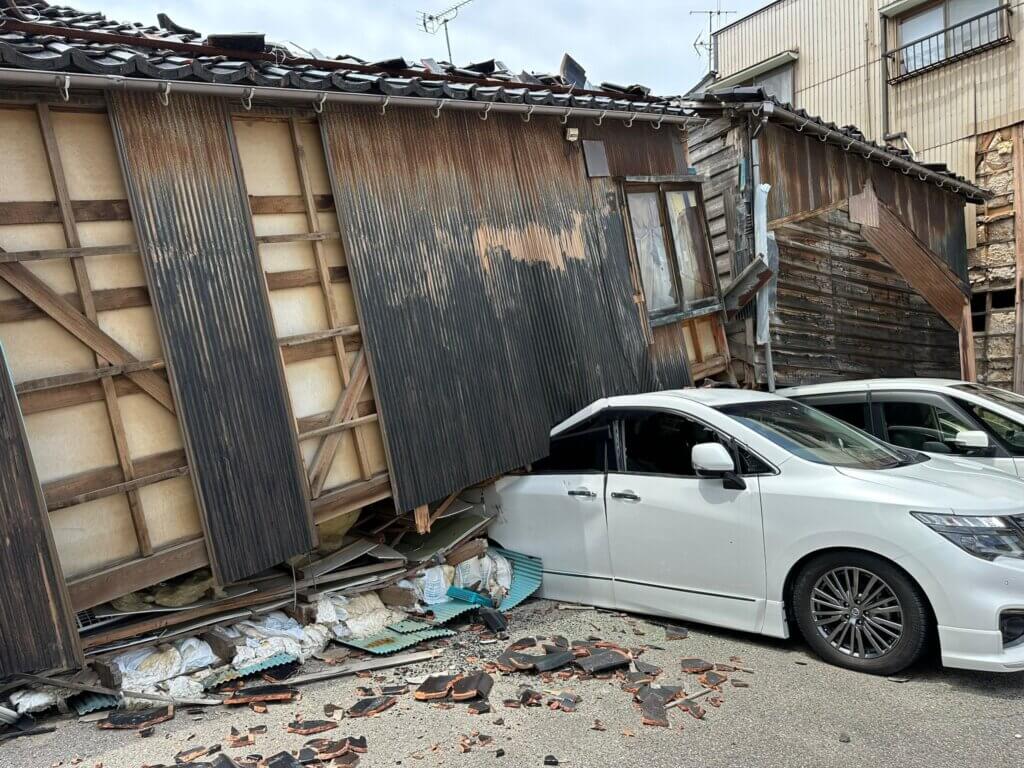
Then the aftermath: a region already in decline due to an aging population and lack of opportunities for young people now felt forgotten. The void provided Sumii – and his horses – a new mission in life.
“At that point, I was already thinking if I could prepare the horses for natural disasters,” he says. “For example, horses could help move the rubble using carts, or they could provide psychological relief for those elderly or disabled people who could not move away from this region.
“We tried to start working on these, but unfortunately, after the earthquake this place has become isolated … So, what we can do now is to let those people still staying come and see the horses, and help people heal their wounds in their heart.”
Every day, survivors find comfort here.
“There are a lot of elderly, disabled, and other local people suffering from mental issues. Every day I see those people come and visit this farm and then go back with smiles on their faces. If in the future more local communities can provide places like here, I really think horses and local communities can save each other.”
Suzu itself was already a fragile community.
“Here, Suzu city, is a town with a population of 12,000,” Sumii says. “Even if there was no earthquake, in 10 to 15 years, administrative functions in this area would become defunct, and the community would disappear. With this earthquake, people here are forced to leave their hometown, further accelerating the population decline. On the other hand, every year around 5,000 racehorses lose their places. I think those unwanted thoroughbreds can find their places to live out their lives in these kinds of marginal communities.”
Sumii believes his work is not only about saving horses, it is about saving the sport.
“Nowadays, aftercare, animal welfare and animal rights become mainstream, so, to protect the horse industry, we must come up with a plan for the retired horses,” he says. “Horses should not be only focused on their races or brilliant racing moments, and people need to think about how we should protect those horses through their entire lifetime. This will be crucial to protect the horse industry.”
Sumii saw what happens when a sport fails to protect its animals. During a study trip to the UK, he watched greyhound racing collapse.
“When I went to study in the UK, I learned greyhound racing was once popular there, but it had been going downhill very rapidly,” he says. “This made me think it will be an important topic for the horse industry on how to protect the remaining career of horses.
“In recent years, people are paying more attention to retired racehorses, whether in Europe, North America or Australia. Meanwhile, Japan has the highest betting turnover around the world, so I think we must become the leading country to support those retired racehorses.”
Sumii says the JRA’s astronomic betting pools should be tapped for serious contributions to aftercare projects.
“In Japan, the JRA has a circulation system of betting revenue, and within this system, retired racehorses are able to contribute to local communities. This revenue circulation system makes the horse racing industry able to contribute to the national society and local communities and will further benefit the horse racing industry itself. Horse racing in Japan is built on this kind of circulating system. I think it is sustainable and is a very good system, so I hope this program can be a model to be adopted by more countries around the world, ideally.”
It was when Sumii was a trainer – which seems a lifetime ago from here with all that has happened – that he first considered the plight of retired racehorses in Japan.
“I became a trainer in 2001, but even before that, when I came into the horse industry, I had been told that retired racehorses did not have a bright future here in Japan,” he says. “At that time, even talking about it was regarded as taboo. In 2006 I had big success as a trainer, making my career more stable, and then I started to explore what kind of options were available for the retired racehorses.”
Even his greatest victories are framed through reflection rather than celebration.
Speaking about Roger Barows, his shock 2019 Tokyo Yushun winner, who died in 2024, he says: “He was just starting to produce some good winners as a stallion, so I felt really sad and I miss him as well. Although he won the Derby, as a trainer, I have some regrets that I could possibly train him better than I did, so I feel very sorry for him.”
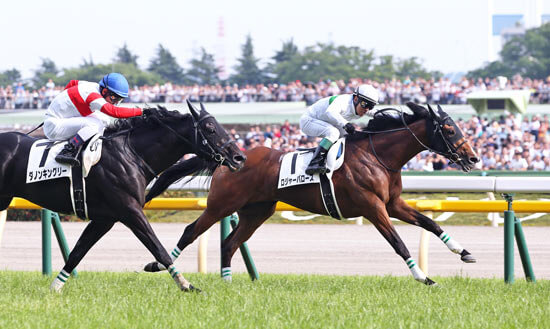
Sumii raises a wry smile when he recalls the day Roger Barows defeated his more favoured stablemate Saturnalia in the Derby.
“I felt horse racing really was unpredictable, and since Saturnalia didn’t win as the favourite, I felt sorry for Saturnalia’s connections and fans. However, we did hold a small party just between the owner of Roger Barows and me afterwards. This always reminds me that a good thing and a bad thing can happen at the same time in horse racing.”
Maybe the reluctance to smile today harks back to the post-race presentation and mixed feelings of that famous day.
“Yeah. I didn’t smile at all during my post-race interview after the Derby, so another trainer called me later telling me you should smile more,” he recalls with a laugh.
So now that Sumii is a lifetime away from the fierce competition, can he spill some secrets to his success? His answer, not surprisingly, hits a spiritual note.
“Just like horses, people have different characters as well,” he says. “The important thing to know is that we should love horses, and the dedication to horses will eventually be returned to us. Even horses with the toughest character will eventually respond to our love. If we can’t figure out a horse one-on-one, then we take care of the horse with two or three people until the horse no longer poses a threat to himself and other people. When we make sure it is safe, we make one person stay with one horse to support the horse and build a good relationship. We don’t want anybody to fight with a horse, so my entire stable worked together as a team to support each other. I think it was crucial for my success to build a system like this.”
He stresses the importance of understanding a horse’s instincts.
“Although I think it is very important to build a relationship with horses and take care of them, eventually horses are herbivores while humans are carnivores where they don’t think in the same way. We want a horse to win in a race, but if we put too much love in a horse then we might not be able to give them hard training.”
Sumii was famous for his exceptional record with fillies and mares, and he admits he treated female horses differently.
“Sometimes if we give them hard training, we might break their hearts,” he says. “As a trainer, I wanted all the mares to go to the breeding shed in a good condition, so I don’t think I have ever trained any fillies or mares to a point where they are heartbroken, even though some of them possibly didn’t reach their full potential due to this.”
Pushed harder for some philosophical edge – surely there was more to his success than just care and common sense – Sumii says, “I don’t think I have kept any secrets.”
“Horses learn from other horses, and then humans learn what the horses learned from other horses and turn the knowledge into our own knowledge. Although usually people learn from people, horses learn from horses, when a new rider rides a horse for the first time, they will start to learn what to do from the horses themselves. This is my thinking.”
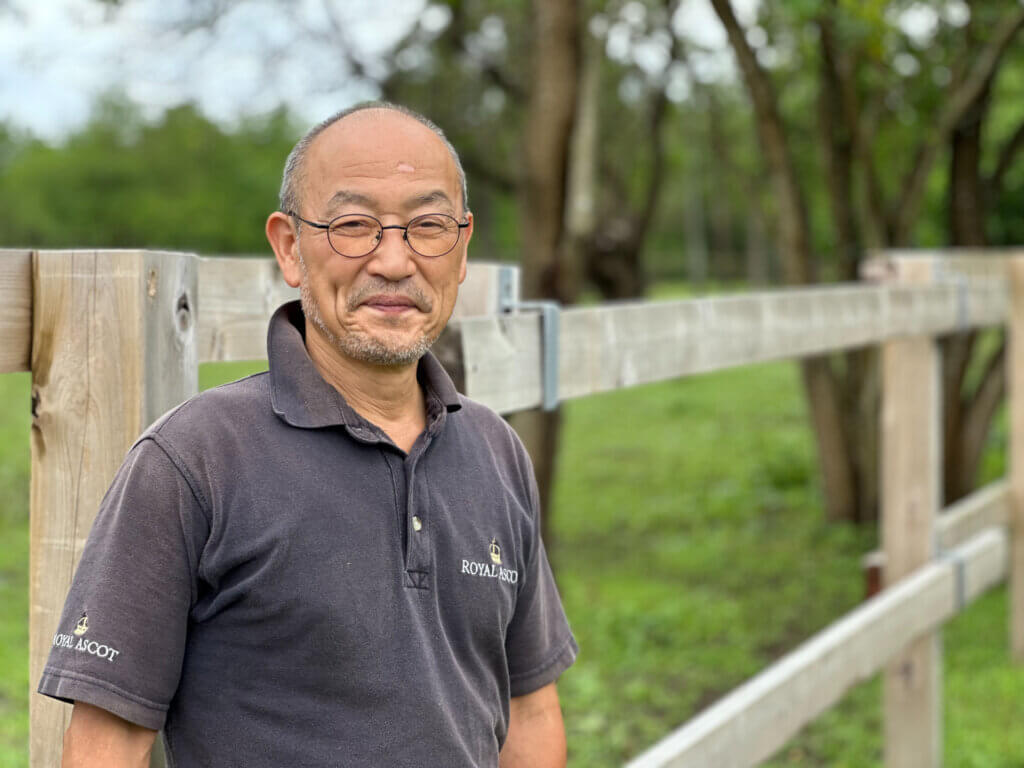
For Sumii, the same sensitivity and awareness that make thoroughbreds elite racehorses may also make them uniquely suited to life after racing.
“Thoroughbreds are bred to win races with a designed pedigree, so they have strong characters, and have very fast reactions to things due to their pedigree,” he says. “Thus, not merely equine-assisted therapies, they are also suited for mental care.”
After the earthquake, Sumii noticed something else. While humans panicked inside collapsing buildings, the horses adapted almost immediately to the broken landscape around them.
“Those horses may be afraid of broken man-made structures, but they walk across the ground ruptures as if there is nothing,” he says. “This makes me think horses have the potential to help with disaster relief.”
Sumii remains hopeful – he says the work retired horses do here goes beyond emotional support. Sumii sees them as practical tools for rebuilding a landscape that depopulation has left behind.
“Recently studies have learned horses can not only live on the grasslands but also in the woods, so they can help people cut the grass in the woods, to open up trails for people thinning the forest. We can make horses cut the grass in these lands, to prepare these lands for people who realize the importance of agriculture and move back here again.”
“The original idea of horse racing was to select the fastest and strongest horses,” he says. “But a slow horse could also mean this horse has an easier character.”
For Sumii, those horses may now have their own purpose beyond the racetrack – not only helping revive abandoned land, but helping damaged communities recover emotionally too.
“If in the future more local communities can provide places like here,” he says, “I really think horses and local communities can save each other.”
The Vodka poster is a reminder of a career in which the trainer conquered the world, then walked away. Sumii measures victory differently these days, winning for him is the way his horses carry hope to a community trying not to be forgotten. ∎