There is a noise a Derby crowd makes that belongs to no other day. It is not the wall of sound of a Japan Cup – but pound for pound it might be the loudest Fuchu gets. It is more urgent, a noise with a held breath underneath it. On Sunday, 84,731 people made it, and they made it in waves.
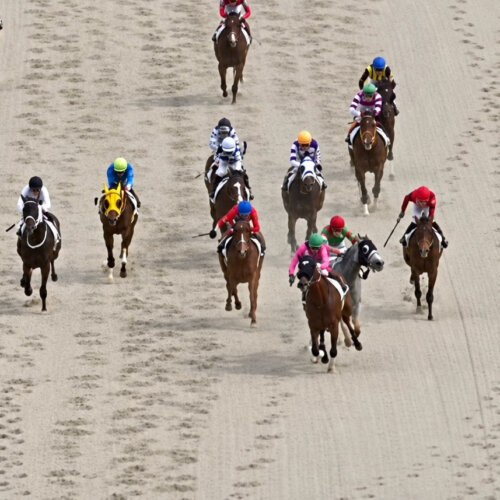
The first pop came before a horse had moved, when the hype reel lit the infield screen and set the scene. The next at the start. Then it built down the backstretch as Yuga Kawada committed Basse Terre to his early run. It rose toward the turn, and rose again into a fighting finish – the winner with his ears pinned flat, neck stretched to the line. Two more peaks were still to come: the roar when the winning number 17 went up on the board, and the warmer, fuller sound of horse and rider returning alone in front of the stand.
It was 32 degrees and felt like more. A day, too, for plushies dangling from backpacks – the soft proof that Japan markets racing to the young without apology, and without pretending the betting isn’t the engine underneath this whole show. The two are not mutually exclusive here; the turnover is positive proof of it. ¥31,619,301,000 – more than US$198m – went through the windows on this race alone, out of ¥49,187,579,700 (US$309m) across the card.
This was also a day when the winner’s temperament would be tested, because Lovcen did it the hard way. He drew the second-farthest outside post in barrier 17, missed his step at the gate, brushed Green Energy on his left, and then raced four wide without cover for most of the 2400 metres.
“We were able to get an even start, and despite the tough draw of stall number 17, we managed to save his energy well in midfield,” Matsuyama said. “In the end, he stretched with a strong closing speed, truly proving his versatility in racing.”
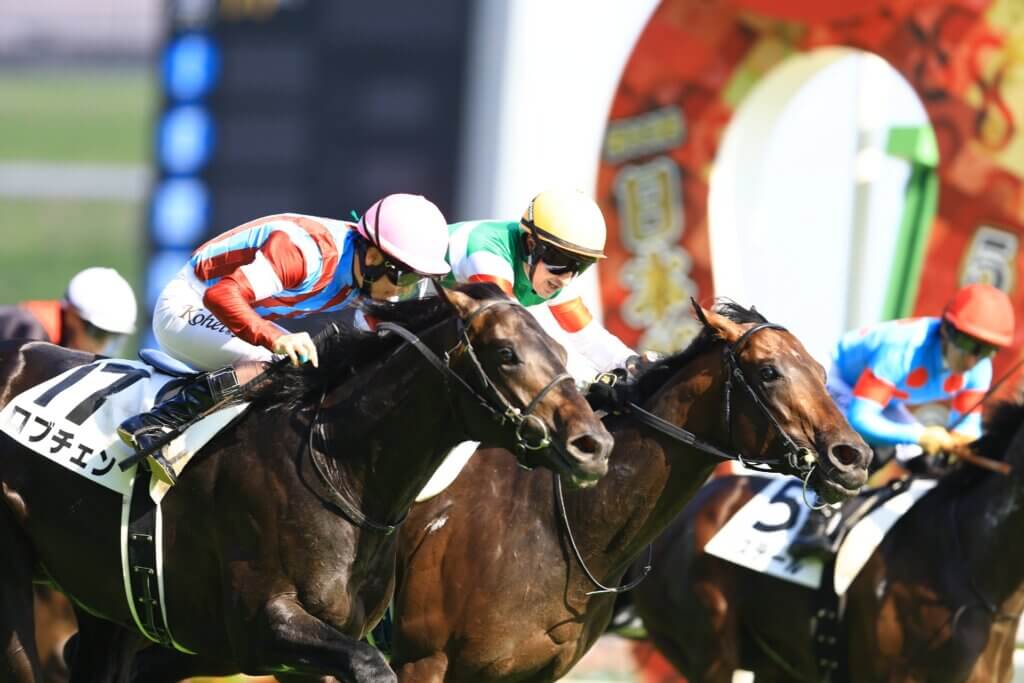
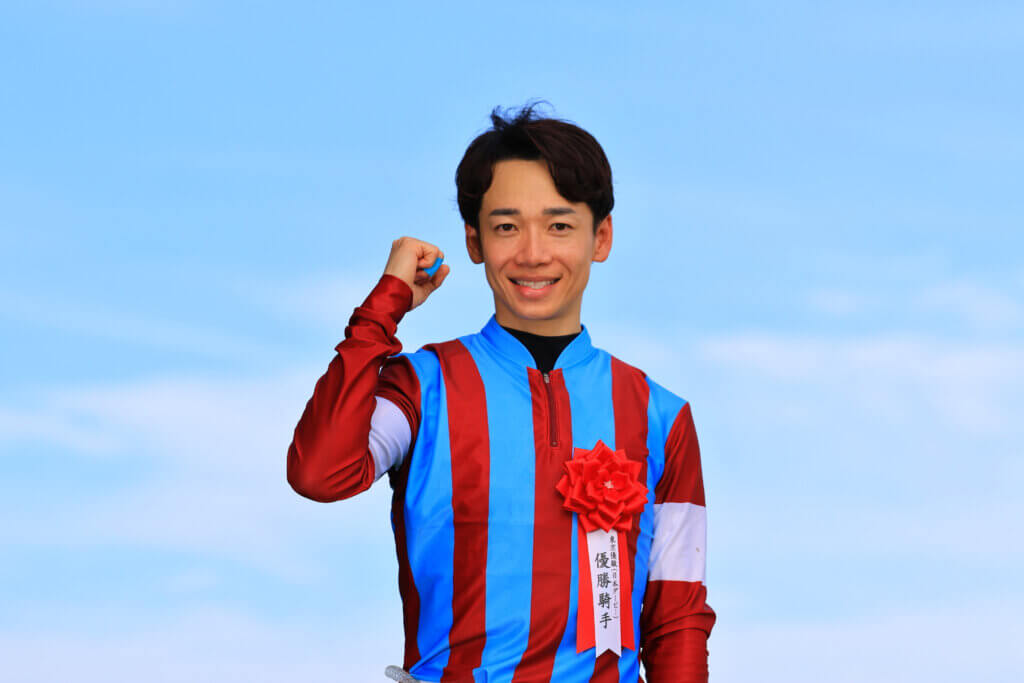
The plan had been to sit closer but the disastrous draw forced a rethink, and Matsuyama made it on the move. “I personally wanted to be near the front and go with the flow, but from stall 17, our position ended up further back than expected,” he said. “However, I switched my mindset firmly right there and rode him while believing in his closing speed.”
Trainer Haruki Sugiyama watched the early shape with his heart in his mouth. “I had imagined him showing a bit more initial speed, so my heart skipped a beat regarding our positioning as we entered the first corner,” he said. His anxiety only grew as the race wore on. “At the fourth corner, he was much further back than I had imagined. Considering the track change as well, I was watching anxiously, wondering if he would make it in time.”
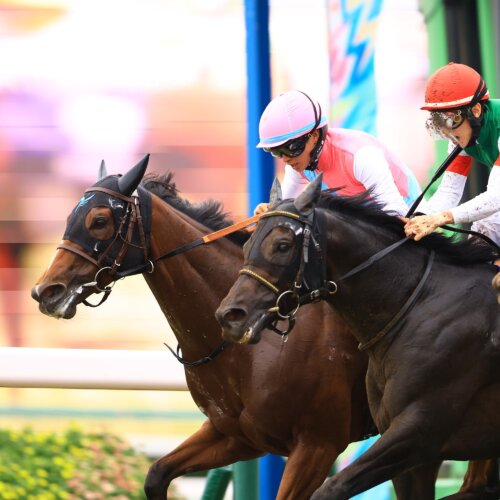
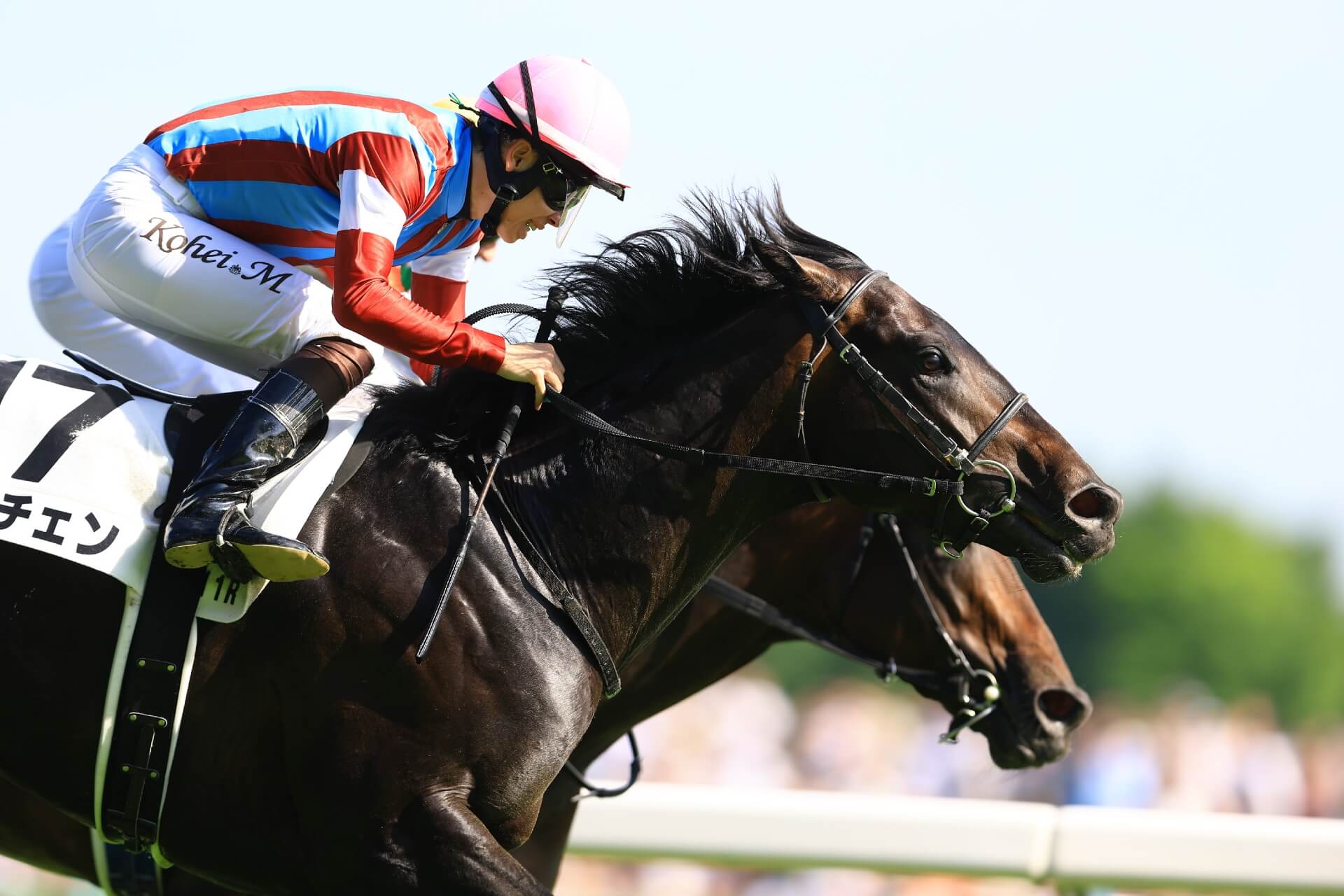
The straight-long battle between Lovcen and Peintre Naif will live long in fans’ memories. Commentators like to say that horses know where the line is, and the slow-motion replay of Lovcen lunging forward, head down at exactly the right moment, is fair evidence for the argument. But the truth is he would have kept finding for as long as his jockey asked and Peintre Naif was a mirror image on his inside, Christophe Lemaire urging his horse for more.
“Right at the very end, just as he changed his lead, I wondered for a split second if we would get there,” Matsuyama said. “But he truly showed incredible grit to chase them down and win. It was magnificent.”
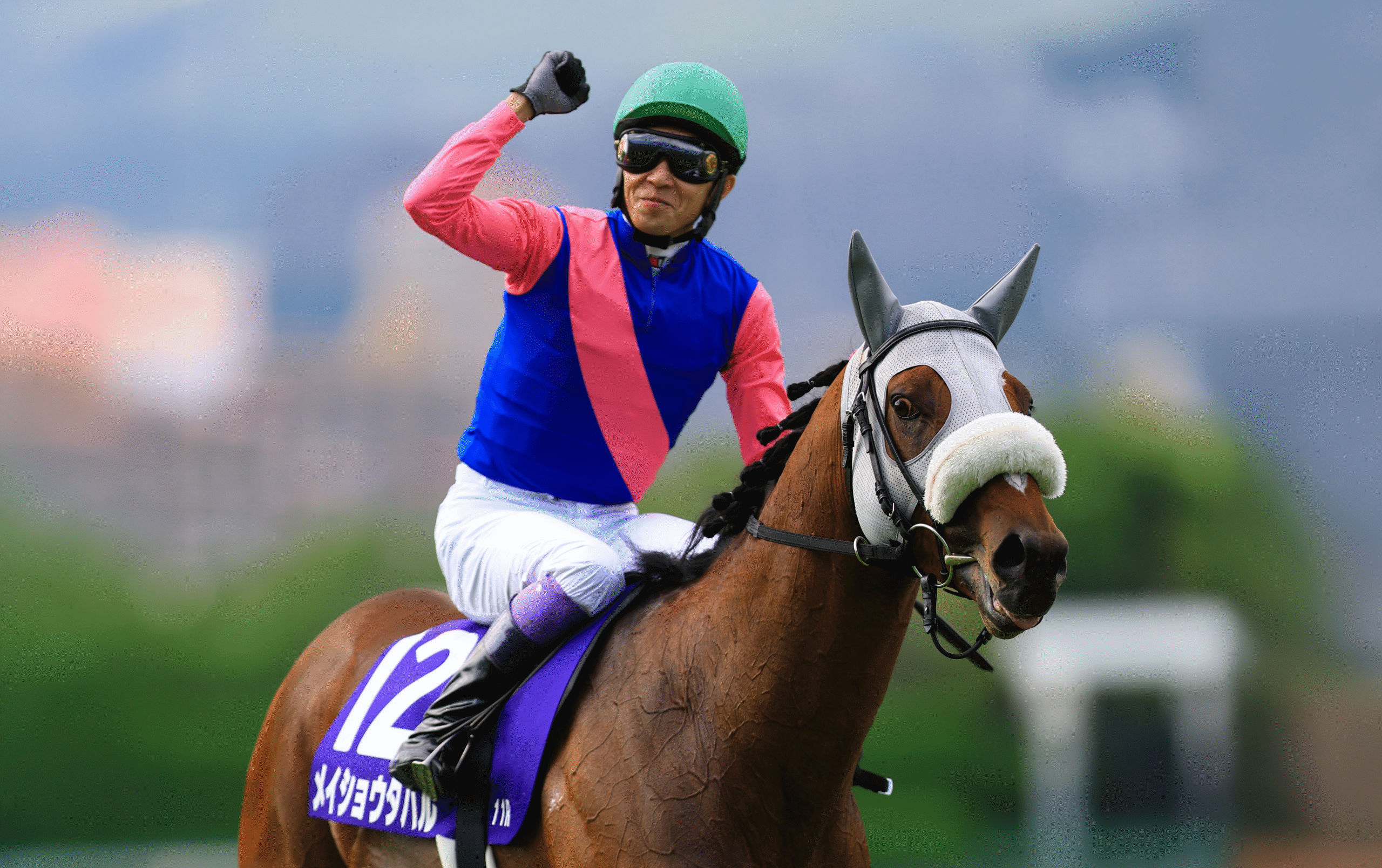
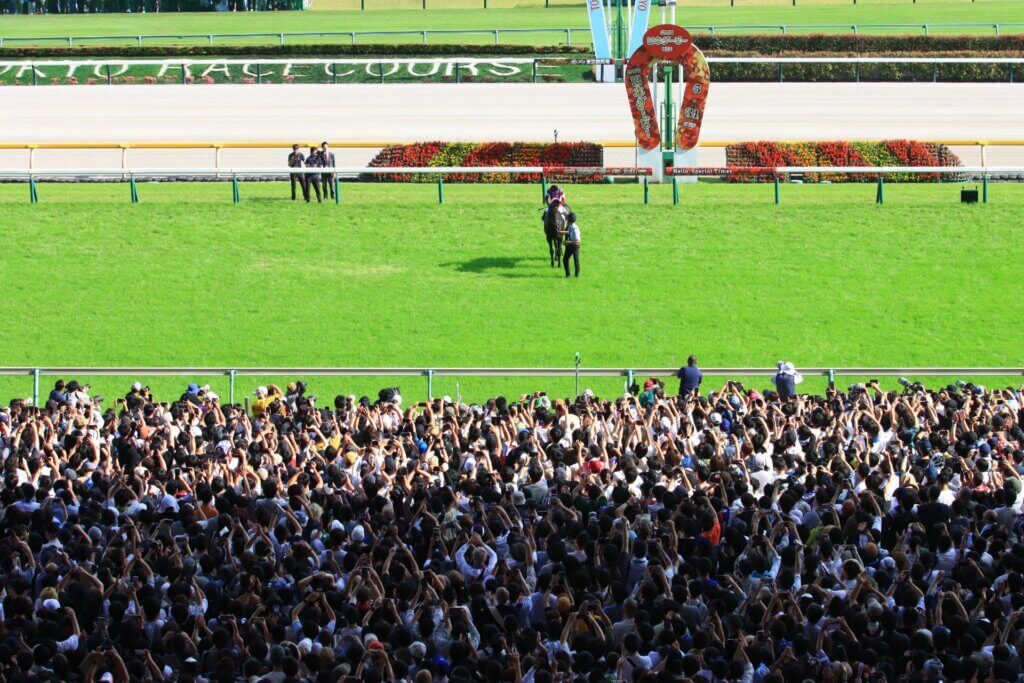
At Tokyo, the beaten horses peel away to the dirt and back to the scales through the tunnel, leaving the winner the course proper to himself – all of the adulation and all of that noise washing off the grandstand. It is the configuration that produces the sport’s iconic images; Deep Impact returning in front of a crowd crammed to the end of the Fuchu straight is the one that endures. On Sunday it was Lovcen’s turn and when Matsuyama felt the roar of the crowd his emotions were unlocked.
“When I was coming back, tears just naturally welled up,” he said. “Usually, tears come when I’m sad, and I’m the type who rarely cries when I’m happy, but this time, they just naturally overflowed.”
He has ridden a ‘Triple Tiara’ winner home before, aboard the filly Daring Tact. This felt like something else again. “I think there might have been a tiny bit of that when Daring Tact won her third crown, but I felt far more overwhelmed with excitement today,” he said. “It made me realize, ‘So this is what the Derby is like.’ It was a completely different kind of view for me.”
They say the Satsuki Sho is won by the fastest horse and the Tokyo Yushun by the luckiest. Lovcen won the first leg in record time, gate to wire, the fastest of his generation. Having his head down at the right instant at the end of 2400 metres is luck of a kind, too. The third leg, the Kikuka Sho over 3000 metres in October, is reputed to be won by the strongest. Sunday’s race suggests Lovcen doesn’t lack any toughness.
By pedigree, the trip should hold no terror; his sire World Premiere – by Deep Impact – won that very race, and a Tenno Sho Spring over 3200 metres besides. The temperament, which received a searching test in Sunday’s sweltering conditions, looks built for it, too. Sugiyama keeps returning to one quality. “When heading into a race, he doesn’t get overly agitated,” the trainer said. “I think this clear ability to switch between ‘on’ and ‘off’ is one of this horse’s core strengths.”
For now there was only relief, a hard job survived in hard conditions. “To be honest, there was pressure, but I am relieved that we were able to show how strong Lovcen is,” Matsuyama said. “More than anything, I just wanted him to come back safe. It was hot today, and I think he must be a bit tired, but this isn’t the end.”
Many big racedays around the world these days end with a DJ blasting music across an emptying lawn. Tokyo on Sunday did it differently. After the last, with the sun dipped and a breeze finally cooling the place, a string ensemble sat in the parade ring and played while two magnificent dressage horses performed for the few thousand who had stayed. It was a graceful coda, and a fitting one, because Derby day, more than any other, is about the horse. The horse was Lovcen and the third leg of the Triple Crown awaits.
“I believe he can step up another level or two,” Matsuyama said. “So I am very excited about it.” ∎