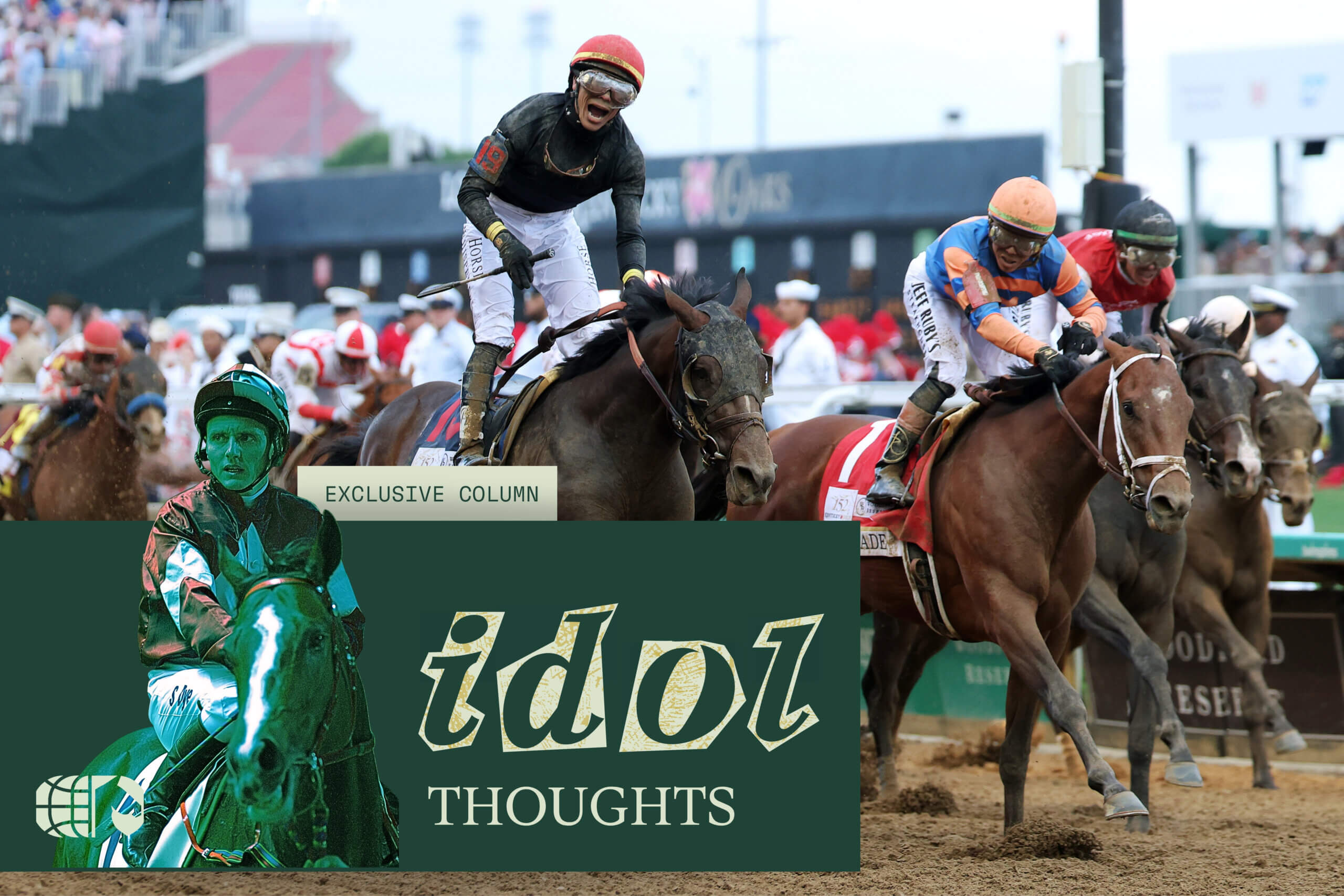
Jose Ortiz’s ride on Golden Tempo in the Kentucky Derby – beating his brother Irad in a fighting finish – was exceptional. A ride that deserves to be studied. And a perfect example of why I believe some of the best jockeys in the world right now are based in America.
The two greatest riders I’ve seen are Lester Piggott and Gary Stevens. I rode against both. Stevens was American – I’ll come back to him, because his story is worth telling. But first, what Jose Ortiz did at Churchill Downs, and why it was so good.
Golden Tempo was a 22-to-one outsider, drawn in the middle. Ortiz crossed the field, settled the horse at the tail and let them go. He was 30 lengths off the leader at one point. At no stage did he push and try to be closer. To do that takes enormous self-belief. You have to not care what anyone says. You have to trust that you’re doing the best thing for the horse – not the safest thing for your reputation.
Most jockeys ride not to lose – they take the percentage play, avoid criticism, stay safe. Look at Christophe Lemaire on Masquerade Ball in the QEII Cup the week before. He rode the safe race and, I believe, didn’t give his horse the best chance.
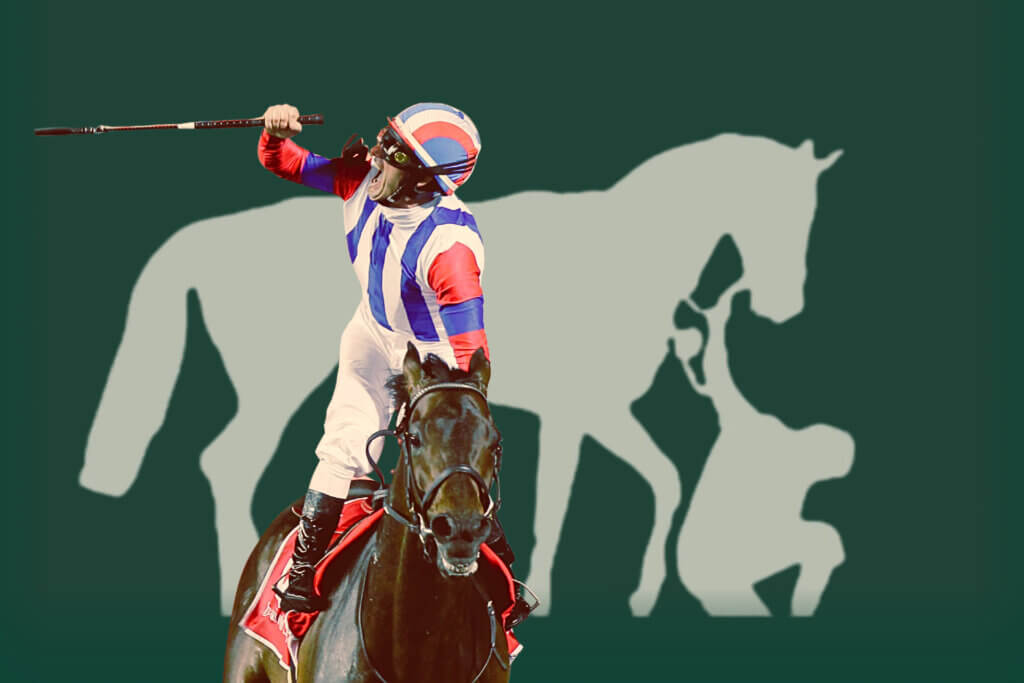
Ortiz did the opposite. At around the 1000-metre mark, he went to come out wide – you can see it perfectly on the overhead drone shot. Then, in a split second, he spots his brother Irad’s colours ahead, switches back inside and tucks in behind him. That decision won the race. It saved ground, saved energy, and gave him a cart into the straight on Irad’s back.
He peeled off at the 200 and had all the energy in the world.
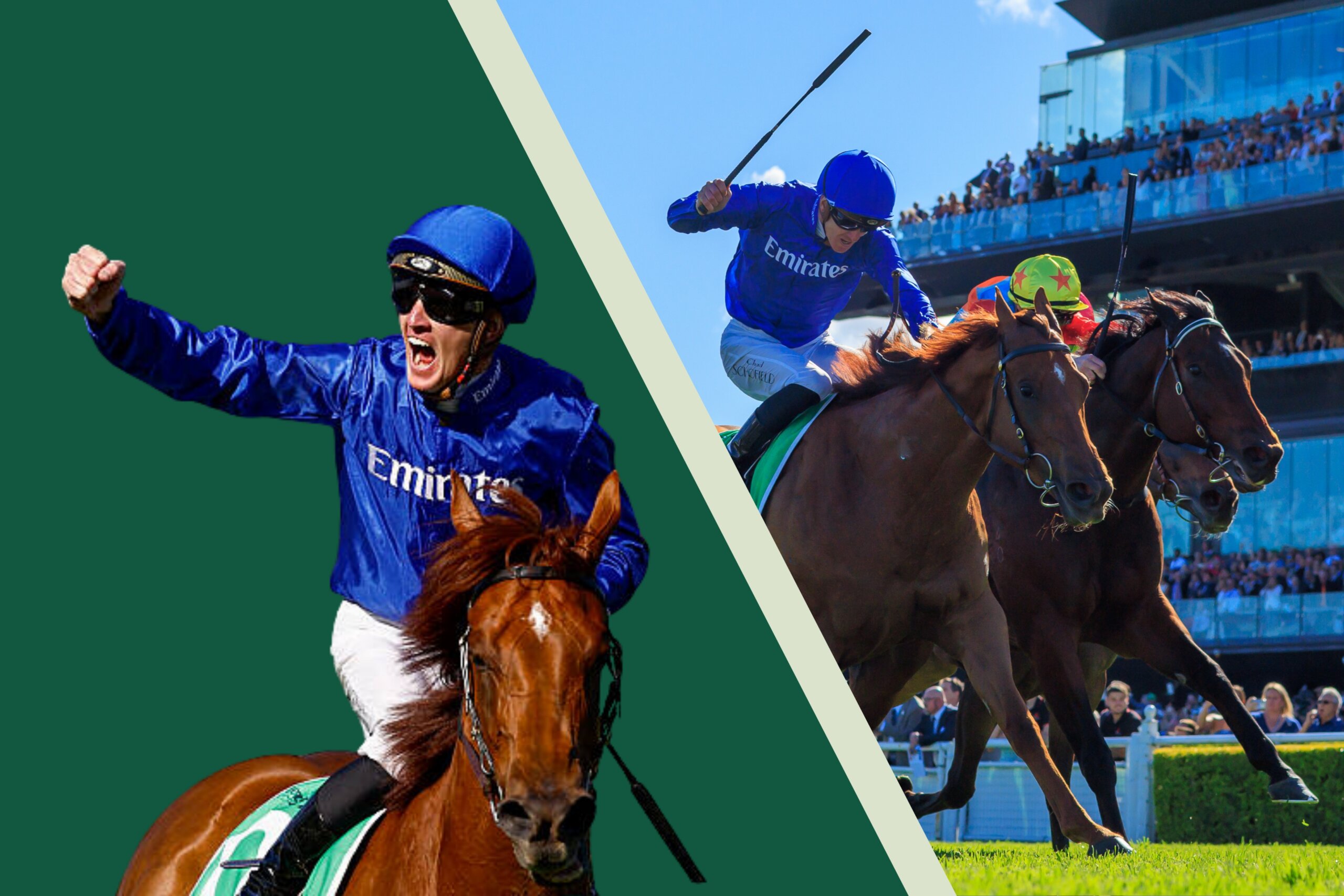
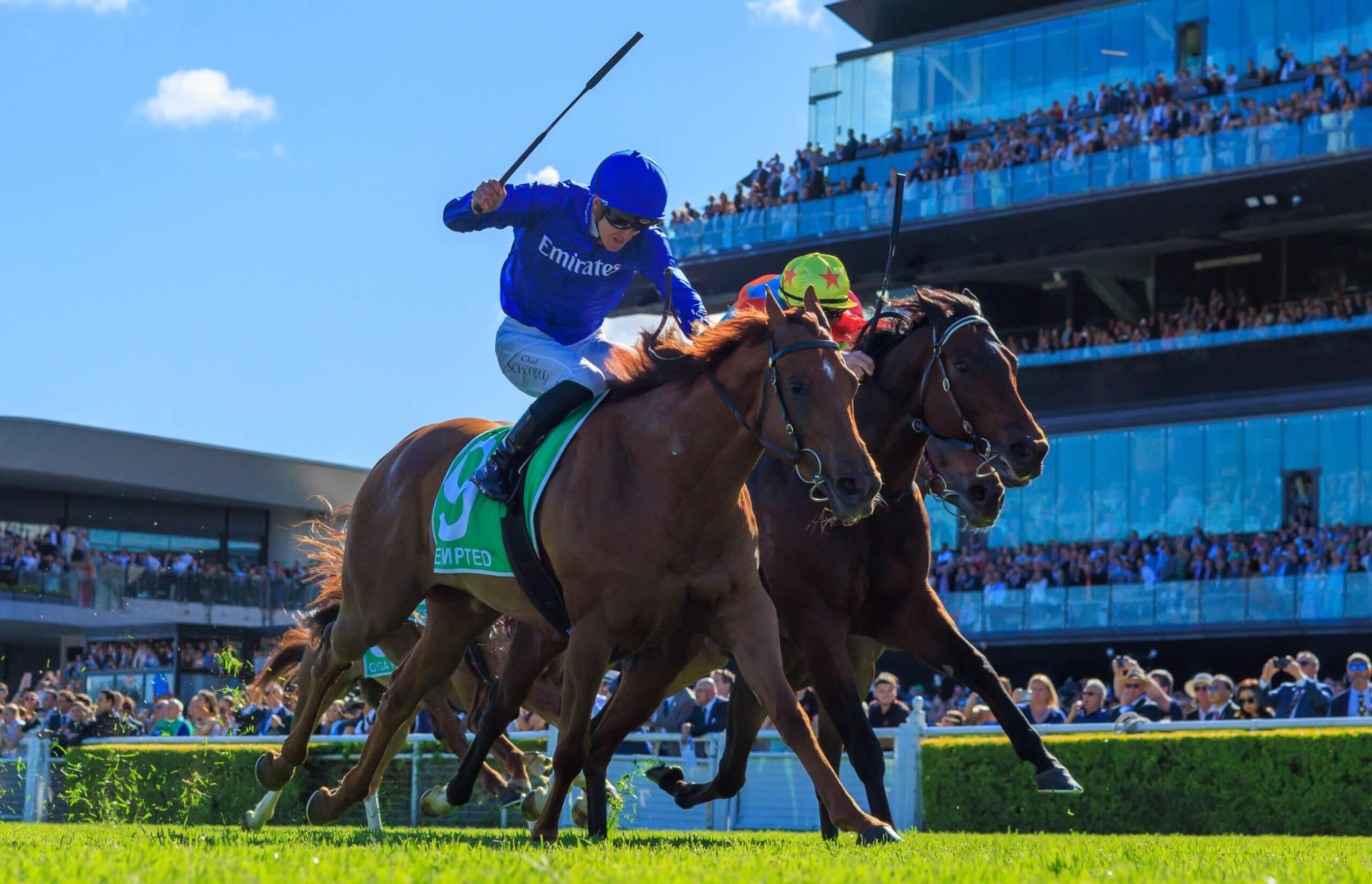
Now, his brother Irad rode an incredible race too. Many good judges rate him the best jockey in the world. Watch his finish on Renegade. At the furlong, he hits the horse once in the right hand – hard – and within one stride switches to the left and cracks it again. The strength is unbelievable. It’s a skill you don’t hear talked about enough – switching whip hands quickly, in rhythm. Moreira does it brilliantly. But the Americans hit harder. It’s clean, sharp and devastating.
Those boys ride over 300 winners a year. Irad’s mounts earned over US$40 million in prize money last season – a world record. Jose’s earned US$34 million. At 10 per cent of the winner’s share, they’re taking home serious money. James McDonald’s best season in Australia was A$36 million – at just 5 per cent of stake money, that’s about A$1.8 million. Irad’s 10 per cent of US$40 million is roughly A$6 million. There’s no comparison.
Ask the top jockeys around the world where the best riders are based and most will tell you America. But in Australia and Hong Kong, we don’t watch enough American racing. It’s a different style and we don’t always understand it. So jockeys based in America don’t get the respect they deserve from us.
I’d love to see American jockeys take short stints in Hong Kong. They’d thrive. But the financial equation doesn’t stack up. The good ones earn too much at home. And wherever American citizens go in the world, they still pay US tax – so Hong Kong’s low tax rate, one of the great appeals for overseas riders, doesn’t help them the way it helps an Australian or a European.
It’s a shame, because when Gary Stevens came in the 1990s and rode brilliantly, he proved it can work.
“The Best I’ve Ever Seen”: Gary Stevens And The Ride That Changed My Mind
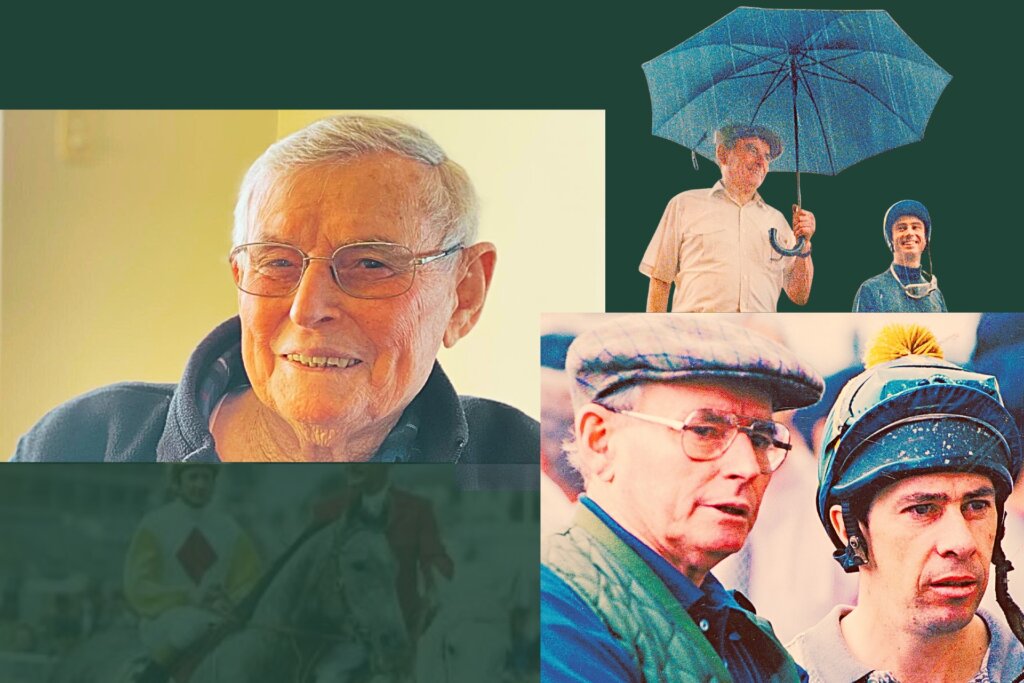
My eyes were first opened to American riding in 1986. I was 20 years old and I was in Los Angeles riding at the Hollywood Gold Cup meeting. Gary Stevens was the leading jockey in California. He was only a couple of years older than me but he was something else. He rode 15 winners that week in Los Angeles. I’d never seen anything like it.
I come from a New Zealand and Australian background. In those days, the style was all about power. Jockeys like Mick Dittman – the Enforcer – could stand over any horse. That was what we valued. Strength, aggression, dominance.
Stevens didn’t look strong in the way I was used to. But horses ran for him in a way I couldn’t explain. He had balance that was almost supernatural. I remember racing against him overseas one day. I was sitting three-deep with cover on the turn, travelling well – thinking I was going to win – and he was out four-wide, outside of me, with nothing in front of him. His horse looked gone – he was pushing it with 800 metres to go. I thought his horse had no hope of winning.
Guess what? It won.
I went back and did the form. His horse was an outsider. It had no form. How did he win on it? That question stayed with me. It changed the way I looked at riding.
Gary once said something to me I’ve never forgotten. He said: “Shane, the difference between us is I can put a glass of champagne on my back while I’m riding a finish and it will still be there at the end. You can’t do that.”
He was right. The American style is so still, so polished. They push from the shoulders – push, push, push – and they stay in rhythm with the horse. It looks effortless, but when you see their physique, they’re incredibly strong. It’s just a different kind of strength. Lester Piggott was the same. Gary mentioned Lester to me once and said: “Even Lester couldn’t do it. He just whacked them.” They were both right, in their own way. Horses ran for both of them, they just got results in different ways.
Stevens came to Hong Kong for a three-month stint in the 1994/95 season and was sensational. He rode 20 winners from 89 rides – a 22.5 per cent strike rate. That’s an extraordinary number for a short-term licence holder in Hong Kong, where it takes most jockeys a full season just to learn the tracks and the system. He walked in cold and dominated.
What was interesting about that stint, is that he sometimes sat wide on horses – which is unusual in Hong Kong and generally doesn’t work – but horses tried for Gary in a way that they didn’t for other jockeys. He had a special gift.
I spoke to Gary only last week. He retired in 2018 after another surgery and he has had a rough go of it physically lately – another back fusion, reduced feeling in his legs and arms for a while. He’s starting to come back. But the injuries from all those falls over the years have taken their toll. Getting old is no good after a career like that.
He’s a good bloke, Gary. And he was, alongside Lester Piggott, the best I’ve ever seen. ∎