
If you were to look at a map of Australia, put a blindfold on and then try to put a dot where you thought the centre of the big, brown country was, there’s a chance you wouldn’t be far from a place called Marree.
It’s so remote, the nearest town with services is a four-hour drive away. Residents would head across the outback to Birdsville and stock up on supplies, load their cellars, and know they wouldn’t be back for months.
Marree was an old railway town, but it’s been a long time since a train rattled through the dust.
At last count, its population was just 65, maybe double on Friday nights. The hotel in Marree would host the good folk who run cattle stations in the vast, red desert in Australia’s heart. A plane would fly into town once a week … to deliver the mail.
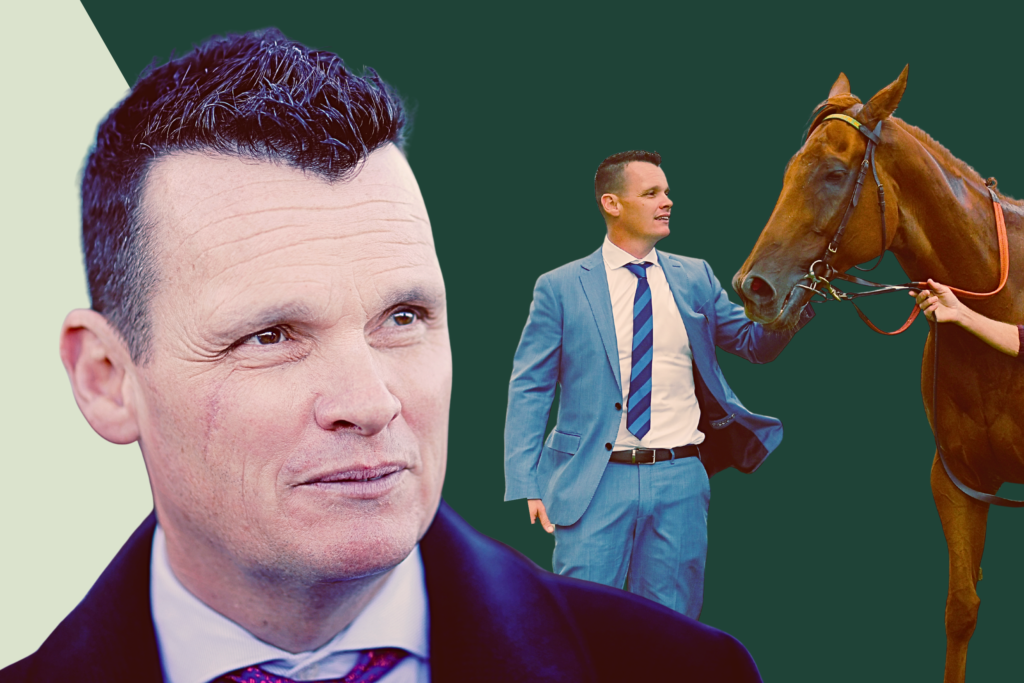
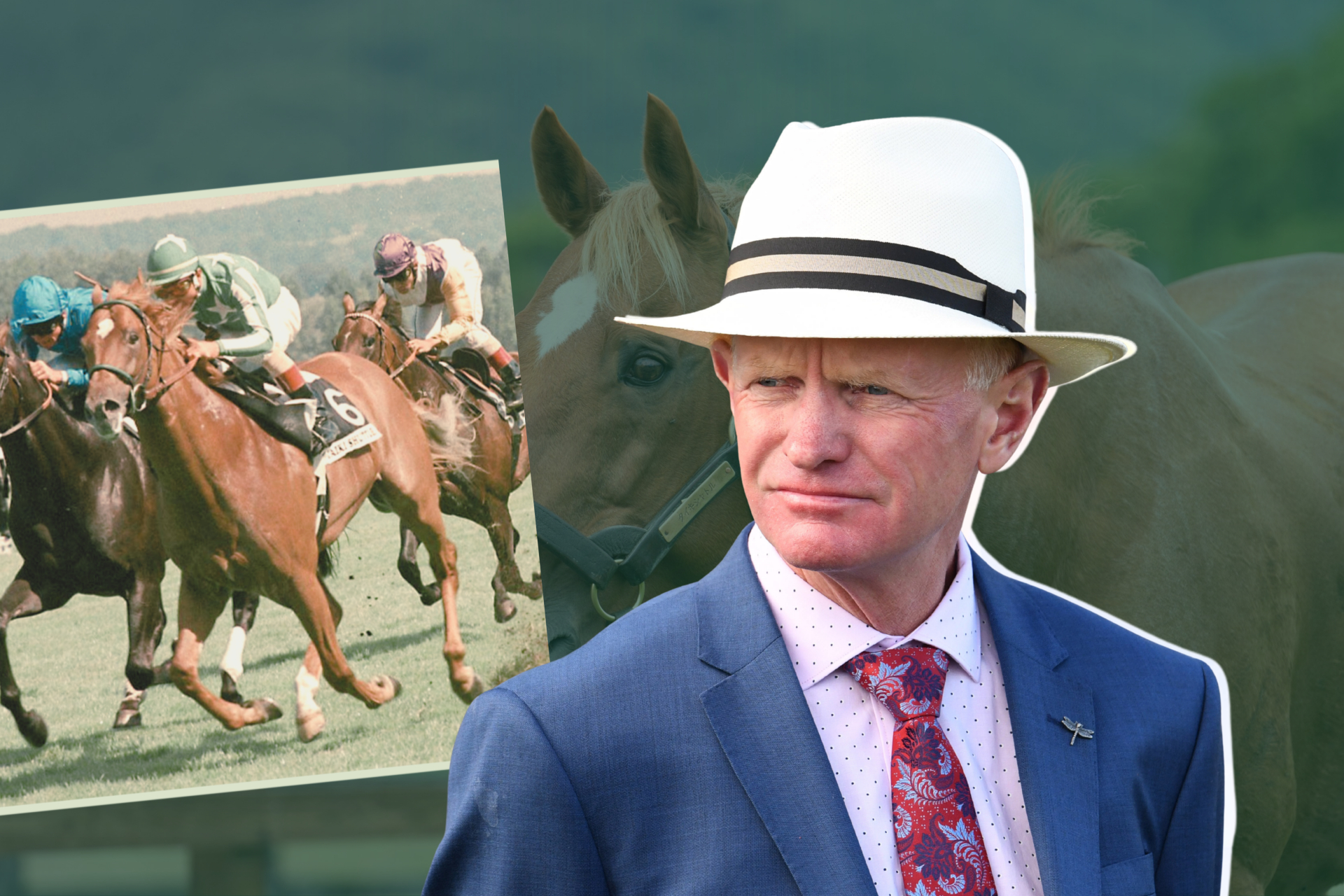
They’re far too humble to name landmarks or put up statues of famous townspeople, but it’s fair to say few from Marree have travelled afar or achieved as much as Phillip Stokes, who was “riding horses as soon as he could walk” while his dad looked after some of the most isolated stations in Australia.
Given that background, it isn’t surprising that Stokes is an unassuming type, someone who grew up doing his schooling via radio and comfortable in his own company, and with nature. But he’s also a fascinating case study in how horse racing can take you from the middle of nowhere to grand places: a stopover in France, a decade in Japan where he met his wife, New York and the finishing school of Bill Mott.
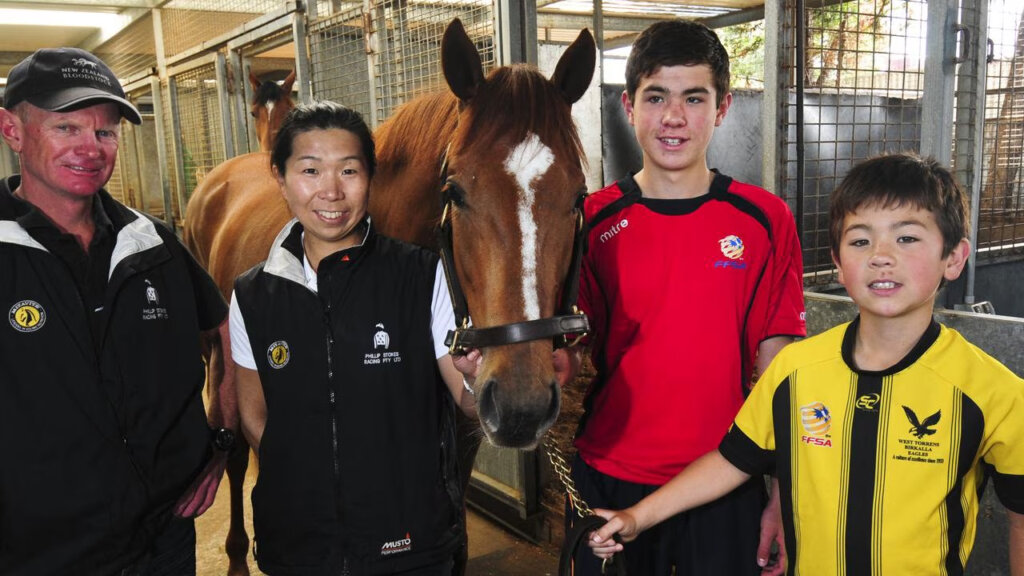
And all the way back home again, where he’s now one of the most astute trainers in Australia at the helm of a family business with wife Ayumi and sons Tommy and Kerrin – who both represented Australia in under-age soccer – working by his side.
“I think what’s driven me more is both the boys are so interested in the business,” Stokes says. “If they weren’t as interested in it, I probably wouldn’t be as interested myself because it’s bloody hard work.”
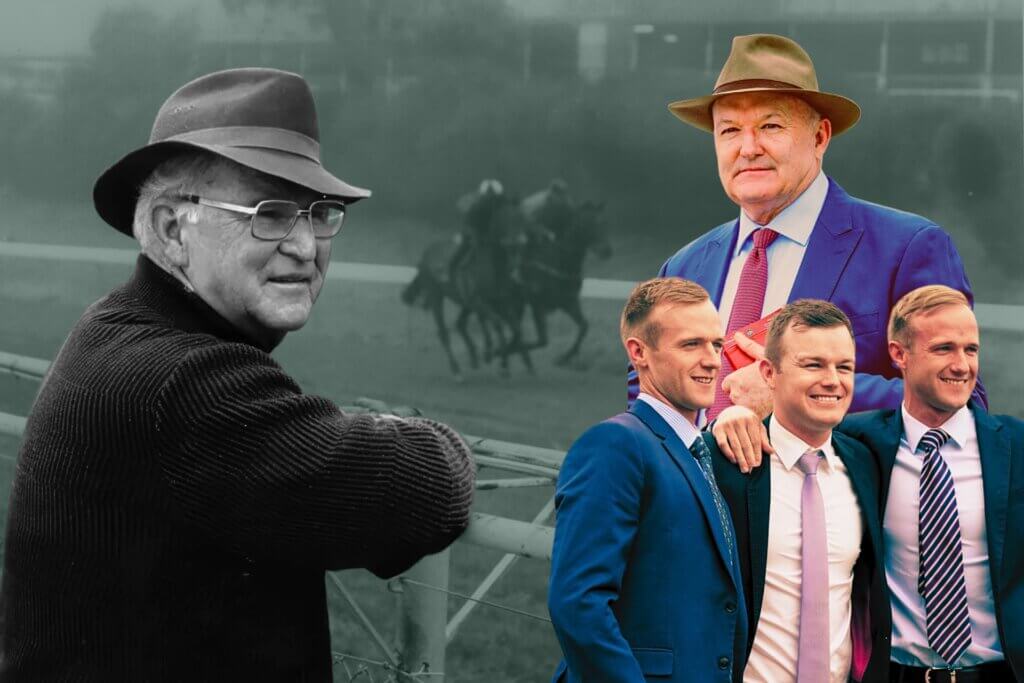
Stokes’ introduction to horses was almost out of necessity, rather than desire. His father Ron was a colt breaker who taught him everything he needed to know. In his childhood, Stokes would be gone for weeks on end at cattle camps.
“It was a completely different lifestyle,” he says. “We had to use horses for work, not recreation.”
It probably wouldn’t have been much of a surprise when by the age of 15, Stokes was done with his School of the Air education – a way for children in remote communities to learn via the radio – and set his sights on becoming an apprentice jockey.
His dad had an association with an Adelaide trainer, Joe Hall, the father of Melbourne Cup winner and Hong Kong champion conditioner David Hall. Joe Hall had spent 17 years with Bart Cummings, so if Stokes couldn’t learn from him, who could he learn from?
But like most kids, he found his apprenticeship tough. He worked hard, but rides were scarce. In those days, no matter how few rides you had, once you turned 21, the apprenticeship finished. No extensions.
Stokes tried his luck with an Alice Springs trainer by the name of Viv Oldfield, who later became one of the biggest landowners in Australia with sprawling cattle stations and drilling rigs. Many were bought from Gina Rinehart, an Australian billionaire and one of the country’s richest people. Stokes loved his time with Oldfield, riding up to Darwin, but by the end of his apprenticeship, his weight was ballooning and his mind was curious.
He wanted to be a trainer, but thought it would be better to do it at the age of 30 – not 20. So, he went to France and Chantilly.
“It was a bit different to the Northern Territory, I can tell you,” Stokes laughs.
There’s a lot of John Hammond and French influence in what Stokes has done during his career, but there’s no doubt Japan has the most profound impact on him, both professionally and personally.
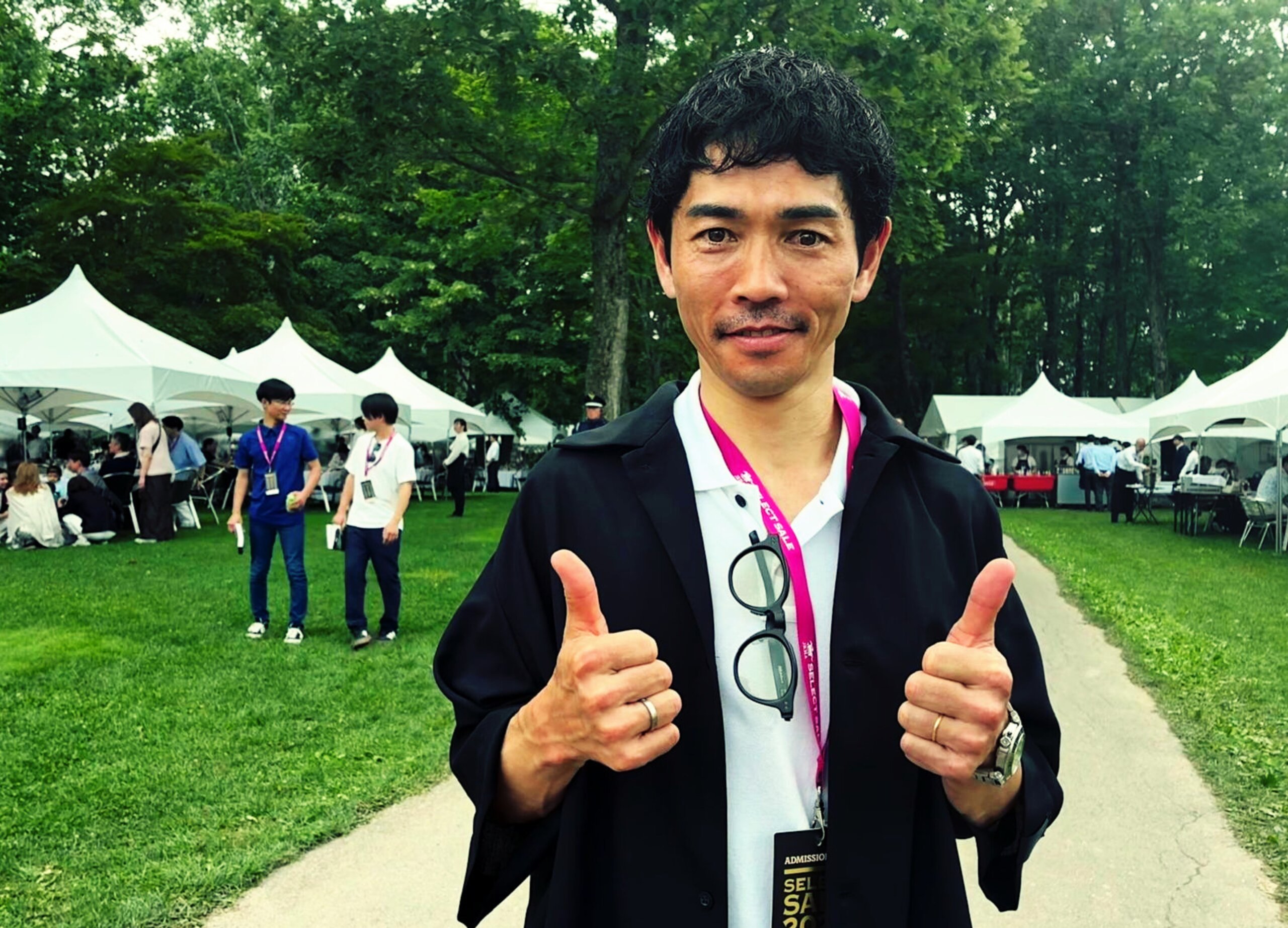
Stokes spent most of his time working at Taiki Farm, a global powerhouse back in the 1990s, and a place where Stokes devoted himself to horses and learning the language. He did both, but there was one horse which took him to places he never thought possible: Taiki Shuttle.
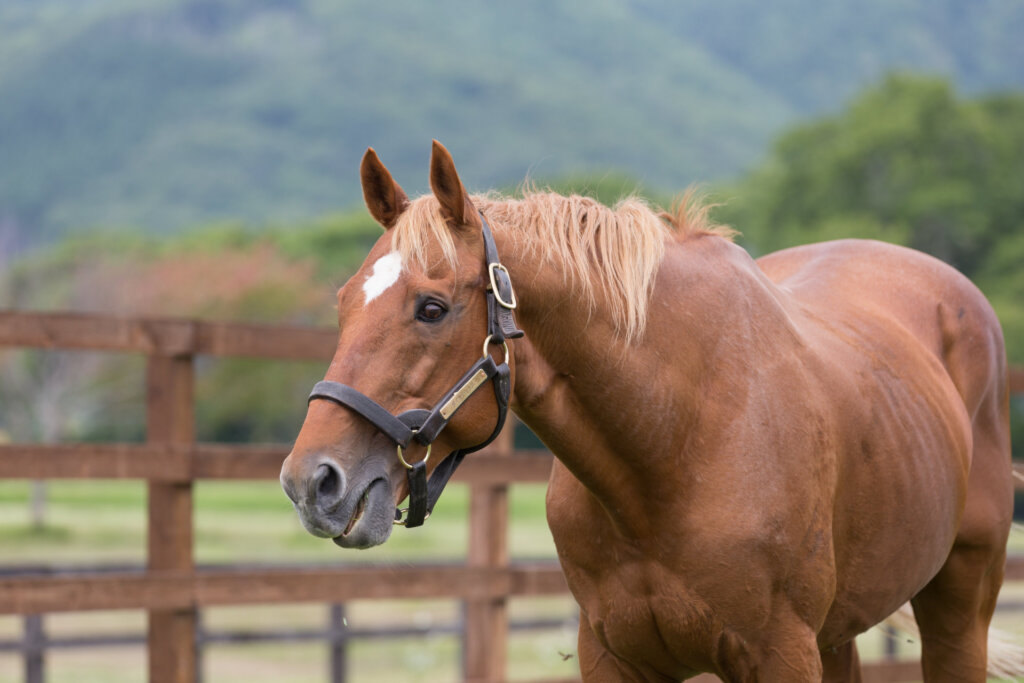
The chestnut with a white star on his forehead was a cult hero of his time, a two-time Mile Championship winner and Yasuda Kinen hero who went to France and won the Prix Jacques Le Marois. He was the Japanese Horse of the Year in 1998. By the following year, he was in the JRA Hall of Fame.
Stokes was the one closest to him.
“I remember the first morning he came to us from Ireland (after being broken in),” Stokes recalls. “He had this bad habit of rearing up. He came out on two legs and I gave him a good rev up and brought him into line, but he bolted on me.
“At the end of the gallop we were on, there was a big cliff. I just missed it. Thank God we didn’t go over that because that would have been the horse done before we even started. He never did it again.
“He was a beautiful mover, but he had quite bad feet. That didn’t stop him. He used to float over the ground.
“For me, I just thought I wanted to do something completely different, and you could even see back then, Japan was going to be great. They were doing good things in their breeding industry. You just had a feeling. Now, they’re the world leaders.”
After meeting Ayumi and having son Tommy born in Japan, did Stokes consider staying?
“I could have almost stayed there,” Stokes says. “One of the Japanese trainers said, ‘maybe sit the trainer’s licence to get into the JRA.’
“I’m pretty sure I’m still the only foreigner to sit the JRA test (as a trainer).
“Basically, to pass it you’d want to be a Year 12 A grade student, which I wasn’t even in English. The actual test was nothing to do with horse racing, but more to do with your academic skills.
“But not many people can say they’ve done that test.”
His mind still inquisitive and with a desire only building to one day be a trainer in his own right, Stokes also travelled to the United States to watch Hall of Famer Bill Mott up close. “That was incredible to see too, the American way of racing,” Stokes says.
But by now in his 30s and with Tommy readying for schooling, Stokes finally plucked up the courage to move back to Australia and start his own training business. He went straight to Adelaide where he bought some boxes at Morphettville. He always buys, not rents, and the same stables are still in the family to this day. But there were few horses to fill the boxes, apart from the ones his dad gave him.
“Back in 2000, I’d looked after multiple Group 1 horses, but that counted for nothing,” Stokes says. “I had to get horses. I started with nothing. I twiddled around with a few horses and worked on our strike rate.”
Some train for scale, particularly in the modern era of mega stables swallowing up field sizes and the associated prize money, but Stokes has always been different. He’s wanted small to medium- sized teams, preferring to wait for the right races, and getting noticed by his strike rate (winners to runners ratio). It worked.
One of Australia’s leading studmasters, John Messara, took notice and started supporting him as Stokes started climbing the Adelaide trainers’ premiership ladder with his trademark broad brim hat.
For years, he was a favourite of punters, particularly when he crossed the state border for wildly successful raids on the Melbourne spring carnival. By 2019, he’d outgrown Adelaide after multiple trainers’ premierships, and wanted a permanent base at Pakenham, on the outskirts of the city. He found a parcel of land – which he bought, not rented – and developed private training tracks and a swimming pool for a maximum of 50 horses. He came across with just six, but now the ‘house full’ sign is up.
Crucially, Tommy and Kerrin have drifted away from promising soccer careers – Kerrin was a member of the Melbourne City side which won premierships and a grand final in Australia’s elite A-League – to help the business. Tommy is with his dad at Pakenham, Kerrin running the Adelaide operation.
On Saturday, Stokes has the chance to score the biggest win of his career when he saddles up Stretan Ruler in the A$5 million Golden Slipper at Rosehill Gardens. The colt won the Silver Slipper and was a fast-closing second to Paradoxium in the Todman Stakes, a fortnight before the world’s richest two-year-old race, which can make or break a future stallion career and even the lives of those who prepare them.
The mounting yard in the minutes before the Golden Slipper is a fascinating exercise in people watching. But few will be as calm as Stokes, who might be the only one in the middle of the commotion who can legitimately tell you what it’s like in the red centre of Australia.
“It will be a long way from Marree – put it that way,” he says. ∎