
Sydney Racing’s War Moves To The Supreme Court
As regulator and race club turn on each other days before Christmas, the future of Australia’s biggest racing jurisdiction is being decided by judges, not horsemen.
Sydney Racing’s War Moves To The Supreme Court
As regulator and race club turn on each other days before Christmas, the future of Australia’s biggest racing jurisdiction is being decided by judges, not horsemen.
22 December, 2025A WEEK BEFORE Christmas, a New South Wales (NSW) Supreme Court judge is hearing an emergency case about a power struggle in Sydney racing when he quips: “the last time I went to a racecourse, the only thing going around it was the Pope mobile”.
A few people in the gallery chuckled, and Justice Francois Kunc freely admits horse racing is not an area of expertise, even if he attended Royal Randwick for the visit of Pope Benedict XVI at World Youth Day in 2008. If only it was a laughing matter.
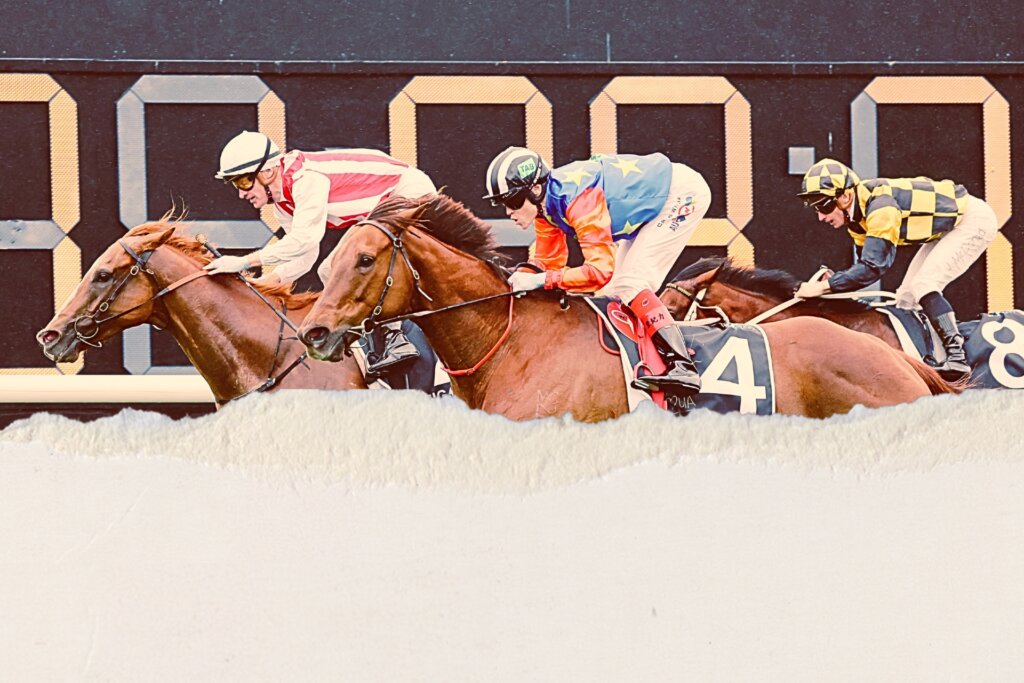
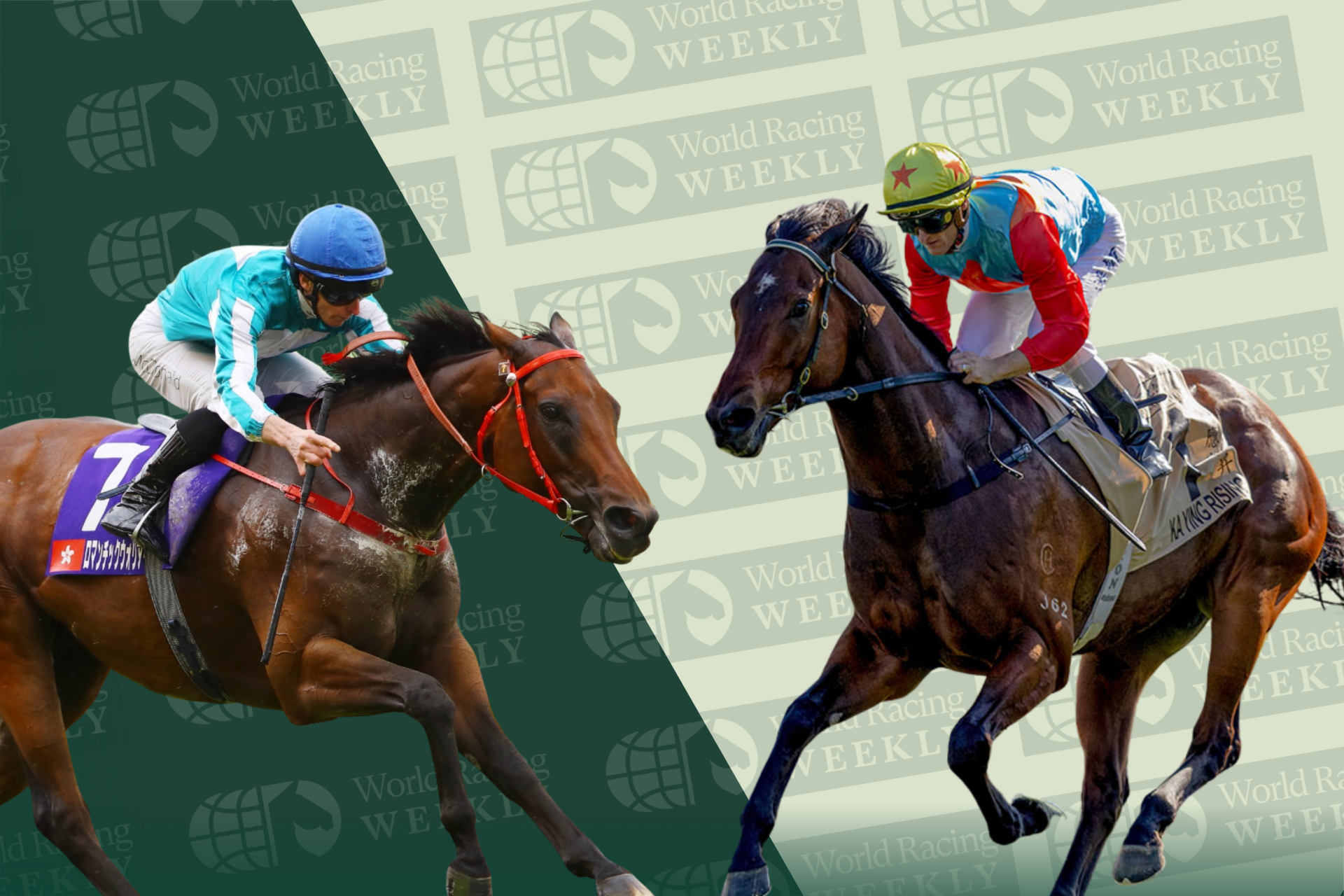
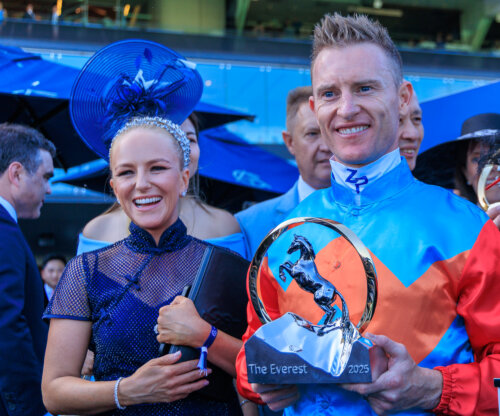
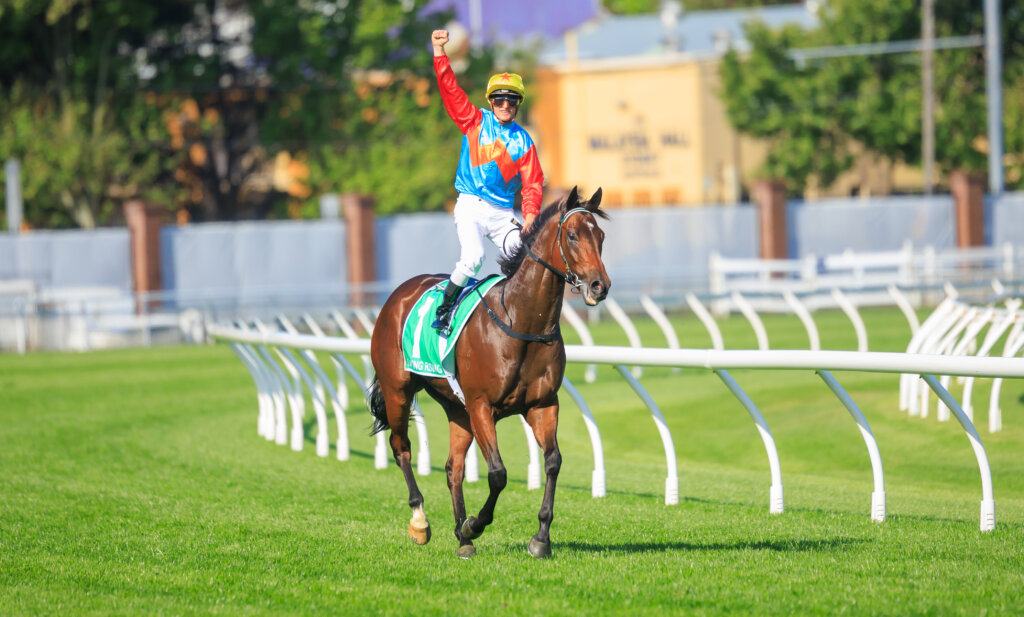
In a year in which Hong Kong megastar Ka Ying Rising won the A$20 million The Everest, perhaps the most anticipated race in Sydney since Winx’s racetrack farewell in 2019, the absurdity of NSW racing is being played out in Court 8A of the NSW Supreme Court as the ferocious struggle for power and control gathers pace in the holiday season.
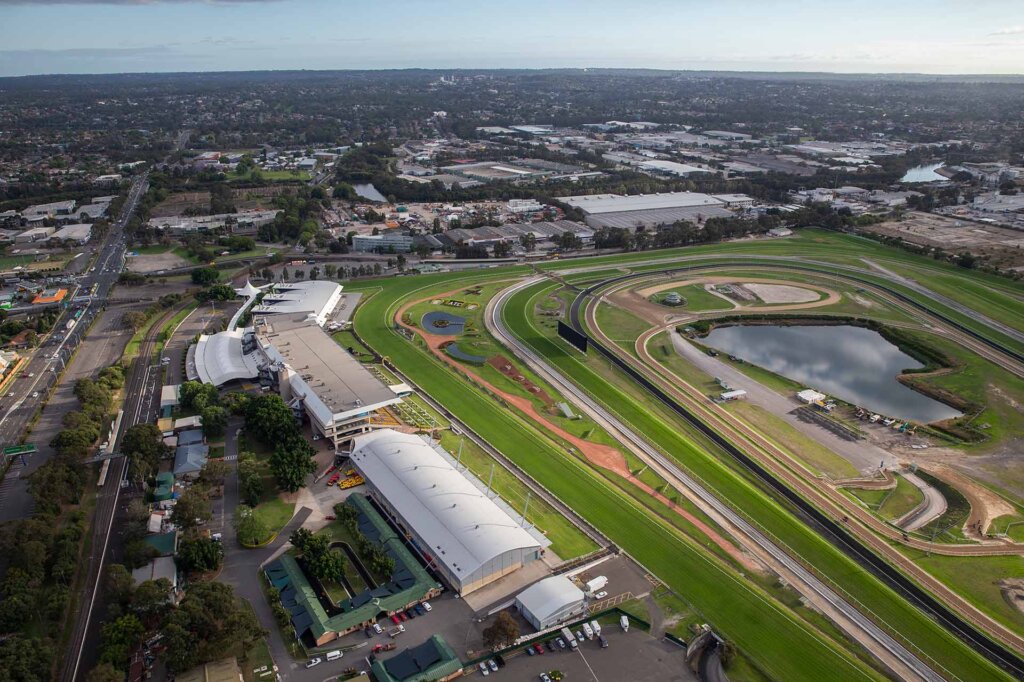
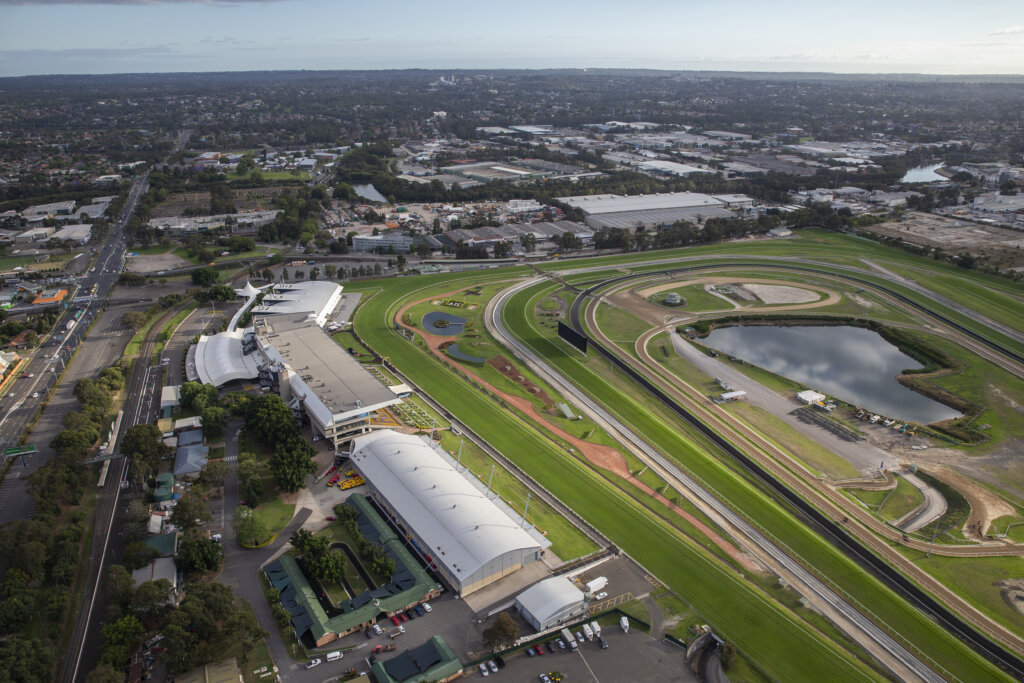
Justice Kunc is hearing an emergency application from the Australian Turf Club (ATC), Sydney’s sole race club, which conducts meetings at Royal Randwick, Rosehill, Warwick Farm and Canterbury, to not be put into administration and have its entire board removed after action from the regulator, Racing NSW.
The sport in Australia’s biggest city is officially at the crossroads, its struggle for power at its peak and everyone is happily airing their dirty laundry for all to see in an open court.
The real shame of an ugly battle between a regulator and its single most important club is the industry money which will be frittered away as a result. A judge can determine a winner and loser, but the real victors are the silks clipping their ticket with front row seats for a fight few want to see.
Scott Robertson SC argued the case of the ATC, and he’s well known for grilling former NSW Premier Gladys Berejiklian during the Independent Commission Against Corruption which brought down one of the state’s most likeable politicians.
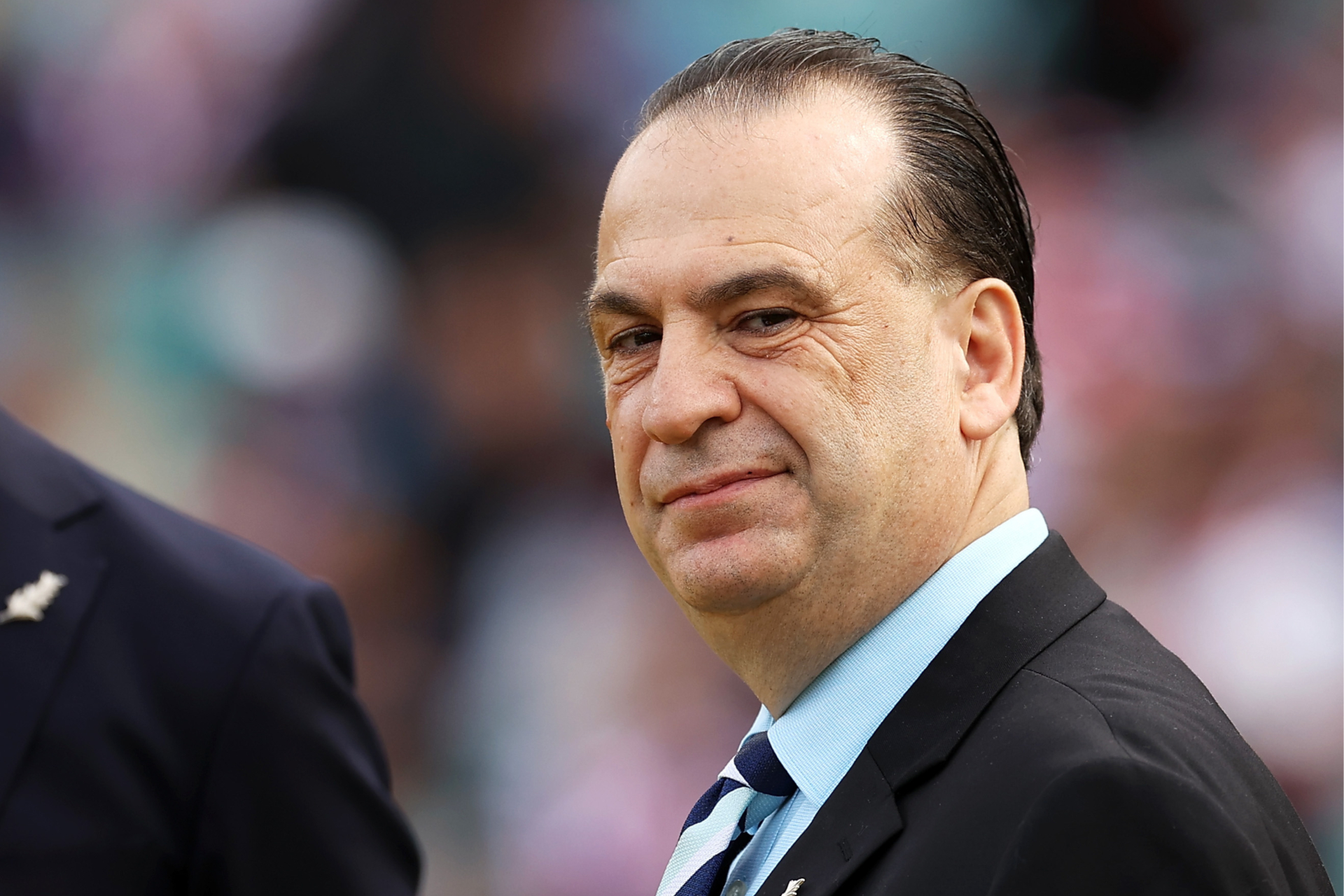
Oliver Jones SC fought for Racing NSW and he’s been the go-to man for Racing NSW’s pugnacious chief executive Peter V’landys, who doubles as the Australian Rugby League Commission chairman.
Neither comes cheap.
On Thursday, the war of words was at its worst. When Robertson was arguing for Justice Kunc to extend a stay allowing the ATC to remain out of the hands of an administrator until a hearing could be heard in February, he labelled Racing NSW as “a regulator that has lost its way”.
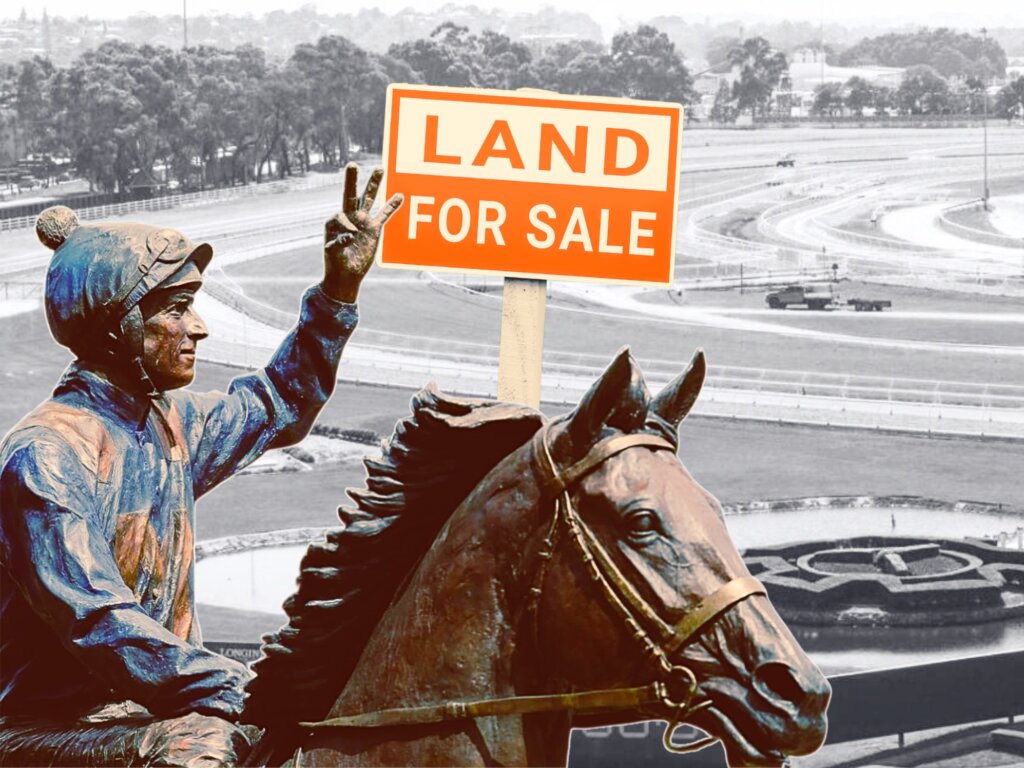
Robertson went on to say it appeared the current action was a repercussion over the failed plot to sell the ATC’s major asset, Rosehill Gardens, for A$5 billion to be morphed into a 25,000-home mini city. ATC members voted down the proposal in May.
He said it was a “complete red herring” the ATC would conduct a fire sale of assets to clear debt before a hearing over the administration move could be finalised.
Jones was swift in his rebuttal, labelling the ATC “on the brink of potential insolvency” and claiming Racing NSW had assessed it as being “in a huge financial debt position”.
“Our concern is this club, under this present board of directors, cannot maintain solvency without Racing NSW’s help,” Jones told the court, also claiming the ATC directors were “not competent” and were grappling with an A$8 million debt to building developer Mirvac.
Perhaps Justice Kunc said it best when he asked for “good sensible commercial behaviour from both sides”. Who knows how long he will be waiting?
Finally, the court ruled the ATC would stay out of administration until a further hearing in February. But this immediate fallout will be significant with an industry tearing itself apart at a time it can least afford.
It was a bitter end to a week in which Sydney is mourning and trying to come together after the horrific terrorist attack at Bondi Beach which claimed 15 innocent lives.
On Monday, the ATC’s nervous staff were meant to come together for a small end-of-year Christmas gathering after one of its most trying years. The mood was already sombre. Bondi Beach, the world-renowned tourist magnet, is just seven kilometres from the ATC’s headquarters at Royal Randwick.
Its employees and the wider community were trying to grapple with the senseless tragedy of Australia’s biggest mass shooting since Port Arthur almost 30 years ago, and later that morning the ATC’s entire board was told it was being removed and the country’s biggest race club placed into administration.
It was the climax of a months-long process in which Racing NSW had threatened to take the action over what it perceives as serious financial and governance failings of the ATC.
It could hardly have been a surprise.
Ever since Racing NSW chair Saranne Cooke eviscerated the ATC with a public release, only the brave would have backed against the Winx-like odds of the regulator arriving at this juncture.
The ATC’s four remaining directors – chairman Tim Hale, Caroline Searcy, Annette English and David McGrath – have fought for months to keep the club under its control, and quickly signalled their intention to apply for a NSW Supreme Court injunction to block the appointment of an administrator, Ernst & Young’s Morgan Kelly.
In a statement released by the ATC directors, it said it “does not accept that Racing NSW has the legal power to remove or displace the duly appointed directors of the club, or to install an administrator in their place”.
As late as last Friday, the fighting four and interim ATC chief executive Steve McMahon (who will stay in his role regardless of the administrator appointment) sipped coffee and water in the Druitt Street offices of the regulator as they tried to lobby the Racing NSW board of their merits in taking the club forward.
The forum took two hours as the ATC officials were asked to answer a series of questions about scenarios and potential solutions to turn around the club’s fiscal performance. They knew the gaps they had to take were narrow. By Monday, they were shut. For the rest of week, it was a flurry of legal activity and wisecracks from a Justice who brought the only humour to the matter.
Idol Horse has been told that even before Ka Ying Rising blazed his way to victory in The Everest, the ATC warned Racing NSW in official correspondence that it believed the regulator had no legal footing if it wanted to put the club into administration. It would have been a red rag to a bull when it came to Racing NSW and V’landys, who has never backed down from a brawl when he believes he’s right.
So, what actually happened in the meetings between the warring sides?
Each of the ATC directors has played a part in pleading its case and plotting a path forward, so much so it choreographed each to speak on certain areas of the business in its first audience with Racing NSW after the show cause notice in September.
Despite chief executive Matt Galanos being removed and directors Ben Bayot and Natalie Hewson quitting the ATC board abruptly, Racing NSW’s main frustration with the club has been its financial performance, and perceived lack of ability to commercialise non-raceday revenue.
Kelly’s remit, if it’s validated in a court of law, will be to put that part of the ATC’s business under the microscope.
It’s well known the ATC has a $30 million loan with the Commonwealth Bank which needs to be settled by the end of next year, a significant impediment to its current balance sheet. Racing NSW has been guarantor for the loan.
Multiple sources have said the prospect of Canterbury being sold wholly was discussed between the ATC and Racing NSW in a future model, which would require the international quarantine centre – which hosted Ka Ying Rising and Japanese visitor Panja Tower – to be relocated, and Royal Randwick to host Friday night-Saturday doubleheaders with the addition of lights. Canterbury could be rezoned through the state government and a Metro station would be nearby.
It would help NSW Premier Chris Minns alleviate the city’s housing crisis, but bruised by the very public war over whether Rosehill should be sold or not, Minns would likely only entertain Canterbury as a “rolled gold” prospect, and not another messy member vote.
Having quietly supported the ATC’s failed campaign to have its major asset, Rosehill Gardens, Racing NSW baulked at any more industry assets going on the market (some ATC directors including Hale and Searcy vehemently opposed the sale). Racing NSW wanted to see a lot more from the ATC committee. It saw them in court, with Hale taking a front row seat in the gallery.
One industry insider familiar with the talks said: “If you had a business with $400 million of revenue and $5 billion worth of assets, are (the ATC directors) the four people you’d trust to run it?”
The same ATC directors are standing their ground, emboldened by last week’s Annual General Meeting in which several members urged them to fight for the club’s independence.
For their part, they insist the club is still in a robust financial position, asset rich and with A$29 million in the bank. Its latest financials reported a A$2.6 million loss, but they attributed A$2 million of that to costs associated with the referendum on Rosehill, which was ultimately defeated.
In a blistering note sent to its members on Tuesday, the ATC accused Racing NSW of owing them $1.2 million, largely from functions held at its venues, and said it was “firmly committed to defending the independence of the club”.
So, how did Racing NSW respond? With its own missive from Dr Cooke, which claimed the ATC board was dysfunctional and said “there is a lack of fairness, confidence and commercial morality in the ATC’s company affairs”.
They blew the lid off commercial in-confidence matters, alleging the ATC’s “cash on hand is made up entirely of revenue received in advance”, and claiming the club received a A$9 million “sugar hit” from sponsor Asahi in a forward payment.
The ATC used independent experts KordaMentha to help prove its financial viability to Racing NSW. It eventually fell on deaf ears.
“Where is their credibility to say, ‘you’re insolvent with more than $20 million in the bank?’ It’s not a legitimate case,” said one ATC official, who asked to speak on the condition of anonymity.
Idol Horse has been told an influential group of industry figures have collated a fighting fund to help the ATC prosecute its case and remain independent. It’s believed they’ve generated more than $1 million in pledges. There’s no shortage of peripheral figures ready to support by putting their hands in their pockets, and rarely has Racing NSW stared down an uprising like this.
In a statement explaining its appointment of an administrator, Racing NSW said it plans to put a committee in place for the administrator to report to, which could include rank-and-file ATC members with appropriate skills.
It may seem preposterous to think it’s still an option, but such is the conspiracy level within the NSW racing industry at the moment, cynics are even whispering out of the side of their mouths about whether Rosehill could be back on the agenda if Racing NSW takes charge of the ATC.
It’s already stripped the western Sydney track of its richest race, the A$10 million Golden Eagle and shipped it to the more crowd-friendly Royal Randwick, and has all but given up on getting the people back to Rosehill. Months after the member vote, Rosehill remains the white elephant in the room.
One of the underlying reasons why the revolutionary Rosehill plan was quashed was that of trust. It was irrevocably broken between members, the ATC, Racing NSW, the NSW government, everyone.
Now, two of the main players have fallen out so badly they’re feuding in emergency proceedings brought before a court a week before Christmas.
All the while, former NSW health minister Brad Hazzard carries on with his review into the NSW Thoroughbred Act, which would have significant ramifications for how the regulator operates, if not the way it distributes funds to its clubs.
The ATC board is believed to have made a submission. It might be for Hazzard’s eyes only, but it would make for fascinating reading.
Regardless, the wheel will keep turning on the state’s relentless multi-billion dollar industry in which the ATC shoulders much of the load as Racing NSW generates the wealth. Races will be run and won, and most punters won’t care who’s putting on the show. They just want to cheer home a winner on the cusp of Christmas.
Just don’t expect too many cards to be exchanged by those battling for control at the top, who have some of Sydney’s most expensive lawyers on speed dial. ∎