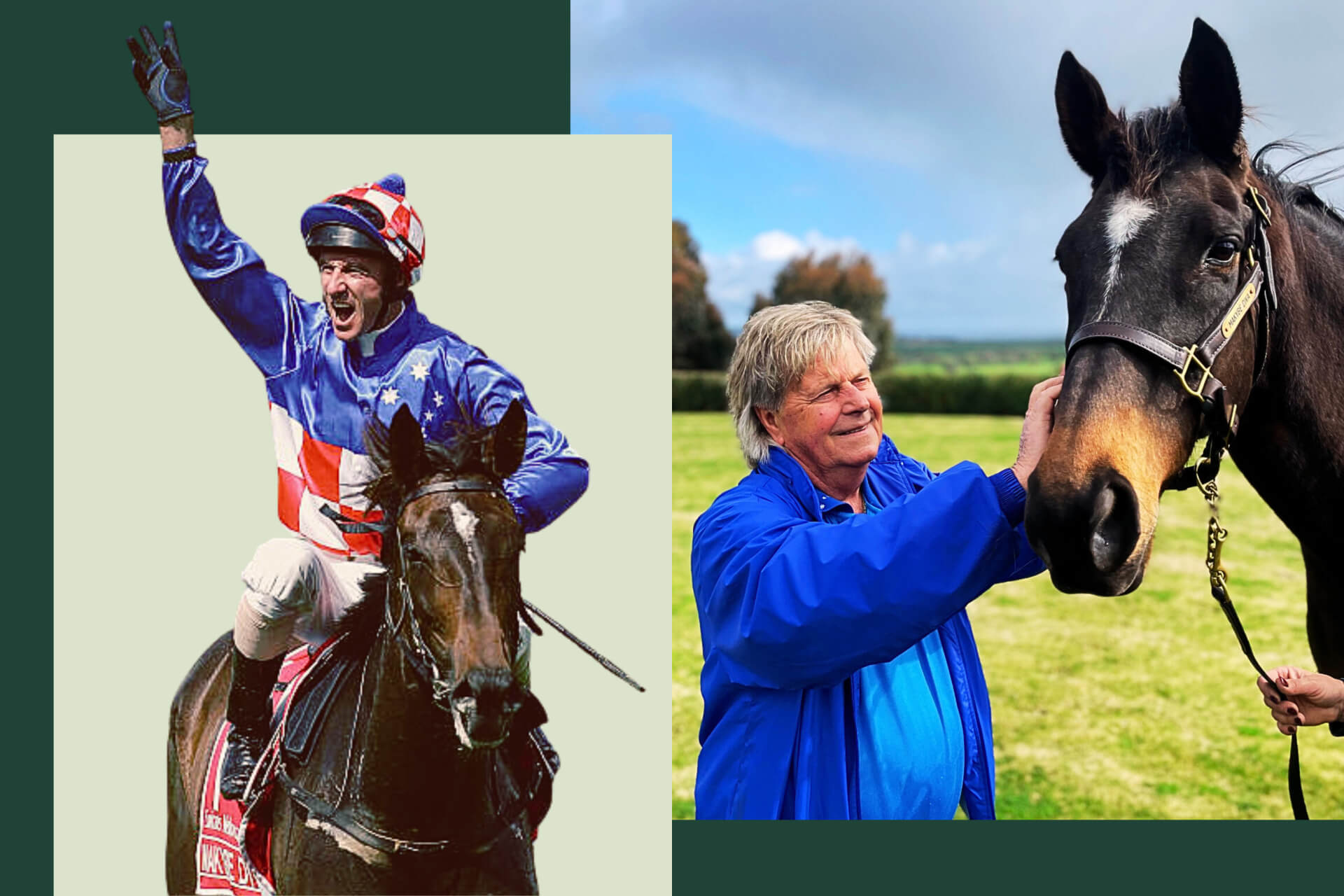
For years now, a millionaire tuna fisherman with a flowing mullet haircut knew this day was coming.
Tony Santic is not one to usually get too emotional, save from when he wore a facemask designed in the colours of his special horse, dancing through the Flemington mounting yard after a Melbourne Cup feat never achieved before, unlikely to ever happen again.
But on this mid-autumn day, he was holding the same horse and trying to fight back tears.
A bunch of kids who were dealing with trauma and other physical ailments were patting Santic’s Makybe Diva.
One had anxiety after a serious car accident. Another had lost an arm after a bus she was travelling in overturned. Others had problems children shouldn’t have to deal with. They stood, admired, patted The Diva, and for a few moments the troubles in their own worlds seemed the length of the Flemington straight away.
“I get emotional every time because I know it’s all coming to an end,” Santic told Channel Seven last year. “It’s a bit sad. These are special moments, I must say.”
It might sound a bit ridiculous, but a horse being an ambassador for the KIDS Foundation might have been one of the best decisions Santic has made with Makybe Diva, an Australian cultural phenomenon providing therapy for children who weren’t even born when she was the Cups queen.
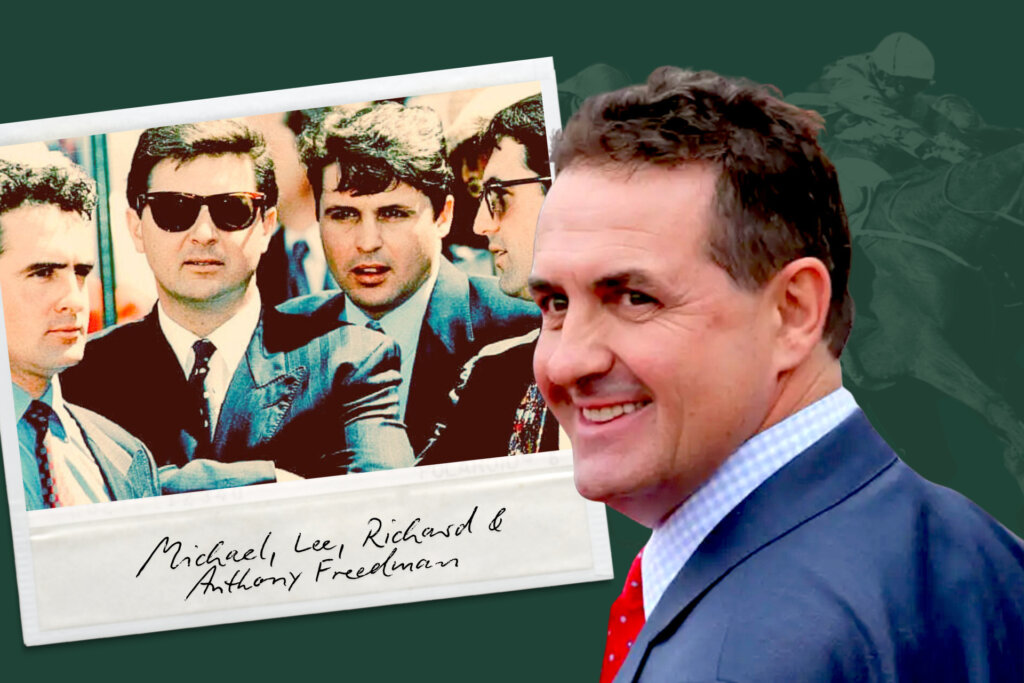
Her trainer, Lee Freedman, delivered the perfect line in the pandemonium after her third straight Melbourne Cup win in 2005 when he said: “Go out and find the smallest child here … because that child might be the only person who lives long enough to see something like this again. None of us ever will.”
Freedman was right.
In 20 years since, another horse hasn’t won a Melbourne Cup twice, let alone thrice, and the race hasn’t enjoyed the popularity of The Diva days when 106,000 people crammed into Flemington to watch her make history.
On Saturday, her owner Santic’s fears were realised when Makybe Diva died after a short battle with colic. She was 27.
Australian racing has had Black Caviar and Winx since, but even they couldn’t do something Makybe Diva did by touching the public’s consciousness through its most historic and popular race, the Melbourne Cup. After her third win, Santic retired her on the spot.
Unlike Black Caviar and Winx, Makybe Diva lost more races than she won. It is generally a stayer’s lot in life in Australia, where trainers prefer to race them over unsuitably shorter distances before main targets later in a campaign.
But on the biggest of big days, she always delivered.
Santic wasn’t even supposed to race her. He had the filly out of a mare called Tugela, and he intended to sell her progeny at the Tattersalls Sale in the United Kingdom. The reserve was 20,000 guineas. No one came close to stumping up the amount required. Santic flew Tugela’s filly to Australia to race.
Santic was a son of Croatian migrants, a loyal man who had ridden rough seas to make a mint. He loved cigarettes, but also loved his people. He named the filly after five of his employees – Maureen, Kylie, Belinda, Diane and Vanessa – using the first two letters of each of their names.
The edge of Victoria’s high country is not a likely birth spot for one of the greatest Australian racing fairytales, but so it was for Makybe Diva.
Benalla is a small town north-east of Melbourne, and on a rain-affected track in the middle of winter in 2002, jockey Fabian Alesci asked to ride Makybe Diva half-a-kilogram over her 54kg allotment. She came with a flurry late in the race to finish fourth. By the end of the preparation, she had won her next six races, including the Queen Elizabeth Stakes during the Melbourne Cup carnival, a potential precursor to the big race the following year.
It was a good clue, too. Her first trainer, David Hall, set his sights on the 2003 Melbourne Cup, and after close-up fourths in the Turnbull Stakes and Caulfield Cup, Glen Boss rode her for only the second time in her career on the first Tuesday in November.
Boss was a showman, an old-school entertainer, one who’s never had an unspoken thought in his life. It was a miracle his story entwined with Makybe Diva because only a couple of years earlier he was involved in a horrific fall while riding in Macau, which left him millimetres from spending the rest of his life in a wheelchair.
The moment he hit the ground, Boss knew he had broken his neck. He went to hospital where a doctor told him he hadn’t suffered any breaks, seeming more preoccupied with the influx of bloodied inpatients from gang fighting. If he tried to stand up, Boss might never have had the chance again. He refused to move a muscle.
A later and more educated opinion confirmed what he’d suspected: a broken neck. Only his intuition saved him.
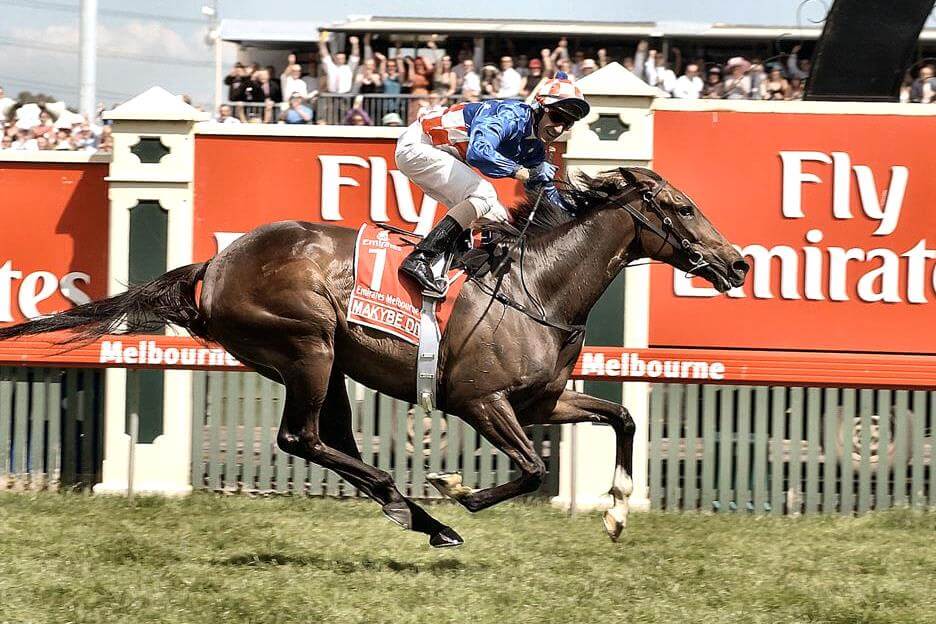
A jockey’s intuition is generally right, and in each of Makybe Diva’s Melbourne Cup wins, Boss barely left a fingerprint on the mare’s reins. He was soft and surgical, calculated and clinical, all under the crushing expectation of the country.
In the lead-up to the 2005 victory, much was made of the weight Makybe Diva had been allotted in Australia’s great handicap: 58kg. No mare had managed to carry as much to win.
Lee Freedman took over training Makybe Diva for her last two Cup wins after Hall left for Hong Kong, and such was the interest and fanaticism about her shot at history, television news bulletins were sending reporters and camera crews up in helicopters to capture vision of her preparation before the 2005 Cup.
On the day of her final beach swim, hordes of reporters converged on the Mornington Peninsula beach location they thought Makybe Diva would stretch her legs in. Freedman went to another spot just to keep prying eyes away from his horse going for a swim.
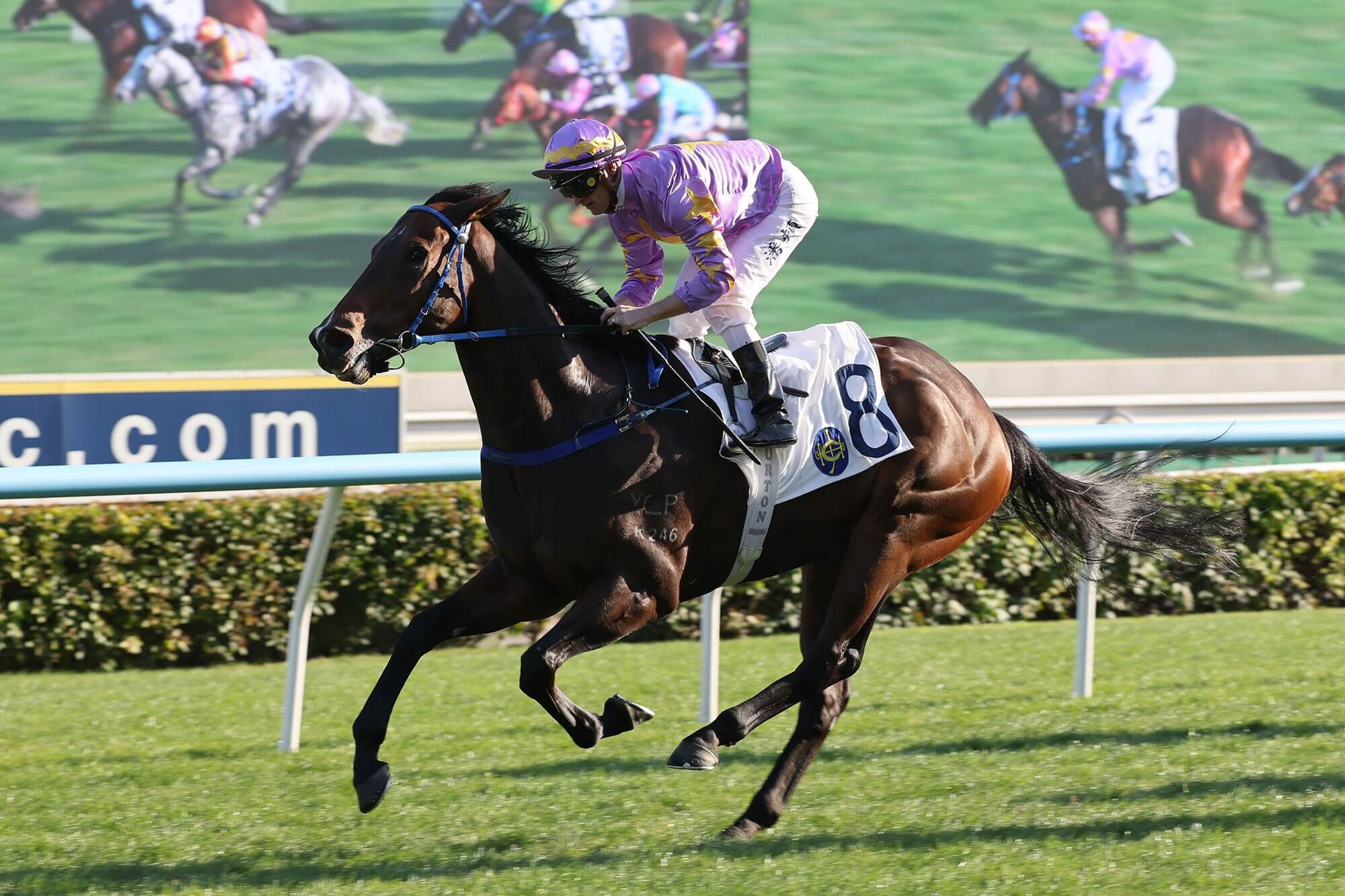
Boss knew the moment she walked into the mounting yard on that day she wouldn’t be beaten. With racecaller Greg Miles’ famous call as the backing track – “a champion becomes a legend” – Makybe Diva surged to a third Melbourne Cup win in a row. The margin of victory was exactly the same as the first two: one-and-a-quarter lengths.
From that day on, she wasn’t Santic’s horse any more. She didn’t belong to Freedman. Or Boss.
She was Australia’s horse, a cultural phenomenon who was healing kids not even alive to see her race.
And in time, they can tell their own kids what it was like to spend a few moments in the company of The Diva, the greatest Melbourne Cup horse to ever live. ∎