The Japan Cup never went away in the physical sense. It’s been there on the Japan Racing Association (JRA) calendar, and in the international consciousness, every year since 1981. But there’s no denying Japan’s big international showpiece race lost its place in the spotlight’s centre for a time there, drifting off towards the fringe as the best of the overseas runners stayed away, leaving the spoils to Japan’s domestic heroes.
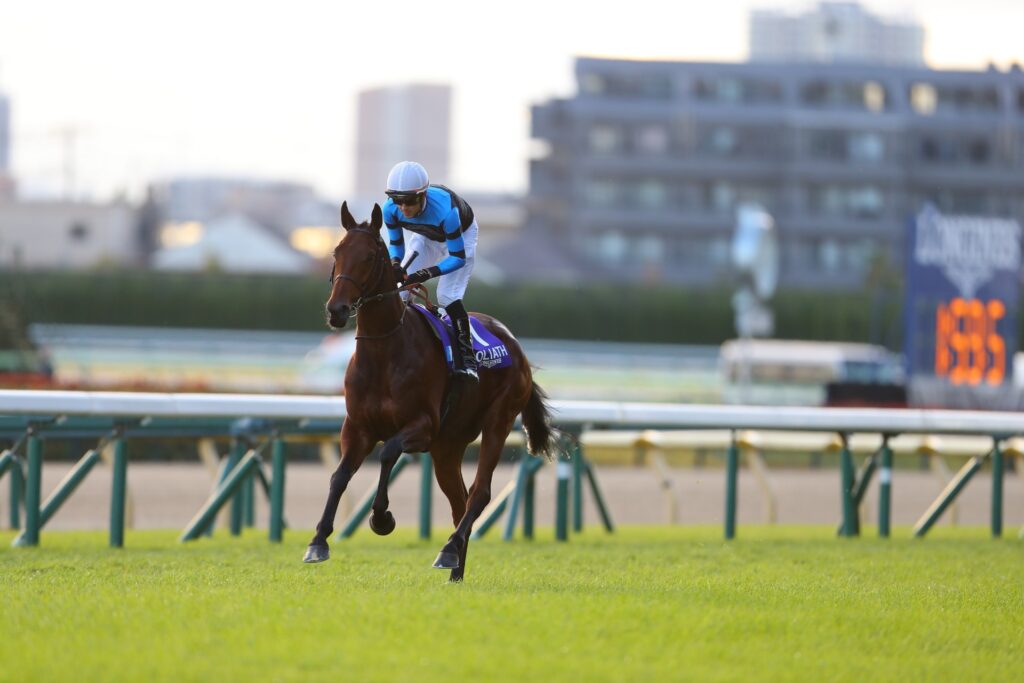
But this year, the race is looking like the Japan Cup of old. Six international contenders are slated for the race and it’s a raiding party with the kind of collective sparkle not seen in almost two decades: the world’s best 2000m runner, Ombudsman; last year’s world champion Calandagan; the top-class and revitalised Minnie Hauk; and even the support act has a Breeders’ Cup turf winner, a King George VI and Queen Elizabeth Stakes winner, and a South American champion, in Ethical Diamond, Goliath, and Teao.
What has brought the stars back? Monetary incentives, of course, plus improved facilities, and the lack of a standout Japanese champion this year.
You can trace the race’s slide back to the year after the British-trained Alkaased won the race in 2005. That was the last time a foreign horse won the race before Calandagan ended a 20-year drought with victory last year. When Alkaased triumphed, he had alongside him a very classy cohort of offshore challengers: the great British mare Ouija Board, the Arc winner Bago, U.S. turf champion Better Talk Now, the two-time Coronation Cup winner Warrsan and another U.S. Grade 1 winner King’s Drama.
Ouija Board returned in 2006 and was third to Japan’s legendary champion Deep Impact, but she was one of only two European challengers that time. And, from then, the race gradually slid off the agenda for Europe’s best. Sure, the likes of Conduit, Cirrus Des Aigles and even the Arc heroines Danedream and Solemia showed up without success, but they were a handful of gems among a lot of rhinestones, heading east mostly as an end of season afterthought.
By 2012 the race had evolved – from the European perspective – as one to shoot at with second tier Group 1 challengers, or top-class two-milers like Red Cadeaux and Dunaden; a race to take in between the Melbourne Cup and the Hong Kong International Races at Sha Tin.
The five editions from 2014 to 2018 saw a particular decline. Not in the race’s overall quality – Epiphaneia, Kitasan Black and the great mare Almond Eye were among the winners – but in the overseas interest. When the best among those were horses like Erupt, Idaho and Iquitos, the decline in international quality was obvious. In 2018 only two raiders turned up: Thundering Blue had not won a Group 1, and Capri had not won one since the G1 St Leger 14 months prior.
That was a far cry from the days of Pilsudski, Singspiel, Falbrav, and the defeated Montjeu in the 1990s and early 2000s.
Then came 2019. Not one overseas runner made it to the Tokyo starting gate. The peak Covid year of 2020 brought the non-factor Way To Paris. Given that the race’s entire purpose was to be Japan’s great international race, a showcase of the best of Japan against the best of the world on Tokyo turf, something had to change. The JRA knew it, and to their credit, they acted decisively.
Part of the problem was Japan’s success. Its bloodstock had been upgraded across decades to being among the best in the world and that had translated to producing genuinely elite level superstars on the track.
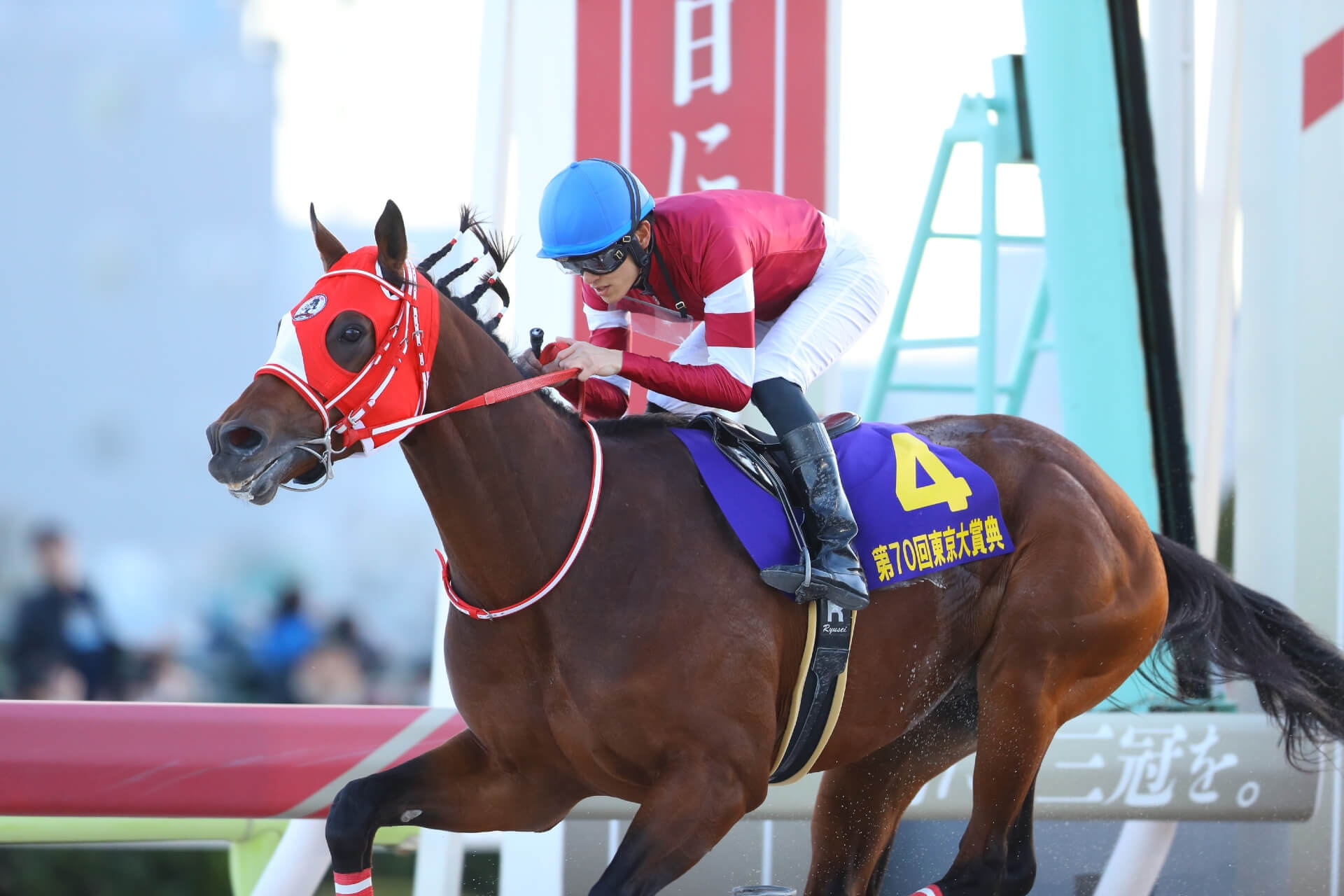
Starting with Mairzy Doates in 1981, non-Japanese runners won nine of the first 11 editions of the race. The next 11 Japan Cups saw a shift, with four foreign winners and seven Japanese winners. And 21 of the last 23 races have gone to a Japanese horse.
So how did the JRA attract those star horses back? A series of lucrative bonuses was introduced, attached to qualifying races in Europe and the U.S., as well as Hong Kong and Australia; and a brand new quarantine facility was built inside Tokyo racecourse.
With those elements in place, 2022 brought a hint that the quality was set to return. The Prix de l’Arc de Triomphe heroine Alpinista was lined-up to compete.
“I think (the bonus) was a great factor in deciding to go and it will continue to be, and the fact that they’re generously paying so much towards our trip,” her trainer Sir Mark Prescott said at the time. “And there is the new quarantine centre, that must be a great help.”
Alpinista got heat in a leg and didn’t make the journey in the end, but the intent had been there and that was important. Unfortunately for the foreigners, the great Equinox held court in 2023, and only one Euro turned up to challenge him, but in 2024, another spark: Goliath had won the King George, Auguste Rodin was a six-time Group 1 winner. Both went to Tokyo.
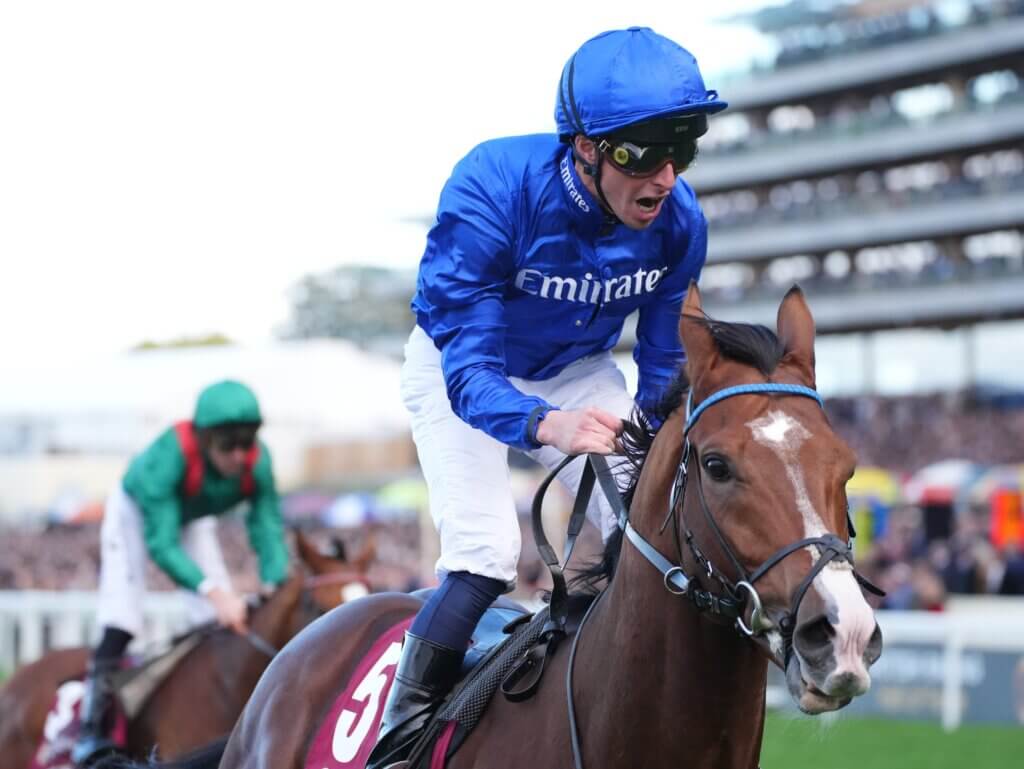
So when Calandagan showed up as a solo overseas challenger last year, there was a bit of disappointment, yet that was salved by the fact that he was a champion at the peak of his powers. And he won. In doing so, he bagged a massive bonus on top of the lucrative first prize pot.
Since then, the JRA has acted again: the race value has increased to approximately US$7 million; the winner takes home US$3.22 million; and if that winner is an overseas runner which has won a Tier 1 ‘qualifying race’ they nail a bonus of US$5 million, while a Tier 2 qualifying winner brings in a US$3 million bonus. This year, the qualifying race eligibility goes back across the past two seasons, not just the current campaign.
Not only that, if a foreign challenger finishes out of the money, they’re guaranteed a US$100,000 participation fee. No wonder there’s a top-class group of horses flying out to Tokyo.
Hats off to the JRA. They looked at the issue and did what they needed to do to arrest the uncomfortable slide of one of modern horse racing’s great contests. And the rescue brings the reward of a proper race of international interest again for the sport’s fans to enjoy. ∎