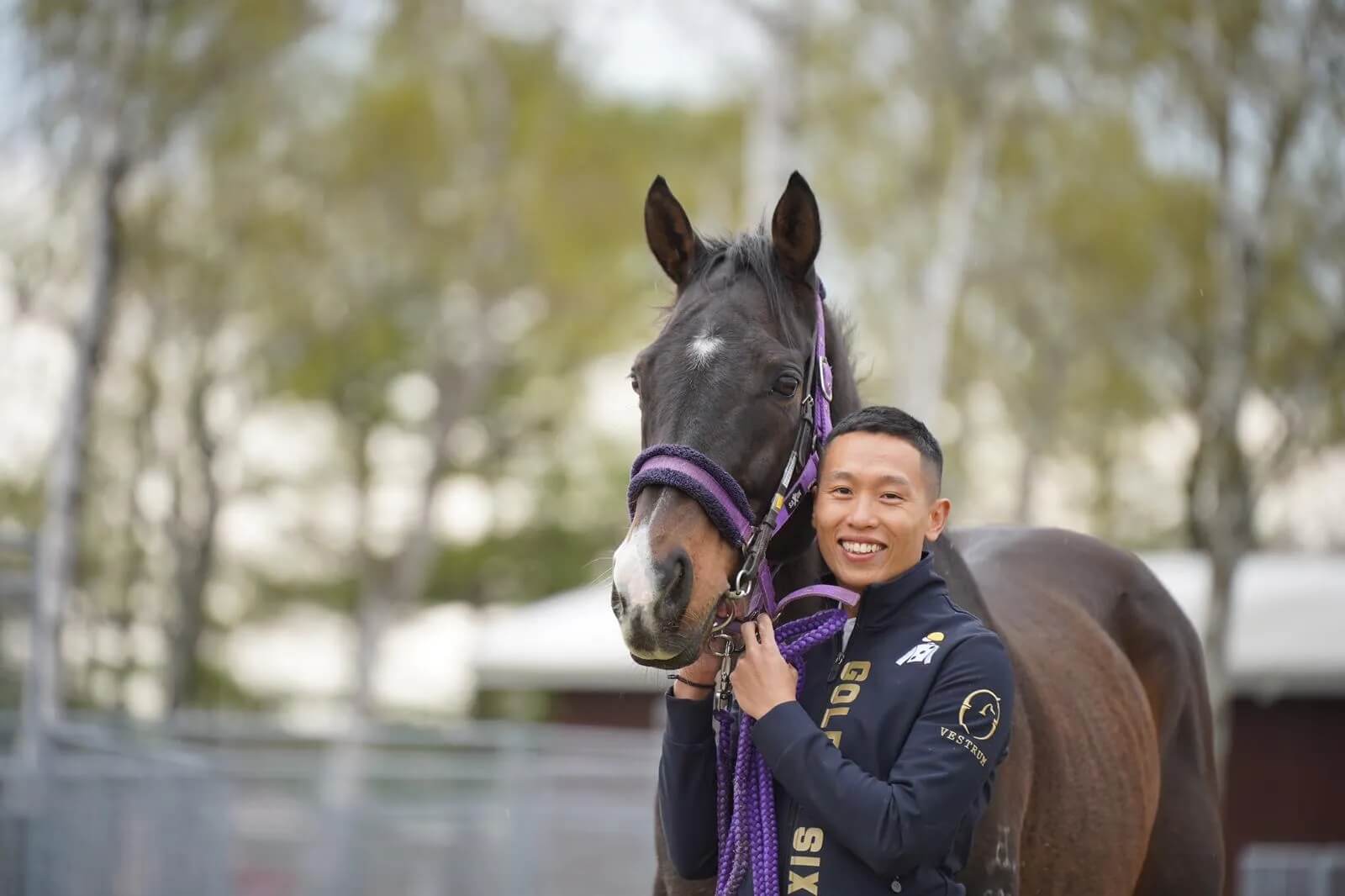
When the LONGINES Hong Kong International Horse Show makes its grand return to AsiaWorld-Expo from January 30 to February 1 2026, one of Hong Kong racing’s most accomplished figures will be watching with genuine admiration rather than competitive intent.
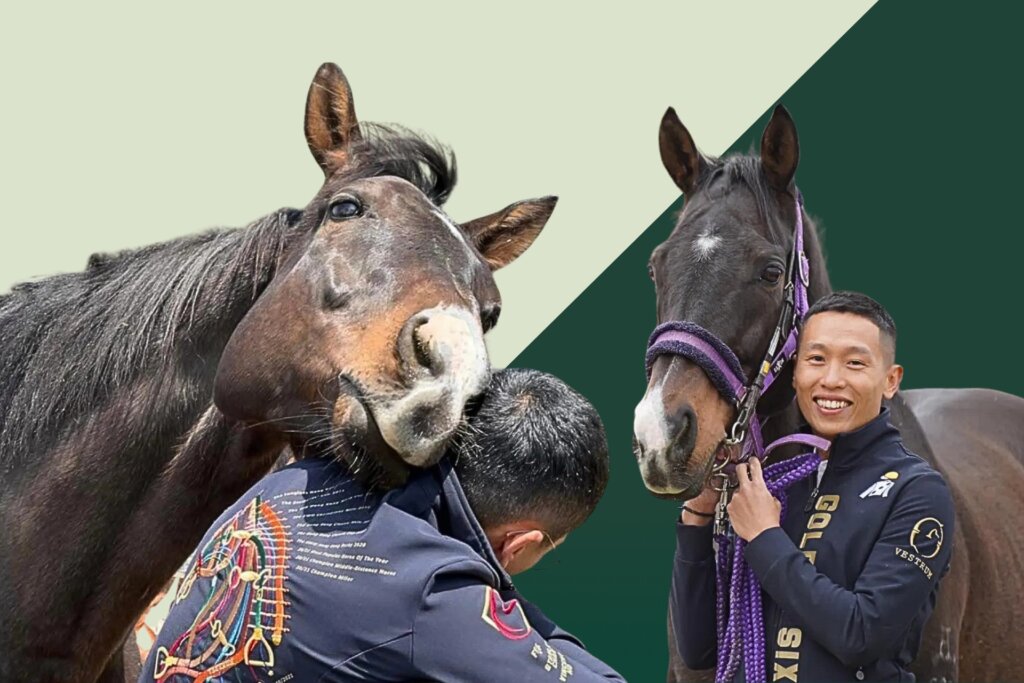
Vincent Ho – four-time Tony Cruz Award winner, Group 1 jockey and the longtime partner of champion Golden Sixty – will be in the stands as a fan, captivated by a discipline that helped shape him long before he became one of the city’s elite riders.
For Ho, equestrian sport is not a curiosity or a novelty. It is part of his foundation.
As a teenager, before embarking on his highly successful racing career, Ho spent two years training as an equestrian rider, learning to jump and immersing himself in a world that, while still centred on horses, operates on a very different philosophy.
“The equestrian world is a different sport. It’s still a horse – but a different breed,” Ho says. “The riders’ knowledge of the warmblood is more than we have of the thoroughbred. Those riders train their own horses over many years.”
That distinction, he explains, goes to the heart of why equestrian sport commands his respect.
“Jockeys just ride, trainers just train – equestrian riders do both,” Ho says. “In many ways it is way more technical.”
Unlike racing, where split-second decisions are made in traffic and success is often built on instinct, pace and positioning, equestrian disciplines demand a deeper, more intimate dialogue between rider and horse. The communication extends beyond reins and direction into balance, leg pressure, rhythm and feel.
“In racing – especially in Hong Kong – we rely on pacing and getting into a good position,” Ho explains. “We react lightning fast and focus on what’s going on around us. But in showjumping, riders respond to their horse – not just direction, but the horse itself. They communicate through balance and legs, not just hands.”
That subtlety is what fascinates him most.
“They have to make instant adjustments in mid-air,” Ho says. “They don’t just sit there and jump. There’s a lot of hard work and experience behind it. They have a better understanding of the horse.”
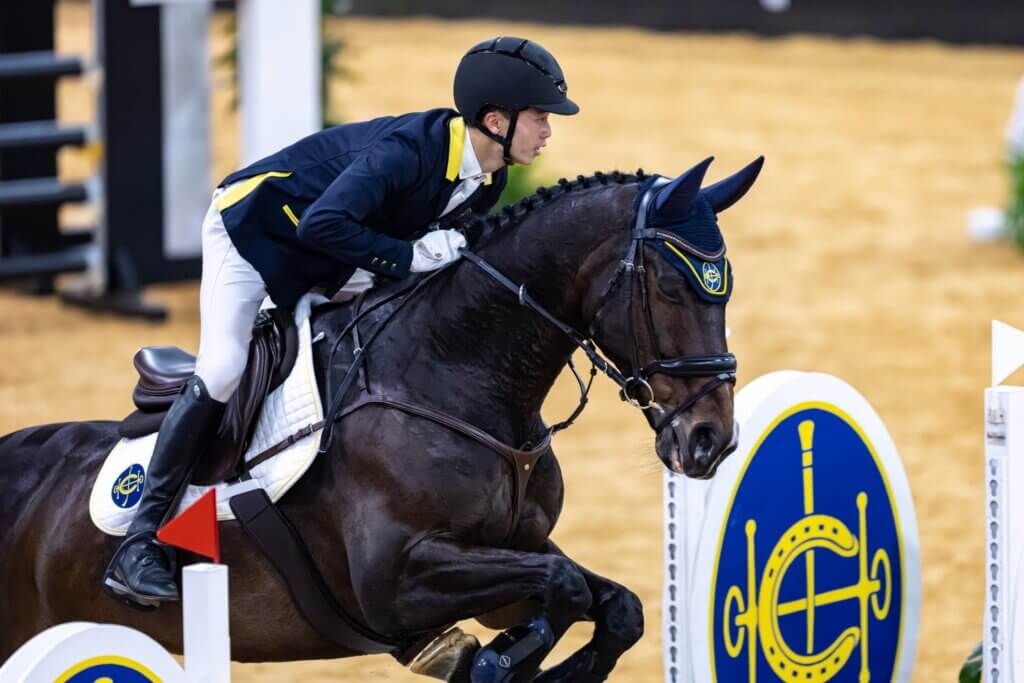
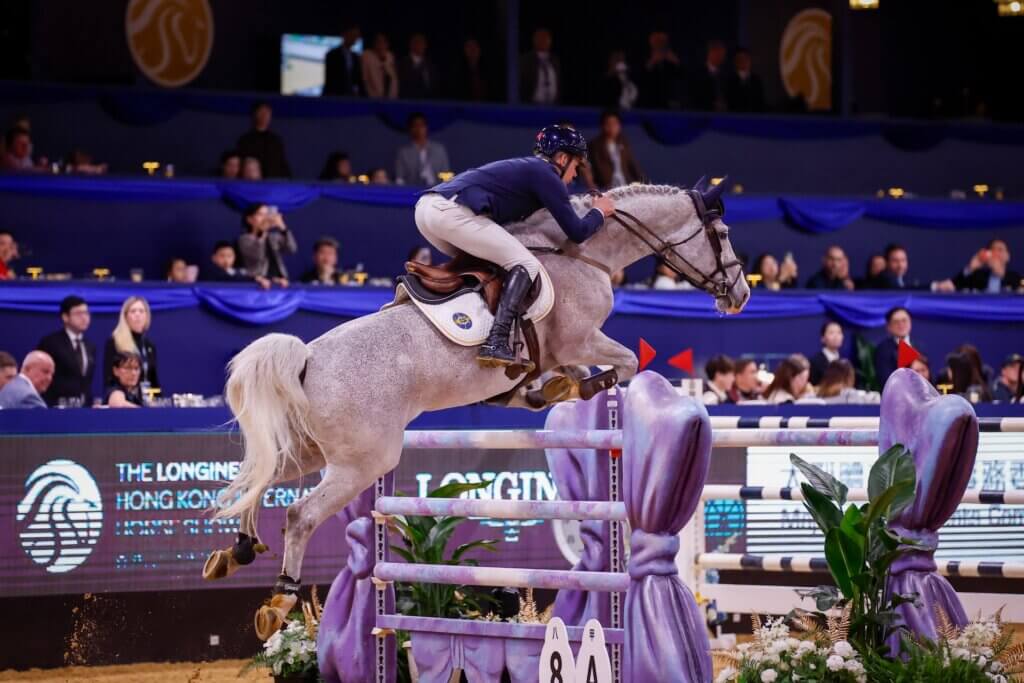
Ho’s appreciation is not academic. Even now, during his rehabilitation from injury, equestrian work continues to play a central role in both his physical recovery and his mental reset.
He regularly travels to Hokkaido, Japan, where retired champion Golden Sixty now lives – a partnership that has taken on new meaning beyond racetrack glory. Riding Golden Sixty again, in a different context, has reconnected Ho with the fundamentals of horsemanship.
“When I go there, the instructor who rides him in the morning is 77,” Ho says. “When I arrive, he’s doing dressage with Golden Sixty.”
The lessons are ongoing – and humbling.
“I didn’t like memorising courses,” Ho admits with a smile. “But he teaches me what to do, especially with retired horses. Warming up a horse properly is something I’ve learnt from him. It’s important for me to go there.”
That openness to learning, Ho says, only grows with experience.
“The more experienced you are, the more you can learn. It’s a never-ending process,” he says. “I’ll stay curious always: understanding horses, riding them, training them.”
It is that mindset he hopes racing fans will bring with them to the LONGINES Hong Kong International Horse Show – a three-day celebration of elite equestrian sport featuring five-star international showjumping, youth competitions, musical rides showcasing retired racehorses and a broader lifestyle experience built around the horse.
For racing fans in particular, Ho believes the show offers a rare chance to see horsemanship through a different lens.
“In equestrian, eight or nine is considered a young horse,” he explains. “They have years of experience. Once obstacles get up to 1.6 metres at five-star level, it becomes very difficult. The courses challenge stride patterns and decision-making. One of the most amazing things you will see is a rider making adjustments mid-air.”
The physical demands are immense. Tight turns, rapid reactions and precision balance test both rider and horse at the highest level.
“The riders need great instincts and great touch,” Ho says. “Keeping balanced on tight turns takes a lot of effort. It’s very interesting.”
As Hong Kong welcomes the Year of the Horse with the return of this landmark event, Ho’s message is simple: come with an open mind, slow down, and appreciate the craft.
“I’ve benefited so much from what I’ve learnt,” he says. “Even by watching, I keep learning.”
For a jockey who has ridden 600 winners, conquered the world stage and forged one of Hong Kong racing’s greatest partnerships, that sense of curiosity – and respect for the horse – remains unchanged.
And for three days at AsiaWorld-Expo, he’ll be learning once more, just like everyone else. ∎