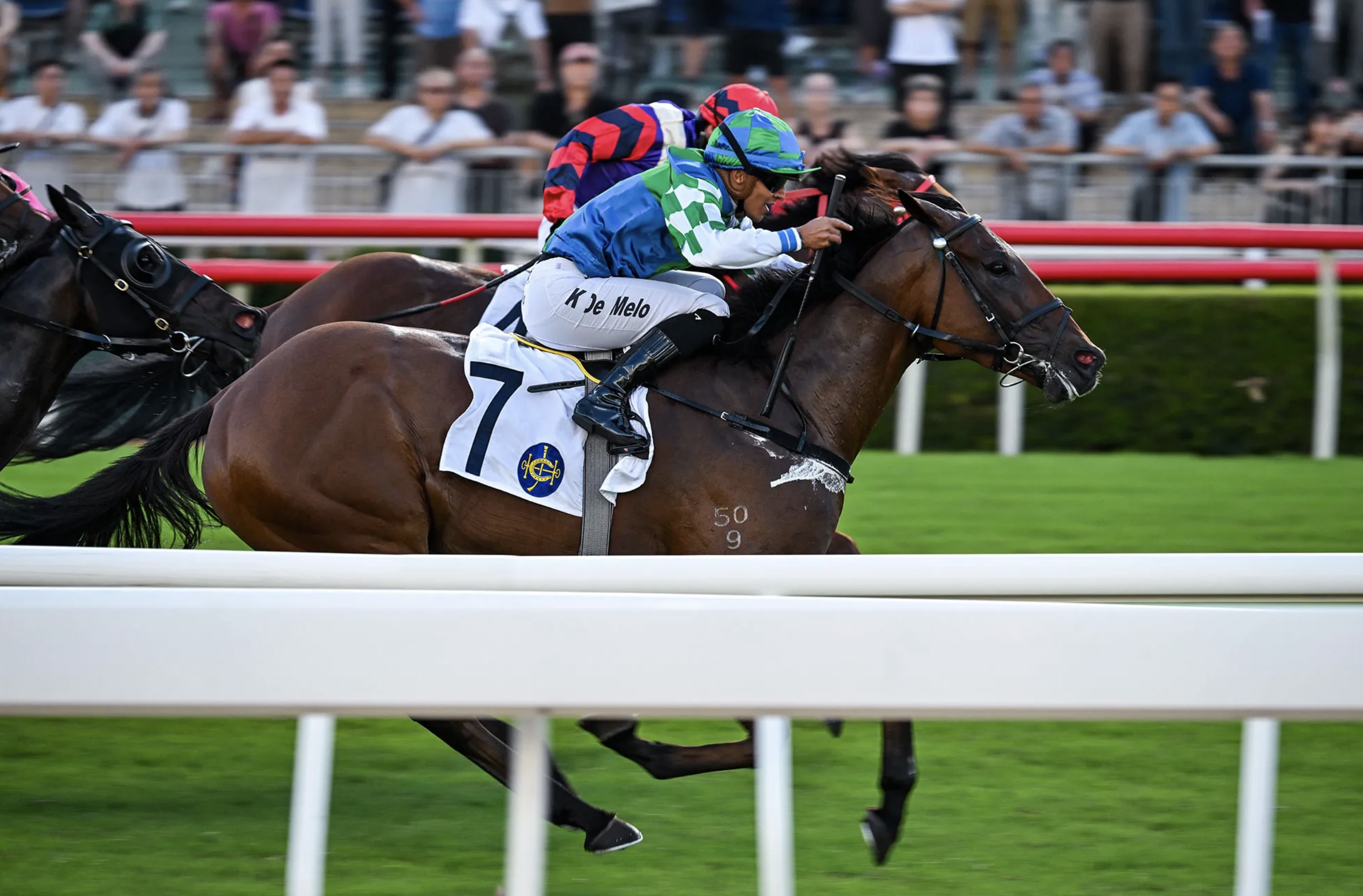

Joao Moreira’s temporary return to Hong Kong is good news for almost everybody. And then there is the renewal of his rivalry with Zac Purton.
Two of the best riders of their generation, back in the same room for 14 weeks. Both brilliant, but brilliantly different.
The simplest way to describe their contrasting strengths and styles? Zac rides the race. Joao rides the horse.
There are actually three layers to the comparison – the horse, the race, and the track – and how each of them handles those three things is what makes this rivalry so fascinating to watch.
Joao’s genius is the horse. He’s about balance, rhythm, getting the horse onto the right leg, letting it flow and finding its stride. When he rides, horses relax underneath him, they travel and when he presses the button they try harder for him than for other jockeys.
I watch every horse in every race and keep a record of ‘bad rides’ – every mistake, every wrong call, every time a jockey butchered a ride. In his first full season in Hong Kong, Joao made two errors in an entire year. Two. And both those horses he came out and won on them next start. That is nearly impossible to do.
Zac rides the race. His mindset is typical of top Australian jockeys – and it’s the way I always thought about riding. He’s not just trying to get his horse to run its best. He’s also trying to prevent the key dangers from getting their best run. If I’m outside the leader at Sha Tin and the favourite is third on the fence, inside of me, one thought takes over immediately: don’t let that horse out. Because I know if it gets a clear run at the right moment, it beats me. My job isn’t to win the race at the 400, my job is to keep the favourite in a pocket. Zac thinks exactly like that.
Joao, by contrast, might not even know what’s sitting inside of him. He’ll be entirely locked into how his horse is moving – is it balanced, is it on the right or wrong leg, or should it change its lead leg and lengthen? He isn’t as interested in what other horses or jockeys are doing.
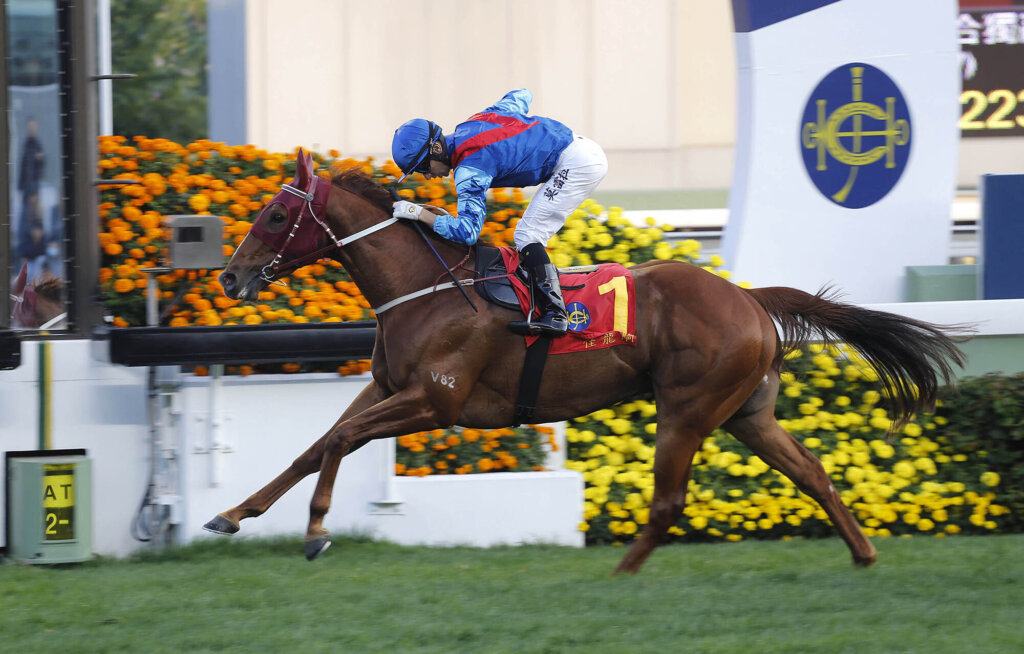
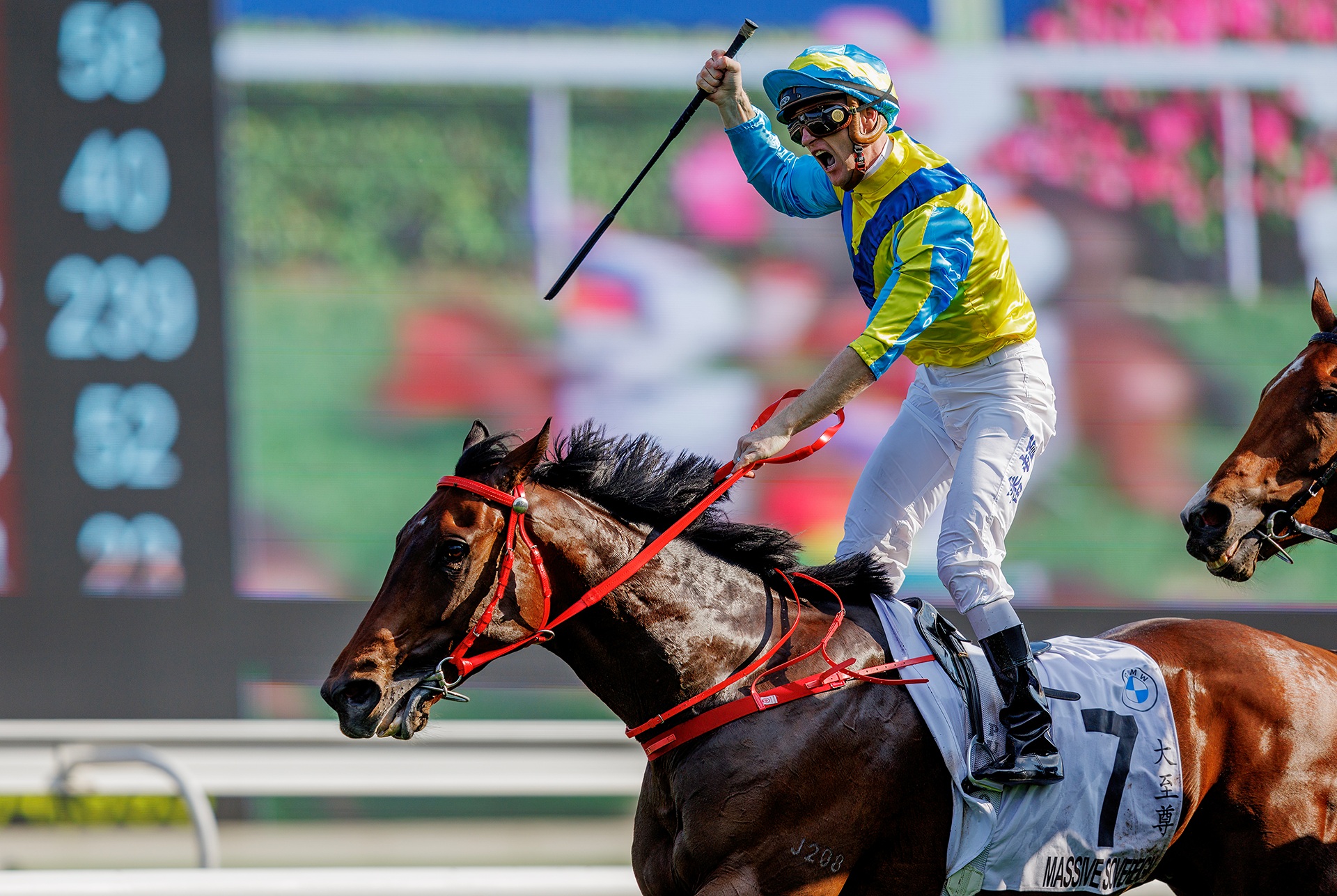
But there’s a third layer – the track – and that’s where I think Zac holds a clear edge. Hong Kong has had more noticeable track bias this season than we’ve seen in years. More meetings where you’re watching and thinking, do I back leaders today or am I looking for backmarkers to bet on? And it can change mid-program as the surface dries or the track is rolled. The jockey who reads the bias quickest, and rides to it, can be worth lengths. That’s Zac. And reading and riding the track is, if I’m being direct, Joao’s weakness.
Moreira’s return is obviously a huge boost for Caspar Fownes – and because of it he has to now be favourite to win this season’s championship. Joao is locked in as his stable rider from April 7 through to the end of the season, and the timing couldn’t be better – Caspar is leading the trainers’ title race and one or two extra winners could make the difference between winning or losing the championship. Joao coming in almost exclusively for the Fownes stable also means he isn’t sweeping through the rest of the jockeys’ room pinching the best rides every week. He adds quality without changing the whole dynamic.
It matters too that Caspar hasn’t combined regularly with Zac for more than five years, so having access to a rider of Joao’s calibre can only benefit him. There is a massive gap between Zac and the rest right now – so Caspar gets a chance to compete on a more level playing field with the other contenders that can use Zac more regularly.
And there’s a smaller thing I like that could matter long after this 14-week stint is over. Caspar has apprentice Ellis Wong in the yard – a five-pound claimer who is riding with real confidence at the moment. Having one of the best jockeys ever do the job right alongside him every day – being able to watch, ask questions, understand what professionalism looks like on and off the track, that’s priceless. The kind of education you can’t buy. Wong will still get opportunities – Caspar has first call on that five pounds when he needs it. For punters? The stronger the jockeys’ room, the fewer mistakes you get. The only thing a punter really wants is a fair crack – don’t get a bad ride, don’t get a nightmare run, don’t lose because someone has butchered it. Elite riders reduce that risk. More of them only helps.
The timing of Moreira’s stint sets up a fantastic finish to the trainers’ championship this season.
Ka Ying Rising v Romantic Warrior – A Mythical Match Race At A Mile
After Ka Ying Rising’s demolition job in Sunday’s Group 1 Queen’s Silver Jubilee Cup, somebody posed an interesting hypothetical: would he get a mile?
Yes, on his ear. He’s that relaxed, that controlled. You could probably teach him to run 2000 metres if you really wanted to, because that temperament is a genuine weapon. But here’s the point – he doesn’t need to. The moment you start dragging champions out of their comfort zone, you introduce a risk you don’t have to carry. If you have a freak sprinter who can keep doing freak sprinter things, why go looking for trouble?
The better hypothetical: match race, a mile at Sha Tin – Ka Ying Rising versus Romantic Warrior. Who do you want to ride?
Ka Ying Rising would start favourite. How could he not after Sunday? Eighteen straight wins, the Sha Tin 1400m track record obliterated and he did it sitting second before simply breaking their hearts with that change of gears against a proper field.
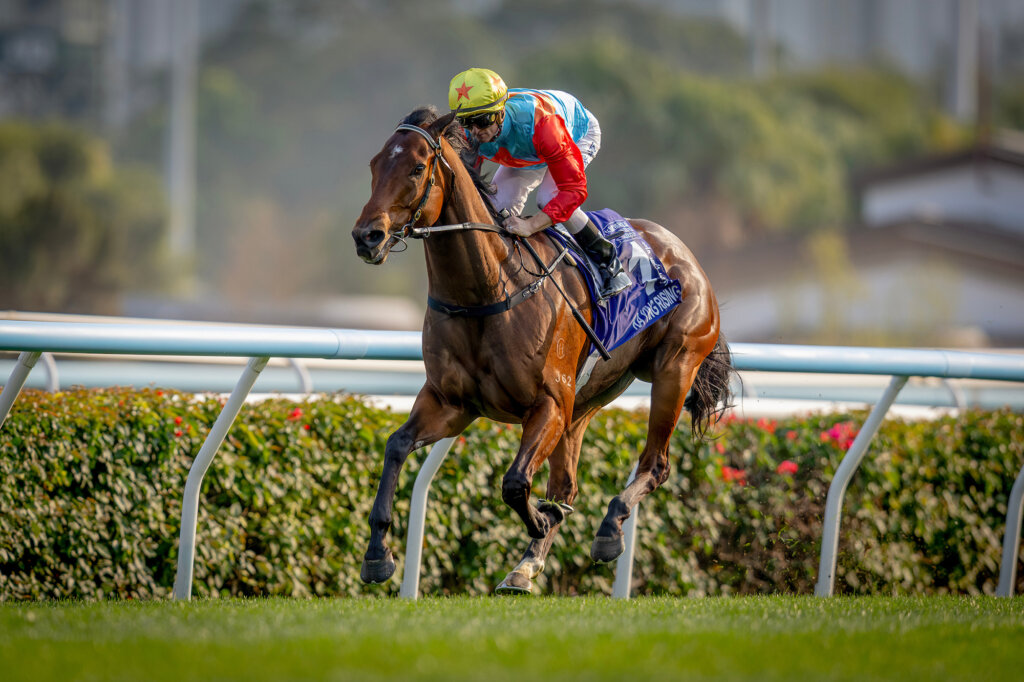
But who would I ride? I’d take Romantic Warrior.
Not because I’m saying he’d win. I’m choosing him because I want to be the hunter. I want the puzzle of figuring out how to beat a horse who might be the best in the world at what he does.
So how would you go about it?
First: you cannot give Ka Ying Rising a soft lead. If he gets to the 600 having done nothing, you’re done. Romantic Warrior simply cannot match those sprint sectionals when it becomes a sit-and-sprint. You’d be playing entirely on Ka Ying Rising’s terms.
So you have to turn it into a war. If I’m on Romantic Warrior, I want pressure from the half-mile – earlier if possible. I want Ka Ying Rising working before he’s ready to work. That means being on his outside, making him feel me there, making him think he isn’t getting this his own way.
There’s a bit of old-school jockey craft in it too – done safely, done properly – where you can brush up alongside, touch a hindquarter, just enough to get him a fraction over-racing. Not dangerous, not reckless. Just enough to disturb that flawless rhythm. Because if he’s travelling like he did on Sunday – sweet as you like, then bang – you’re no chance.
The chessboard changes depending on who leads, of course. Both horses have gate speed. If Romantic Warrior leads and Ka Ying Rising sits in behind like it’s a trackwork gallop, you might be handing him the perfect stalking run. If Ka Ying Rising leads and you wait, you risk giving him exactly the soft, comfortable run he thrives on.
What I do know is this: you don’t beat Ka Ying Rising by sitting back. You beat him – if you beat him – by making it hard early, and hoping you can crack that rhythm that makes him so bombproof.
I think Ka Ying Rising wins at a mile. But I’d want to be on Romantic Warrior for the challenge of trying. ∎