First of all, the only reason there are whip rules is because the sport has given in to animal rights activists. But if you are going to have rules – they need to have serious consequences or it’s a waste of time.
That’s where Australian racing has got itself in a mess. We’ve ended up with whip rules that create headlines, but not outcomes. And if the worst thing that can happen to you is a fine and a few days on the sidelines, the rule becomes something riders manage – not something they fear.
James McDonald’s recent appeal is the perfect snapshot. Guilty at Randwick, 10 days and $20,000. Appeal succeeds on the ban – down to six days so he doesn’t miss a big meeting – but the fine doubles to $40,000. So the penalty becomes the cost of doing business, not a reason to change behaviour. Officials shorten the time so he can ride, then hike the fine so they can say they were tough.
And that’s exactly the problem. Because in the heat of a big race, no jockey is riding to protect a fine. They’re riding to win. It’s instinct, pressure, adrenaline – and the last thing you’re doing is counting strikes like you’re sitting at a desk. The idea that a rider is calmly calculating “have I gone one over?” while trying to keep a horse balanced, straight, switching hands, avoiding heels and – above all – trying to win the race, is fantasy.
So if racing insists on having whip rules, it has to accept the obvious: riders will push the limit when the prize is massive, unless the penalty actually changes what they’re chasing.
A suspension doesn’t change it, neither do fines, but taking the race off them will.
That’s why stewards need the courage to disqualify a winner when whip use has been the difference.
People say, “You can’t know how much the whip helped.” That’s a cop-out, because stewards make judgement calls every meeting. Protests are judgement calls. Interference is judgement. “Would it have won?” is judgement – and it’s already part of the job.
And let’s be clear about why a jockey uses the whip in the first place. A rider uses it because he believes it will make the horse go faster. If it doesn’t help, you don’t keep using it – you can feel it immediately when a horse doesn’t respond. But when a jockey keeps using a whip, it’s because he thinks it’s giving him something he needs.
So if you’re going to have a rule about excessive use, you can’t pretend it doesn’t make a difference.
Now, not every whip breach should lose a race. Some horses were going to win anyway. Some breaches come about through panic and pressure, not advantage. But in the obvious cases – the stand-out cases – you act. Otherwise, you may as well not have the rule.
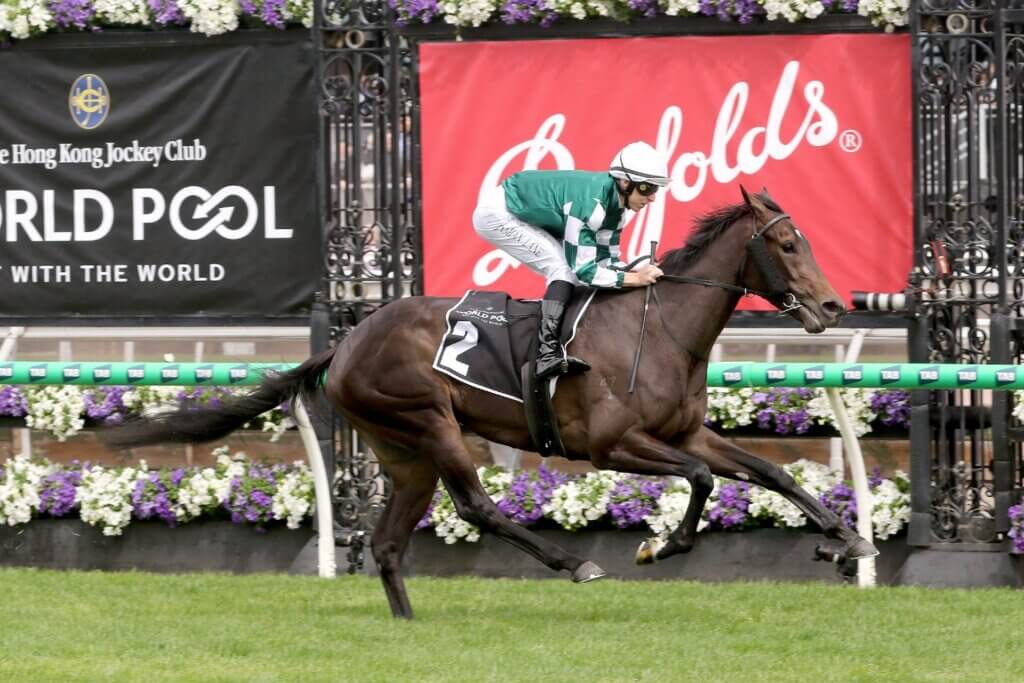
That’s why I keep coming back to Treasurethe Moment in the 2025 Australian Oaks. I’m not here to run a trial on the rider Damien Lane. It’s not about him – it’s about the principle. That horse does not win without over-use of the whip. Damian Lane thought he was going to lose and went over the limit.
If you won’t take the race off in a case like that, then you’re never taking one off. And if you’re never taking one off, the jockeys will learn the lesson quickly: nothing really happens.
Australian stewards are world class – they are the best at handling interference and keeping jockeys safe, they are great at protest hearings – so why can’t they get the whip rule right?
Once riders know that they can’t lose a race, the whole thing becomes farcical. If I was riding now, I’d simply arrange with the owner beforehand: “If I get fined, you’re covering it.” Because under the current system, the upside is winning and the downside is manageable. That’s how competitors think.
Hong Kong has got closer to a rule that can actually work because it focuses on what’s enforceable: no consecutive strikes before the 100 metres, with discretion over the last 100 as long as it’s not inappropriate. That’s realistic. But Australia’s rules do not work because you can get an unfair advantage and win the race without any danger of it being taken off you. How is that fair on the second-placegetter’s connections?
So here’s the bottom line. If whip rules matter – if racing wants to pretend they matter – then stewards have to be prepared to take races off people. Until that happens, riders will keep pushing the line.
Best Since Black Caviar: Can New Aussie Sprint Sensation Challenge Ka Ying Rising
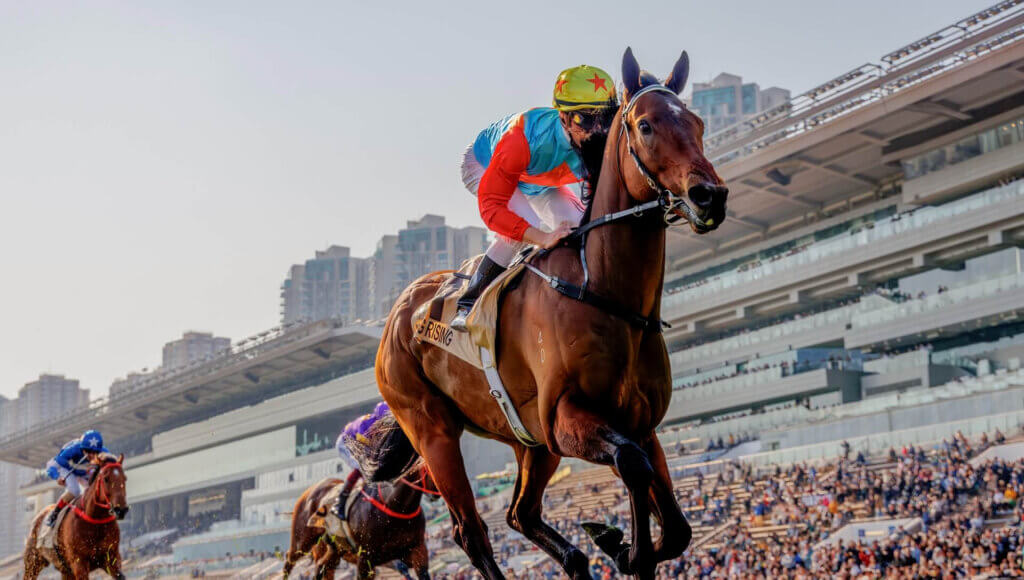
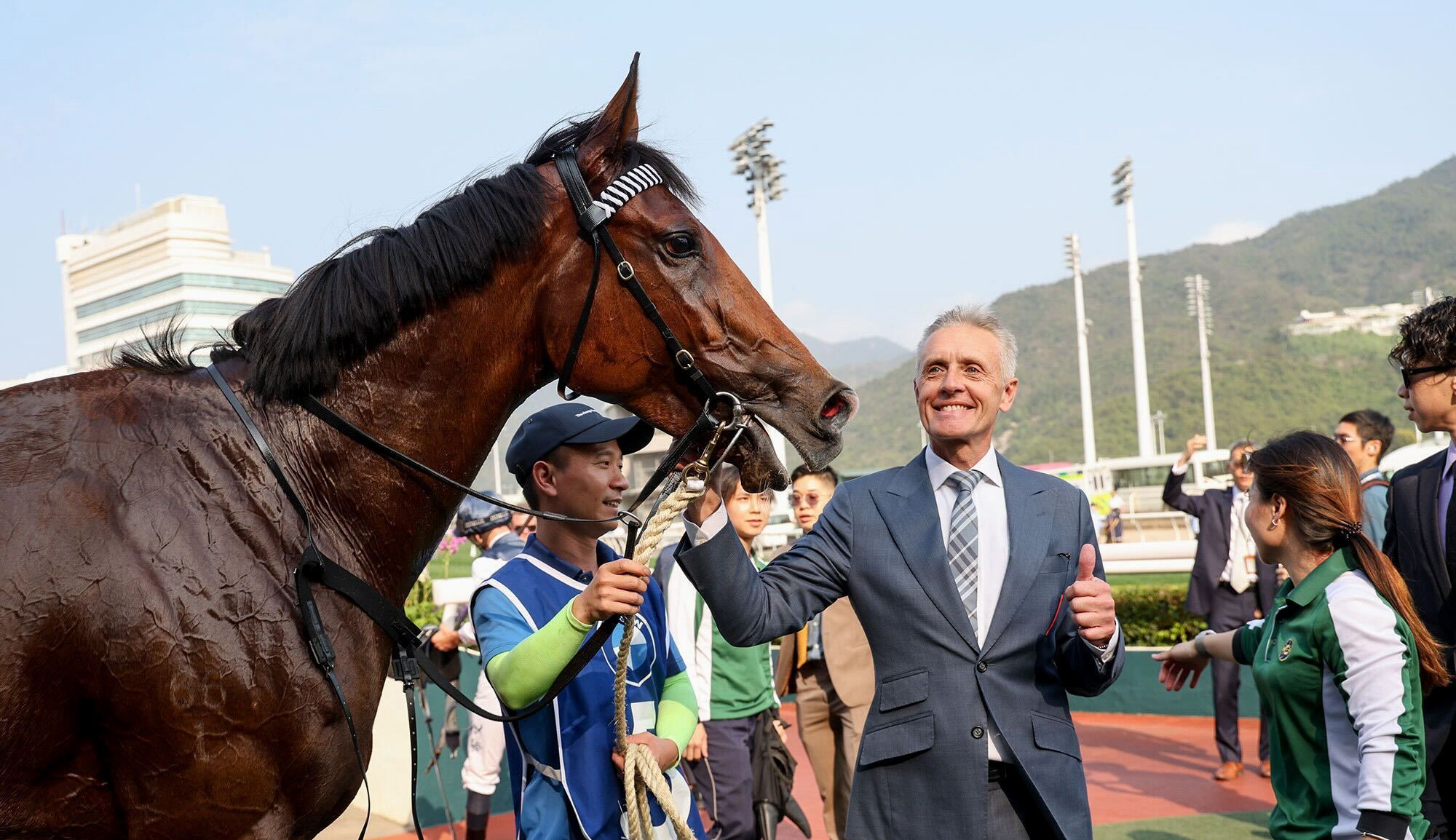
Ka Ying Rising should stroll to a record-breaking 18th win at Sha Tin on Sunday in the G1 Queen’s Jubilee Cup. When a horse is this good and the race is right, it’s not really a question – it’s a formality. That’s what champions do.
But the bigger story isn’t Sunday. It’s what’s brewing in Australia.
Tentyris’ win in the G1 Black Caviar Lightning was outstanding – and I don’t throw that word around. He got back and when it was time for Damian Lane to ‘push the button’ he quickened in a way that only a champion can. It wasn’t a weak field – this was a strong Group 1 sprint.
I said it after his Caulfield win last spring – horses don’t do what he did there to win. And then he backed it up in the G1 Coolmore Stud Stakes. Saturday just confirmed what I already believed: he’s the best sprinter out of Australia since Black Caviar.
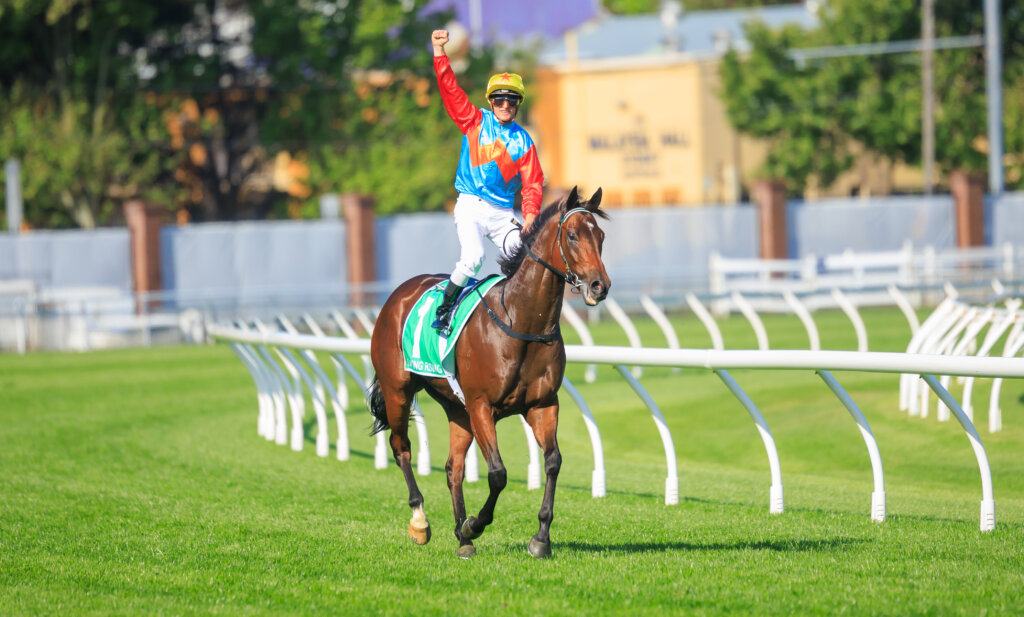
Now, people will ask: can he beat Ka Ying Rising? And the answer depends on which Ka Ying Rising turns up.
In Hong Kong, forget it. Ka Ying Rising at Sha Tin running his sectionals, setting his tempo, doing what he does – no Australian sprinter is beating him there. The way he sustains pressure from the 600 and just keeps running, that’s a different beast on his home track.
But Australia is a different assignment. And when Ka Ying Rising went to The Everest last year, he wasn’t at his best. He still won – because he’s a champion and champions find a way. But he wasn’t the same horse we see at home.
That’s the point. If Ka Ying Rising goes back to Australia below his best again – even ten per cent off – Tentyris can beat him. This is a young horse who quickens like a proper sprinter, relaxes early and has the profile to take another step. He’s not a horse you can afford to underestimate if you’re not at your absolute peak.
Ka Ying Rising doesn’t have to be at his best to beat horses like Joliestar, Jimmysstar or Lady Shenandoah – but he will have to be at his best to beat Tentyris.
So when Ka Ying Rising heads back for another Everest, he needs to be better than he was last year. Because for the first time, there’s a horse over there good enough to punish him if he’s not. ∎