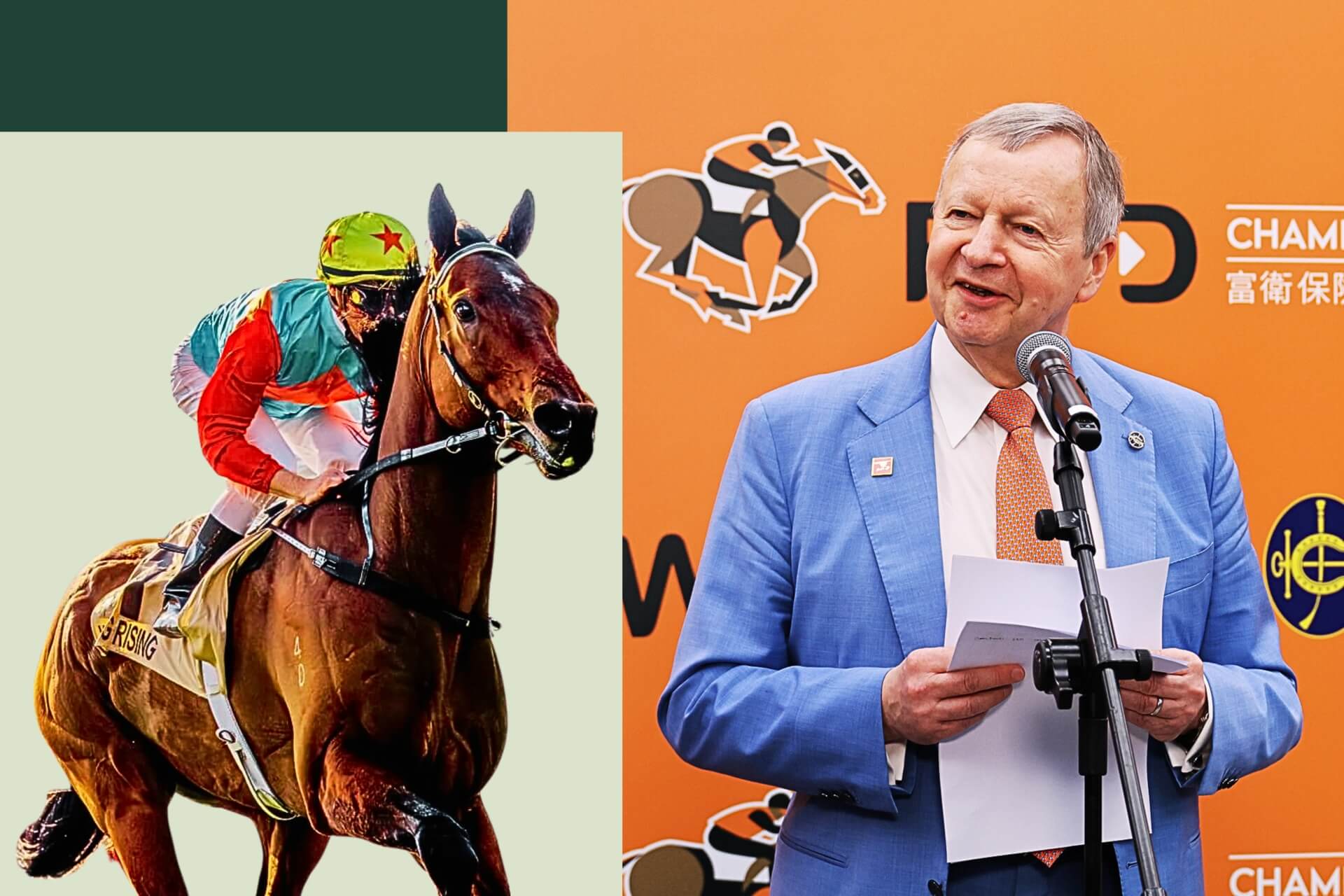
The Hong Kong Jockey Club’s plan to race Ka Ying Rising at Conghua Racecourse in mainland China is gathering momentum, with chief executive Winfried Engelbrecht-Bresges confirming the date and describing the proposal as a statement to the world.
The G2 Jockey Club Sprint – a 1200m race that serves as the primary lead-up to December’s G1 Hong Kong Sprint – is targeted for Conghua’s second meeting of the season on November 21.
“I am positive and optimistic – the owner is very keen, we still have to have some discussions with the sponsor but my understanding is that the international pattern committee would be supportive – I think it is only a change of track, which has been supported multiple times, so I am pretty optimistic – and it would be sensational,” Engelbrecht-Bresges told Idol Horse.
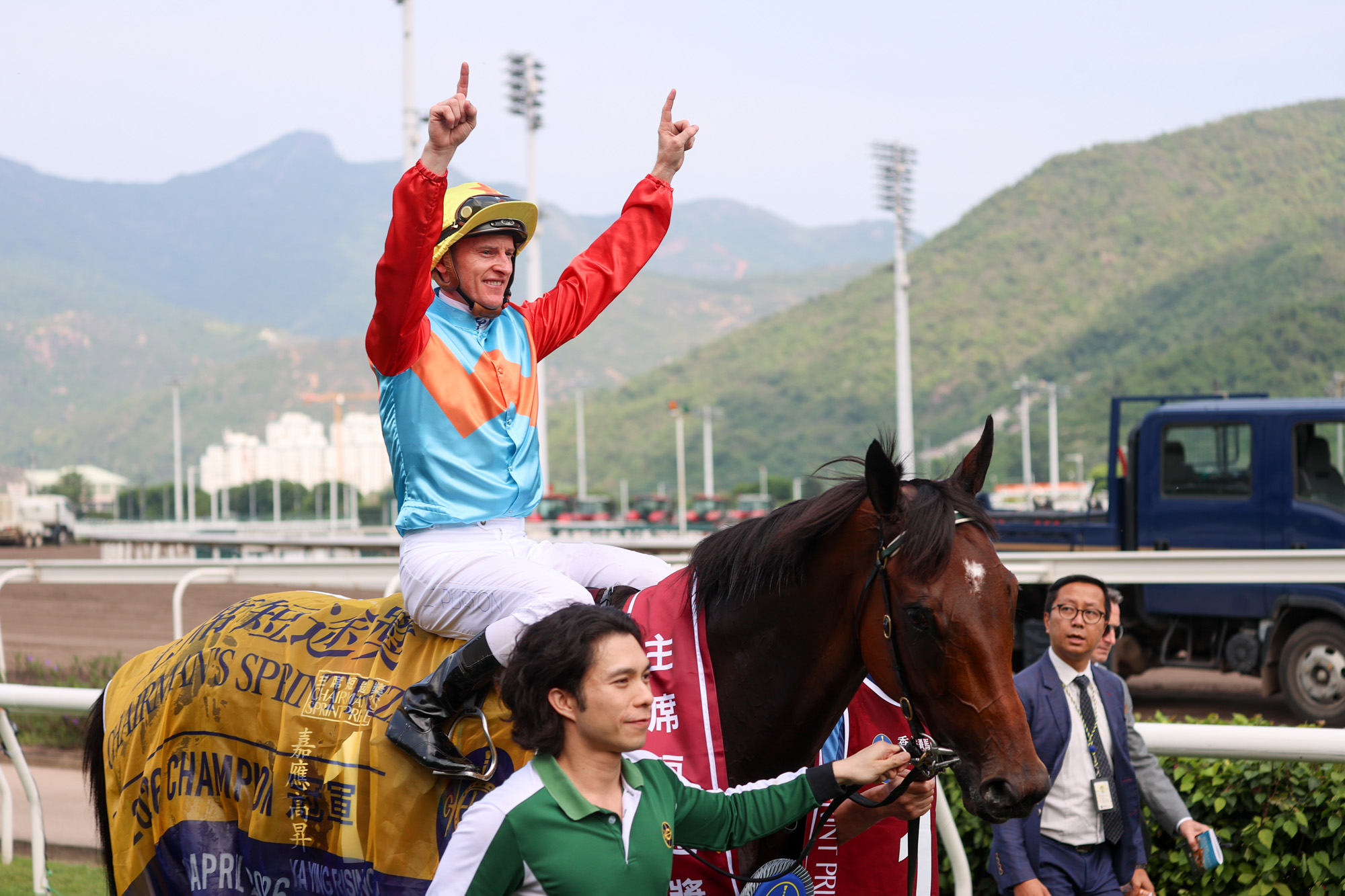
Ka Ying Rising arrived at the Jockey Club’s Conghua training complex on May 1 for a break after completing a perfect season in Hong Kong, capped by a track record-breaking 20th consecutive victory in the G1 Chairman’s Sprint Prize on April 26. He is the world’s top-ranked racehorse so far in 2026 on the Longines World’s Best Racehorse Rankings.
The five-year-old is no stranger to Conghua. Trainer David Hayes has used the facility as Ka Ying Rising’s base between races throughout his career, crediting the environment with helping maintain the gelding’s physical and mental freshness. Hayes and syndicate manager Leung Shek-kong have both endorsed the plan.
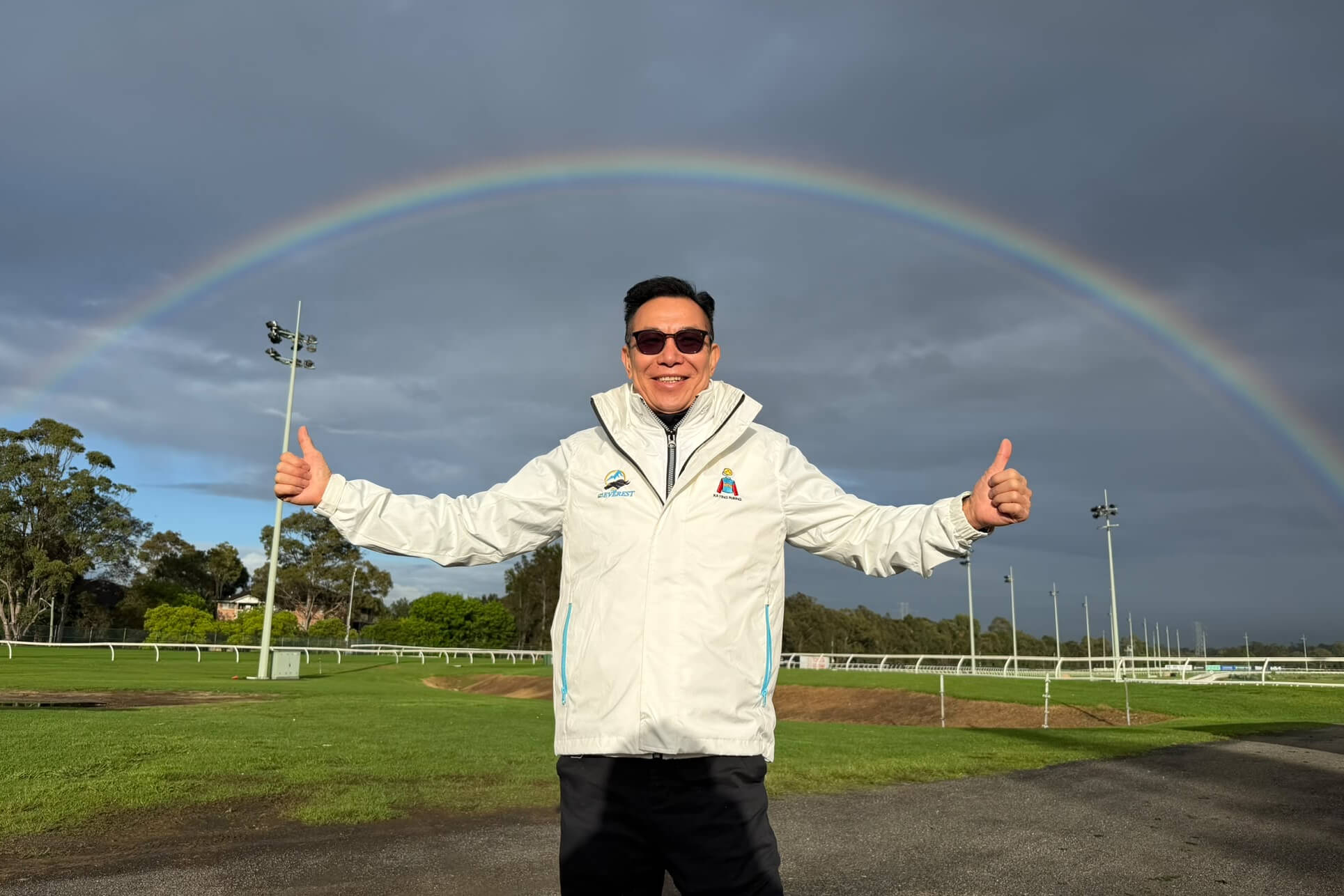
November 21 was chosen to fit Ka Ying Rising’s schedule. He is expected to defend his title in The Everest – the world’s richest turf race – at Royal Randwick in Sydney in October before returning to Hong Kong and clearing quarantine ahead of the Conghua assignment.
“It will be the 21st, he has to be able to get back from The Everest and get out of quarantine – and it has to lead into the Longines Hong Kong Sprint,” Engelbrecht-Bresges said. “We wanted to do the 28th, but with this situation it will be the 21st. We have discussed this with the trainer and the owner.”
A final decision is expected by the end of the Hong Kong racing season on July 16.
Ka Ying Rising’s dominance has created an unusual financial dynamic in Hong Kong. He has opened at the Jockey Club’s minimum win dividend of $1.05 at his last nine local starts, and at his most recent outing attracted HK$94 million of the HK$97 million in the win pool – meaning the Club effectively subsidises the payout.
But Engelbrecht-Bresges was clear that the financial equation is not driving the Conghua proposal. Wagering on horse racing is not permitted on the mainland, so the Conghua meetings will carry no betting.
“The betting situation has no influence – it helps that it is not a multi-billion dollar betting race but for me this race is a symbol, a statement that horse racing has arrived in mainland and is world class,” he said. “It is a statement of intent, of stature, and to show the world these facilities – not only as a training centre but as a racecourse.”
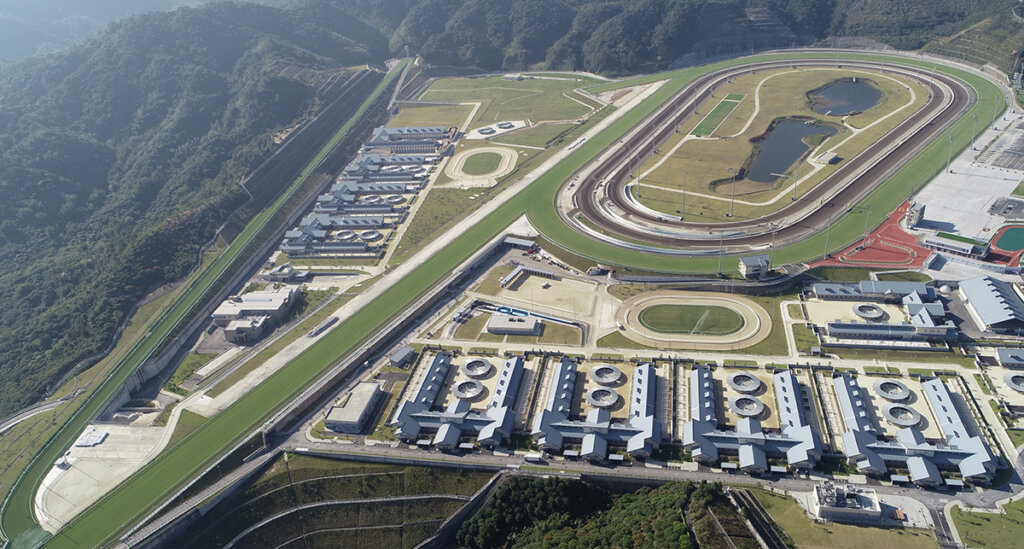
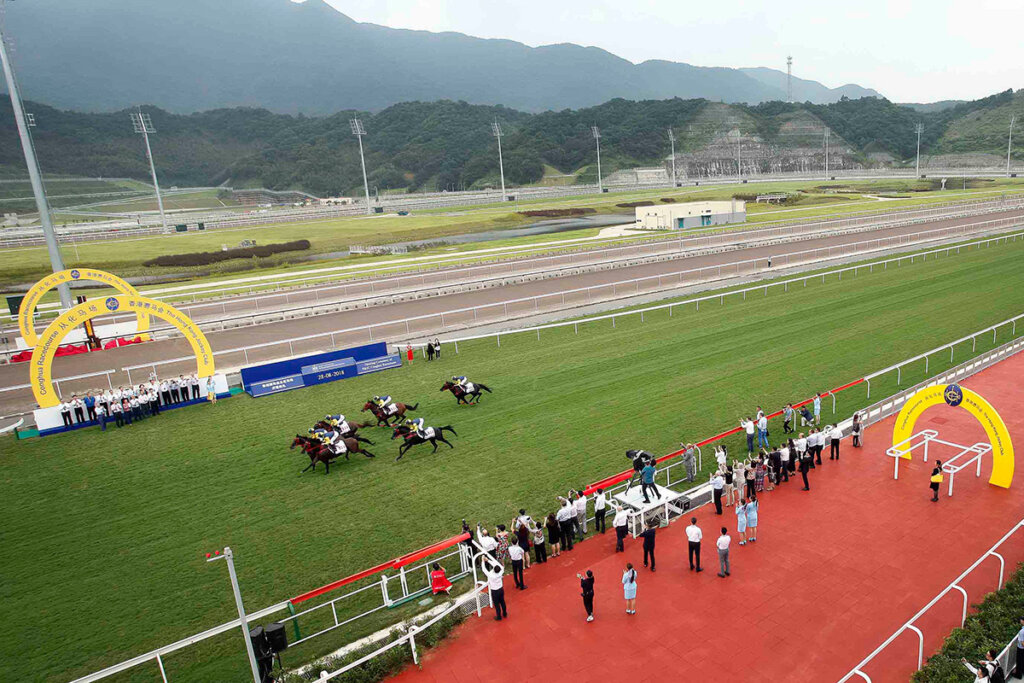
Conghua Racecourse opened in August 2018 in the Conghua district of Guangzhou, about 150 kilometers north of Hong Kong. Built on the site of the 2010 Asian Games equestrian venue at a cost of HK$3.7 billion, it operates as a satellite training and spelling center for HKJC horses under a dual-site model with Sha Tin.
But the facility was always designed to host racing. Its turf track is 2000m in circumference – 100m larger than Sha Tin’s – and the home turn has a longer radius than Sha Tin’s, giving horses more room to balance before entering the straight. For a horse like Ka Ying Rising, who travels through his turns with devastating efficiency rather than waiting to accelerate afterward, the sweeping bends could be a further advantage. The home straight has a slight incline, adding a stamina element that rewards sustained speed over a late burst.
Only one competitive meeting has been held at Conghua – a five-race exhibition day in March 2019. Just three 1200m races were run that day, the fastest clocked at 1:09.28 by Nordic Warrior. Ka Ying Rising’s Sha Tin track record stands at 1:07.10.
Engelbrecht-Bresges joked: “It will definitely be a track record,” adding, “He will enjoy that track.”
The Conghua meeting is expected to feature five or six races. The first meeting on October 31 will be an official opening, with government guests, while the November card is designed to showcase world-class racing.
“The first meeting will be interesting but the next meeting is where we can show what world-class racing, sports and entertainment really is,” Engelbrecht-Bresges said.
Hayes has indicated Ka Ying Rising will follow the same eight-race schedule as last season, beginning with the Chief Executive’s Cup at the 2026–27 season opener in September and then a shot at a second Everest in Sydney on October 17.
As for those calling for Ka Ying Rising to take on new challenges in Europe or even a match race against a rival sprinter, Engelbrecht-Bresges was unmoved.
“If you want a match race, come here – it is the easiest place to come. Come right out of quarantine, train on the track and you can compete against the best in the world,” he said. “If you ask people, they know one horse – if you want to challenge the champion, you don’t ask for him to come to you.” ∎