Venue: Chukyo
Distance: 1200m
Value: ¥369,900,000 (about US$2,387,000)
The Takamatsunomiya Kinen is the first of Japan’s Group 1 turf races for the season and the first of two Group 1 sprints the Japan Racing Association (JRA) stages each year, the other being the G1 Sprinters Stakes at Nakayama in October.
The race used to be a 2000m contest, known as the Takamatsunomiya Hai, when it was won by some of Japan’s best-loved stars, including Haiseiko, Tosho Boy, and the legendary Oguri Cap. The popular Nice Nature won the race in 1994 but it was changed thereafter to a 1200m race and was subsequently renamed the Takamatsunomiya Kinen. Since then, the honour roll includes Japan’s greatest sprinter Lord Kanaloa and the Hong Kong star Aerovelocity.
NAMURA CLAIR’S LAST CHANCE
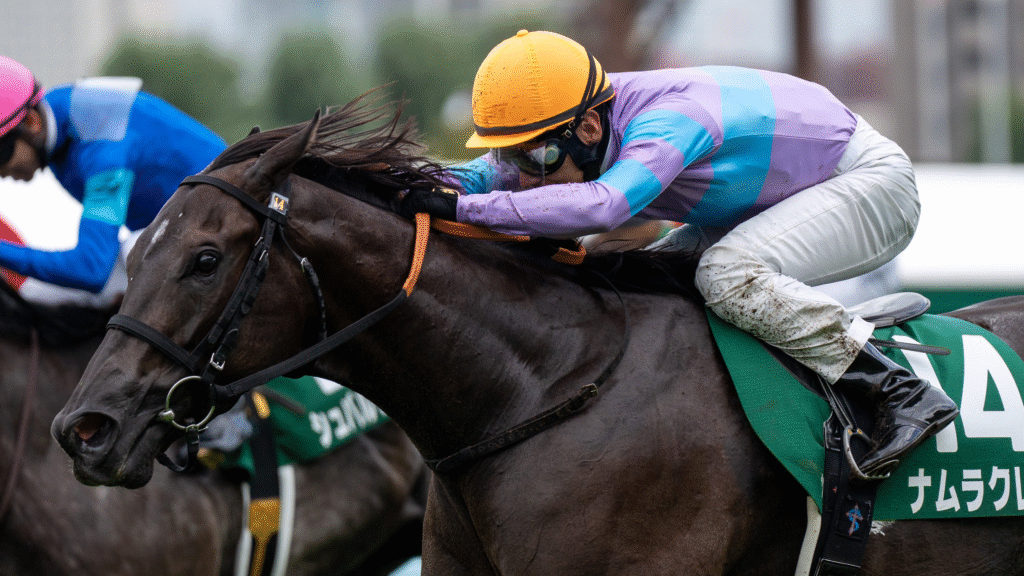
Well, this is it. Namura Clair’s last race will be the Takamatsunomiya Kinen and if she wins, the fans will lift the roof right off the Chukyo grandstand with their roar. The popular seven-year-old mare has placed second in each of the last three runnings of this race, losing by a length to First Force in 2023, by a head to Mad Cool in 2024, and by three quarters of a length to Satono Reve last year.
Namura Clair was also third in the G1 Oka Sho, Japan’s 1,000 Guineas, as a three-year-old and has placed third in the last three editions of the G1 Sprinters Stakes. She is a four-time Group 3 winner and in 2024 landed the G2 Hanshin Cup, a race she was second in at her latest start in December. Victory here would be a celebrated reward before she heads off to the paddocks and motherhood.
SATONO REVE BACK-TO-BACK?
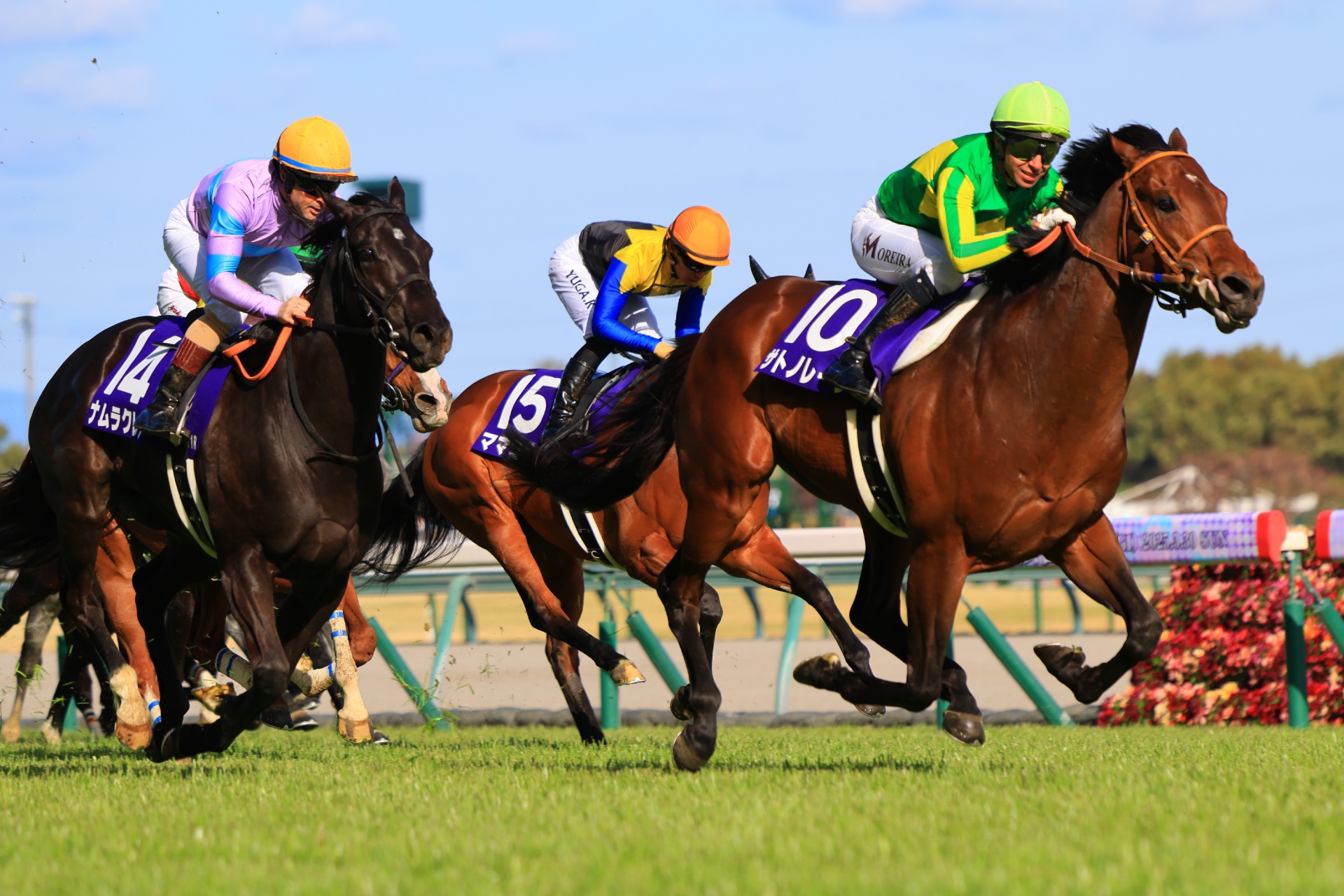
Satono Reve proved he was Japan’s best sprinter when he won this race last year and then went on to place second in the G1 Chairman’s Sprint Prize in Hong Kong and the G1 Queen Elizabeth II Jubilee Stakes at Royal Ascot. But he will be entering rare ground if he can win this.
Since the race became a sprint, only one horse has won in consecutive years, Kinshasa No Kiseki in 2010 and 2011. The son of Lord Kanaloa must bounce back from two defeats though: fourth place in last year’s Sprinters Stakes and then a sub-par ninth behind Ka Ying Rising in Hong Kong in December, which ranks as the heaviest defeat of his career.
HORI SHOOTING FOR A RECORD
In Satono Reve’s favour is that his trainer Noriyuki Hori knows all about preparing a horse to win this back to back: he also trained Kinshasa No Kiseki. And he will take the record for most wins in the race if the seven-year-old does win this.
Hori’s three Takamatsunomiya Kinen wins has him currently equal with the retired Takayuki Yasuda, whose own trio of wins was achieved with the speedy mare Curren Chan (2012), Lord Kanaloa (2013) and Lord Kanaloa’s son Danon Smash (2021). Fitting, perhaps, that Hori is looking to another son of Lord Kanaloa to give him the outright record.
SPRINTERS FOLLOW-UP FOR OLD MAN WIN CARNELIAN
If Win Carnelian were to win the race, at nine years old, he would become the oldest Group 1 winner the JRA has ever seen. He would also follow-up on his Sprinters Stakes win almost six months ago. That’s no easy task: in fact, only three horses have won the Sprinters one year and the Takamatsunomiya Kinen the next: Believe in 2002 and 2003, Curren Chan in 2011 and 2012, and Lord Kanaloa in 2012 and 2013.
The two races are different tests, though. The Sprinters is on fast, early autumn ground, around right-handed Nakayama with its short (310m) home straight, which climbs steeply through the final 200m. The Takamatsunomiya Kinen is on spring ground, it is usually wetter, and it is left-handed, with a longer home straight (412.5m) and a noticeable incline between the 400 and 250m, which levels off towards the finish.
THE NEXT BIG SPRINTER MILER?
The mighty Lord Kanaloa earned the label of sprinter-miler when he went on to win Japan’s top summer mile race, the G1 Yasuda Kinen, after he had proven his greatness at sprint distances. Few horses are able to establish that level of elite credential with Group 1 wins in both spheres, but Panja Tower is being aimed that way.
He’s doing things the other way around, though. The four-year-old won last year’s G1 NHK Mile Cup at Tokyo and has since gone down the sprinter route. He started well, winning the G3 Keeneland Cup at 1200m in August, but has raced off-shore in his two races since. He held his own when fifth behind Australia’s crack filly Autumn Glow in the lucrative Golden Eagle at Randwick over 1500m and was fifth again behind the American Reef Runner in the G2 1351 Sprint in Saudi Arabia last time.
Success here would mark Panja Tower as the future of Japanese sprinting and maybe he will be back over a mile at Tokyo in June for the Yasuda Kinen to make that sprinter-miler label stick.