Wong Tang-Ping And The Making Of Hong Kong Racing’s First Superstar
Before Silent Witness, Golden Sixty, Romantic Warrior or Ka Ying Rising, there was Co-Tack. Idol Horse catches up with trainer Wong Tang-ping – now 89, still walking the Valley each morning, still studying form and still “addicted to horses.”
Wong Tang-Ping And The Making Of Hong Kong Racing’s First Superstar
Before Silent Witness, Golden Sixty, Romantic Warrior or Ka Ying Rising, there was Co-Tack. Idol Horse catches up with trainer Wong Tang-ping – now 89, still walking the Valley each morning, still studying form and still “addicted to horses.”
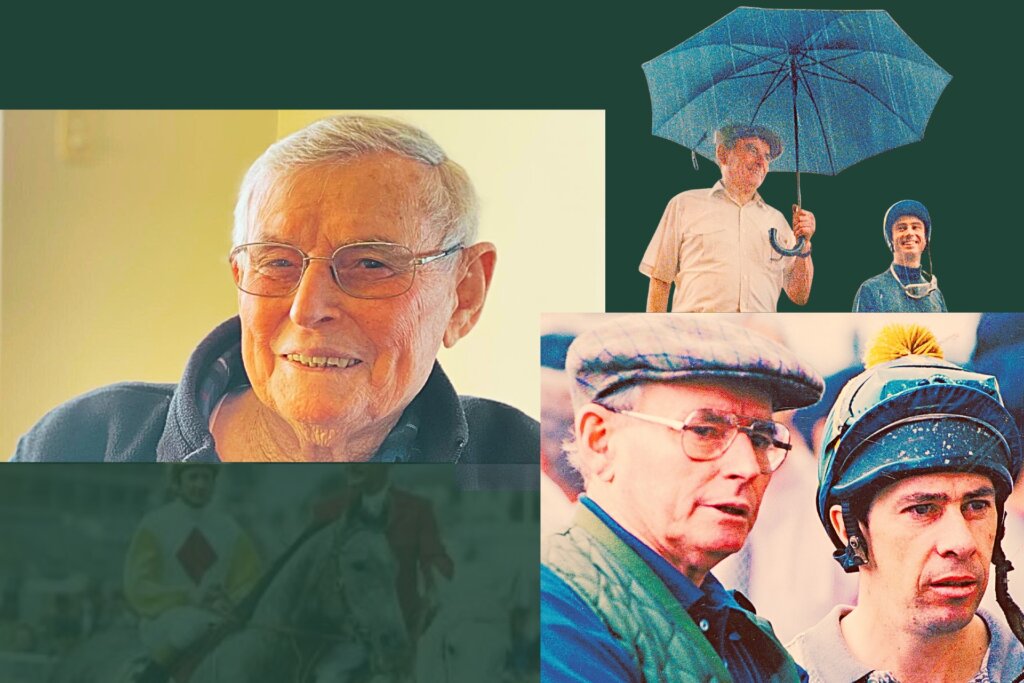
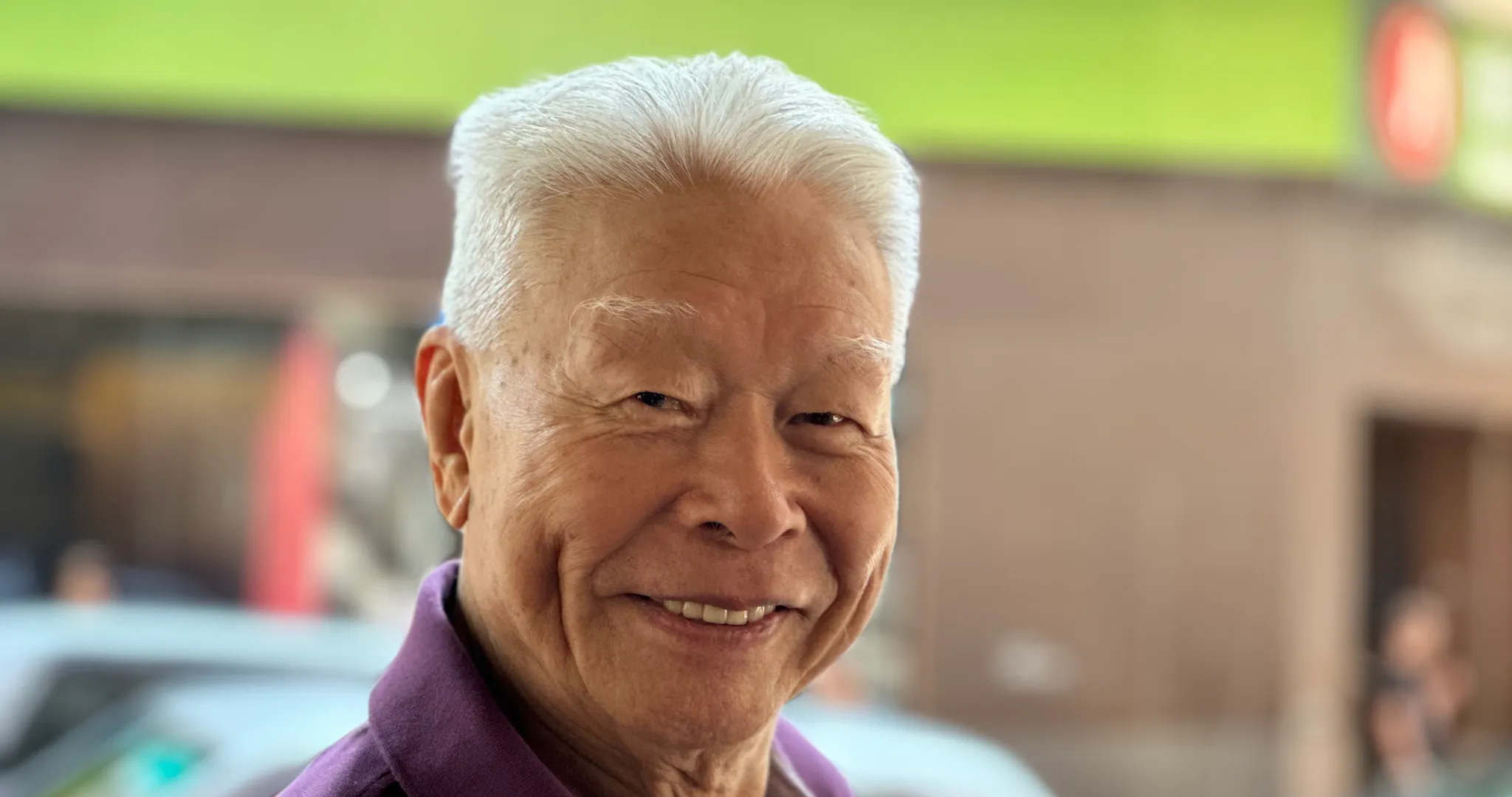
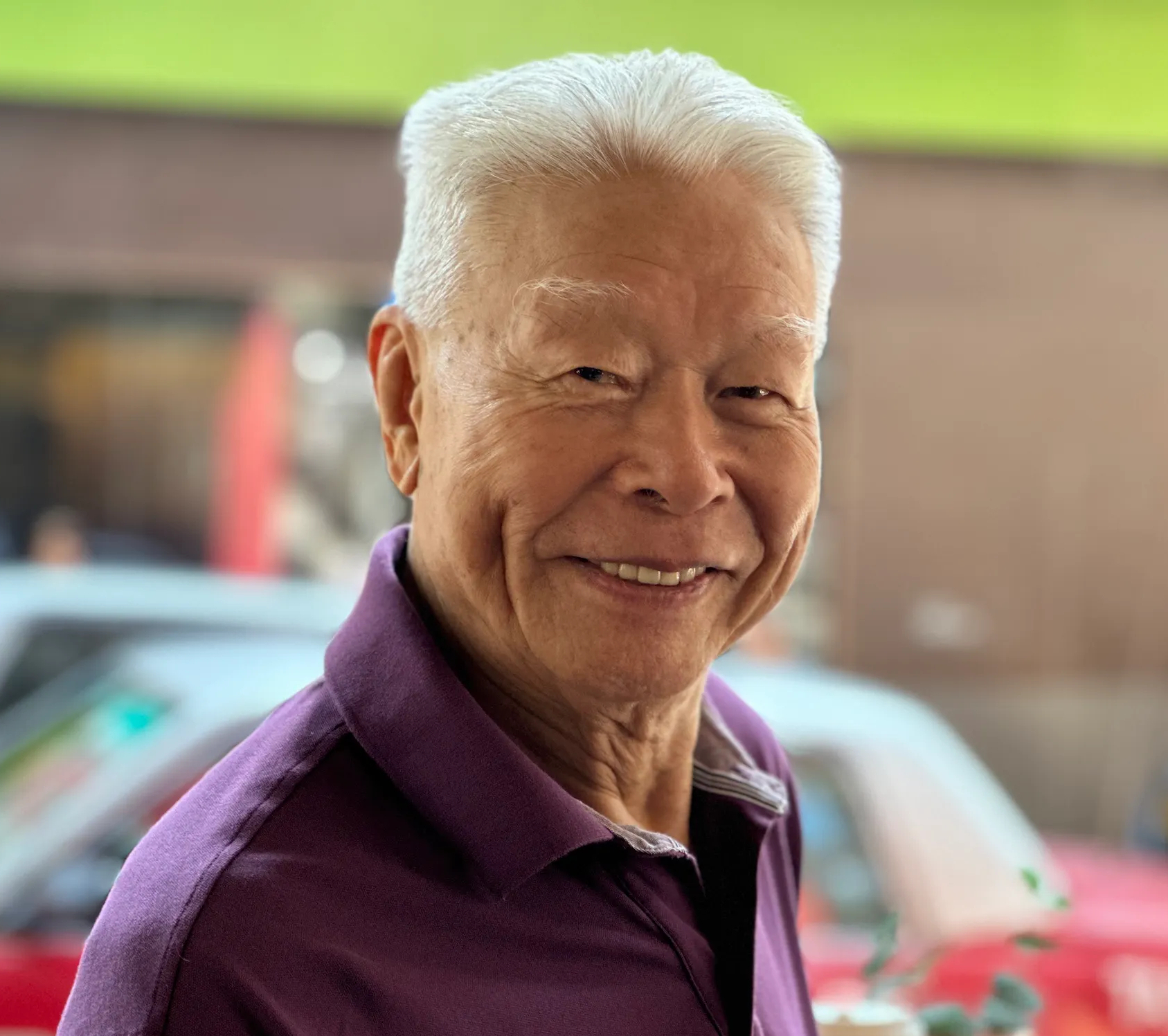
25 February, 2026FROM HIS SEAT by the front window of a Happy Valley café, Wong Tang-ping watches a street he’s known since before most of the towers on it existed. Trams rattle past the tail end of Blue Pool Road, along Wong Nai Chung Road as it follows the arc of the racecourse’s home turn. Wong sits bolt-upright at his table, posture as straight as a riding crop, hands resting neatly before him.
At 89, that ramrod-straight back is the result of necessity turned habit. “I had bad rheumatism when I was 18,” he says, his warm baritone voice rolling out each word in perfect diction. “I suffered for 15 or 16 years. One Chinese herbal doctor cured me in two weeks. Since then, he told me, ‘better be straight in your back.’ I couldn’t bend easily, so I got used to it.”
The habit has long outlasted the ailment. More than two decades after hanging up his trainer’s licence, Wong remains the straight-backed old horseman of Happy Valley, still walking around the track each morning, still studying form and still running his tipping service for members. “Racing to me is like a hobby,” he says – before quickly correcting himself. “Like addiction. Addicted to the horses.”
We start by asking ‘ah Ping’ who is the greatest horse he has seen in a lifetime around racing, and he doesn’t hesitate. “I reckon my horse,” he says. “He carried 154 pounds to win, I still reckon my Co-Tack. He’s the best horse ever in our town.”
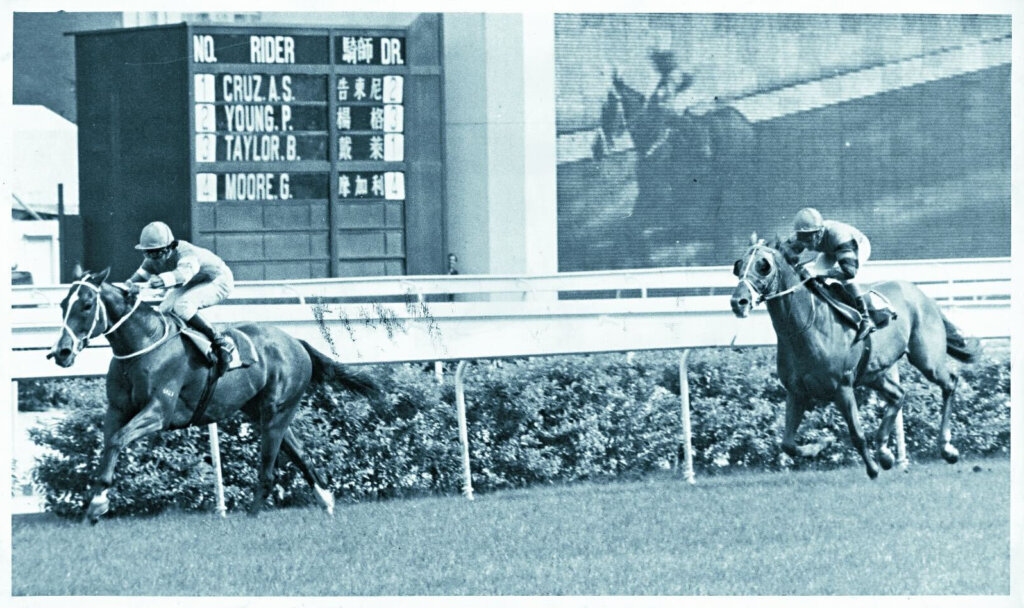
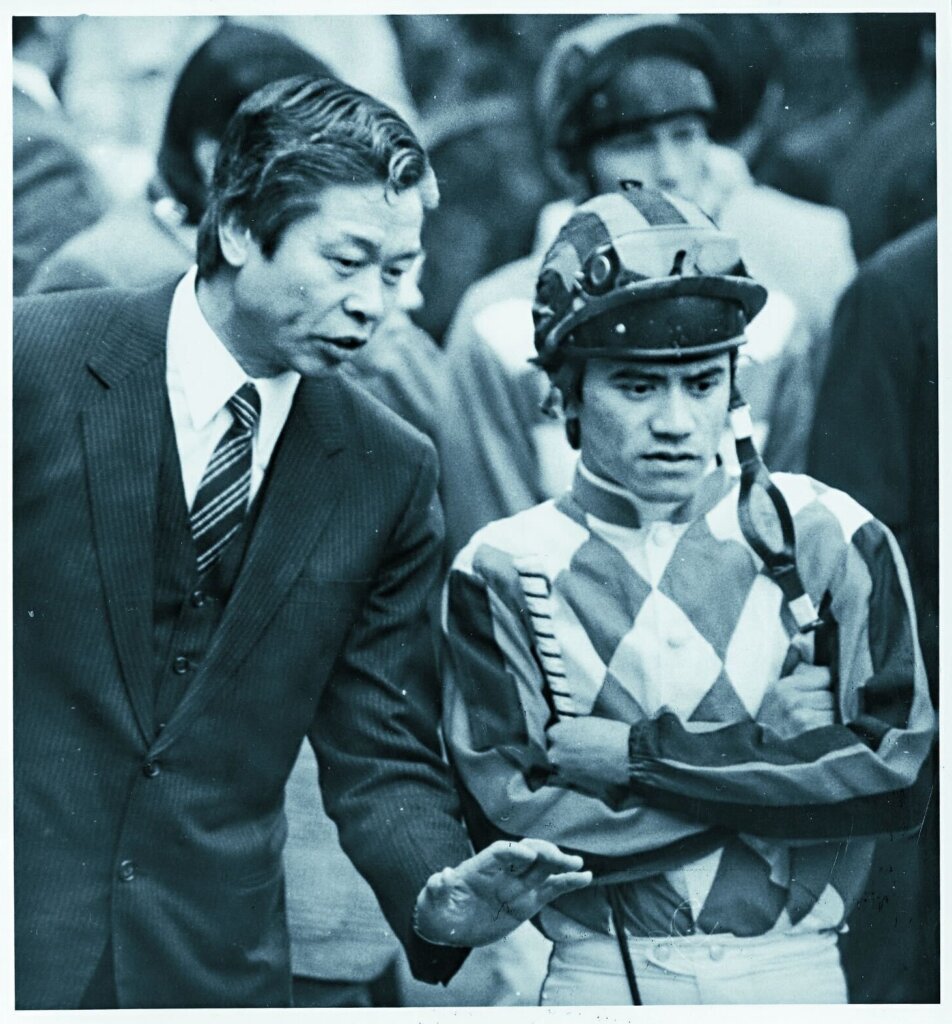
After all these years – after Silent Witness broke Co-Tack’s consecutive wins record, after the champions that followed like Beauty Generation, Golden Sixty, Romantic Warrior and now Ka Ying Rising – Wong’s answer hasn’t changed. Co-Tack. Always Co-Tack.
The horse that became Hong Kong’s first equine superstar in the professional era came from nowhere. Purchased in Australia for A$20,000, the gelding called Brash Prince had undistinguished breeding and one very minor win from five starts. His future owners, the Tsui brothers, had joined the Jockey Club more for social reasons than horse enthusiasm, armed with scribbled notes from Wong on what to look for.
“Later Tsui Tack-suen told me he had purchased the horse in accordance with my criteria,” Wong recalled years later in an interview with the South China Morning Post. Long legs. That was the key. For 20 grand Aussie, Brash Prince was on his way to a new home and a fresh name: Co-Tack.
The horse was difficult from the start. He threw French rider Philippe Paquet in a barrier trial and refused to be ridden by him again. Francis Lui Kin-wai – now a champion trainer himself and handler of Golden Sixty – inherited the ride and remembers the nerves.
“He was a good horse with a good fighting heart, but in the early stages, he was difficult,” Lui said in a 2004 interview. “Even in morning trackwork, he was not an easy ride. He had a real problem with the starting gates. He would rear up and you had to be very careful.”
Co-Tack made his local debut on January 3, 1982, at Sha Tin – Class Three, 1200 metres – and missed the start. He finished third. Wong forecast the horse would be something special. That was the last time Co–Tack would be beaten for nearly two years.
What followed became the stuff of Hong Kong racing lore. Ten straight wins through 1983, at Sha Tin and Happy Valley, on wet tracks and dry, dirt and turf, carrying weights that would cripple lesser horses. He won the Derby, the Silver Tankard, the Sha Tin Trophy, the Gold Cup, back-to-back Champions & Chater Cups. For most of the streak, a young Tony Cruz was in the saddle.
“I tried to make history,” Wong says now. “There are a lot of horses that win 13 races, but not straight. Eight winners, 10 winners – not straight. I try to create a story – my horse was the first horse in Hong Kong to win continuously for 10 races in a row.”
The moment George Moore discovered what Wong had on his hands remains vivid. Wong had been beating Moore’s European imports – expensive ‘PP’ (Private Purchase) horses from France – and the legendary Australian trainer couldn’t understand it.
“George came back and said, ‘What the f— is this horse? From where (did) he come?'” Wong recalls, smiling. “I told him ‘From Melbourne’. He called back to Melbourne, next morning George told me – this horse is a freak.”
Wong didn’t know what the word meant. “I didn’t understand, what’s a ‘freak’?” he laughs. “They explained, he is a fluke – a special horse. Only Co-Tack is this special.”
The streak ended at Happy Valley in November 1983. Carrying 154 pounds, Co-Tack finished second to Football, a Derby and Gold Cup winner, conceding him 31 pounds. Even in defeat, the performance was extraordinary.
Twenty-four years later, Silent Witness would break the record, notching eleven straight under Cruz’s training – and eventually extending that record to 17. By then, Cruz had transformed from the jockey who rode Co-Tack to glory into one of Hong Kong’s elite trainers. Of course Wong harbours no resentment at Cruz being the man who broke his record, since surpassed by Ka Ying Rising. “Tony is a great friend,” he says. But when pressed on comparisons between Co-Tack and the other all-time greats, Wong is unequivocal.
“Really, you cannot compare. It’s like apples and oranges. Co-Tack won at different distances, with big weights – the weight is most important. Co-Tack carried weights over 150 pounds to win. Different game entirely.”
Ask Wong to name the greatest jockey he’s seen and the answer is just as adamant: Tony Cruz.
“Tony Cruz, Hong Kong,” he says with certainty. The bond between them runs deeper than Co-Tack. Wong watched Cruz suffer through terrible injuries, including a devastating fall in France that nearly ended everything.
“He told me, when he fell, he thought, ‘I’m gone,” Wong says quietly. “But he survived. Now he’s happy. Grandchildren, family. He deserves this happy life.”
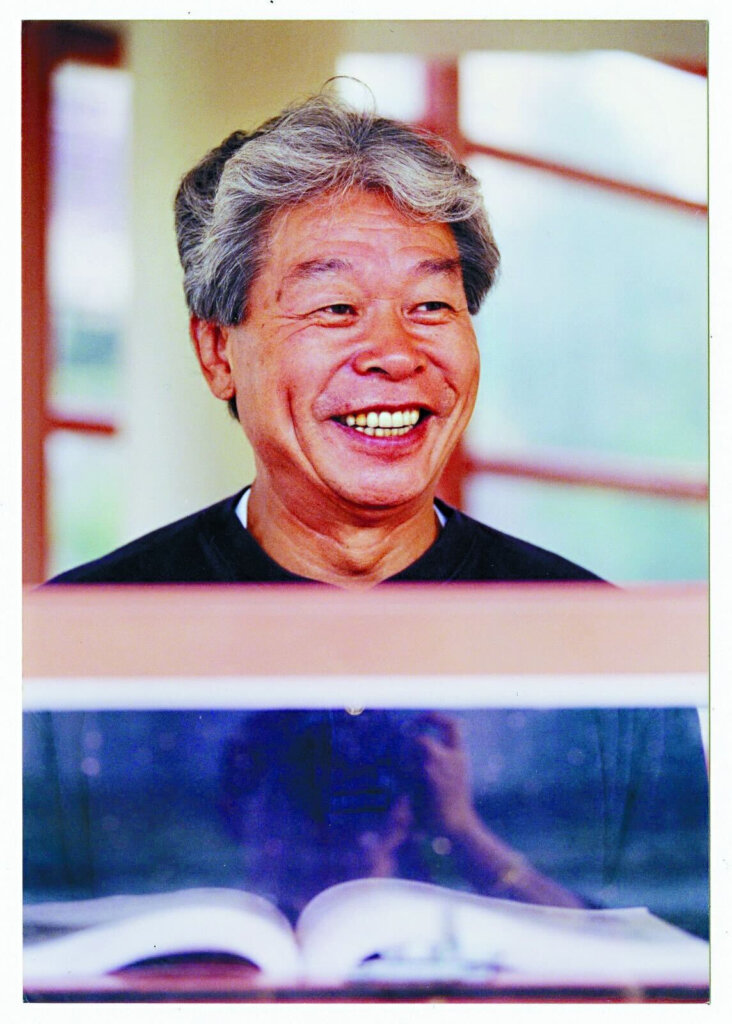
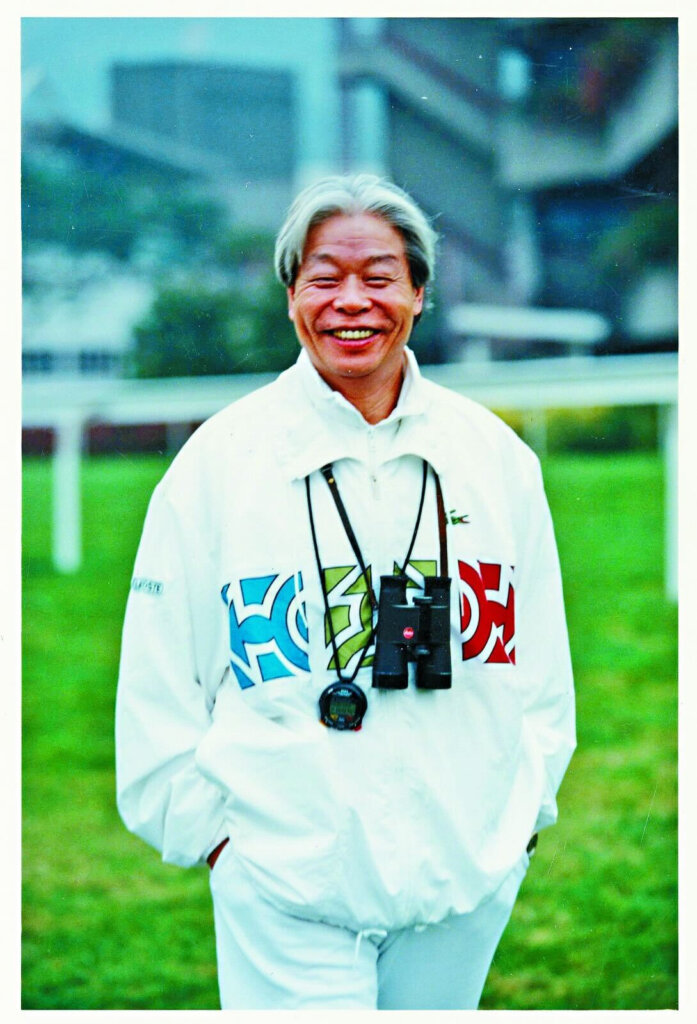
Long before Co-Tack, there was a boy on a boat.
Wong was four or five years old when the horror of the Second World War came and his family fled Hong Kong – his mother, his sister and him, heading north by sea to Jiangsu province, inland from Shanghai, where they had relatives. His father and older brother stayed behind. The vessel was a cargo ship, “not much bigger than a Star Ferry”. It was certainly not built for the open ocean.
“The waves,” he says, and pauses. “Like buildings. Fifteen storeys high, coming up and coming down.” He holds his hands apart to show the pitch of the deck. “Four nights and five days.”
He was too young to understand why they were leaving but he has never forgotten what the sea felt like. Eighty years later, the memory still sits in his voice – the spray, the rolling, the helplessness of being a small child on a vessel you cannot steer in an ocean you can’t control. “That’s why I still hate boats,” he says. “Still cannot get used to it.”
What he remembers of wartime China is not soldiers or fighting. The Japanese soldiers never came to their village. “Too poor,” he says. “Never saw any Japanese. They don’t bother with us.” The family survived – barely. “We were lucky not to starve to death.”
When the war ended in 1945, they came back to a Hong Kong that was reshaped by the war. Wong was nine. He couldn’t speak Cantonese. He had spent his formative years in a Jiangsu village, schooled in the old Chinese style – classical texts, rote learning – and none of it transferred. He had to learn the language from scratch before he could even start school, and by the time he could, there was no money to pay for it.
The Happy Valley he came back to barely resembled the city that sprawls there now. “Just like a village,” he says. There were no buses, only trams, and not much reason to catch one. Happy Valley was smallholdings and shanty houses, with an open drain running down from the hills where a covered road now sits. Morrison Hill was still a hill, or at least half of one, as it was mined to reclaim more land from the harbour. “Old men working, crashing the small rocks,” Wong recalls. “Not much traffic back then,” he says. “Not many people could even afford the tram. We had to walk everywhere.”
Wong’s racing journey started in what he calls “an unlawful year” – 1952, age 15, technically too young to work. His father had been a stable assistant before the war, working for Russian trainer E.K. Tokmakoff, during an era when the ‘white Russian’ trainers who had arrived from Shanghai, dominated. Hong Kong racing was rebuilding after World War II when Wong slipped into the stables. “My dad said, ‘I cannot afford the school fees,'” Wong recalls. “So I followed him to the stable. The boss said, ‘you better say you are 17 – the lawful year for working.’ I only got about half the pay because I was an unlawful worker. But that’s okay. I just wanted to be with horses.”
The horses then were what Wong describes as “mongrels from Australia” – broncos that had never seen humans before being shipped abroad. “No pedigrees, nothing,” Wong says. “We ride those bad horses, wild horses, three months, four months. I used to fall a lot – over a hundred falls in the morning. The more falls, the more experience.”
He started as a mafoo, a stable lad, living in quarters above the old Happy Valley stables. “Pai Fong Street, Blue Pool Road, Shan Kwong Road – all quarters,” he says, gesturing out the window. “We lived there. Now, everybody is out at Sha Tin. But this is my home,” he says, tapping on the bench with his index finger, “Happy Valley.”
The rise from lad to trainer took decades. He worked through the 1950s, learning from Russian and British trainers, then from Australian hard men like George Moore, absorbing everything. He finally got his trainer’s licence in 1981, at 44 years old. Twenty-one years later, the age limit for compulsory retirement forced him out at 65.
In his penultimate meeting as a trainer, 12 June 2002, Wong sent out Asia Star to win at Happy Valley, then he won with his final runner at Sha Tin when Northern Gold Ball won the final race of a career characterised by a horse-first approach.
“All my life, I have preferred to be patient with horses and that didn’t change because it was my last year,” Wong told reporters after Asia Star’s win. “Why abuse horses if they are not mature? Horses like Asia Star just needed time to learn about racing. I don’t mind leaving a good horse for someone else when I go, so that the owner and the new trainer can enjoy the horse.”
Then he added: “In Hong Kong, we trainers live on the horses – we eat because of the horses, so I always believe that they should be handled kindly.”
Nearly 24 years later, that philosophy hasn’t changed. What worries him now isn’t the quality of trainers or jockeys but the system squeezing them.
“Now the good trainers are full-house all the time,” he says. “They have to push horses away to get new quality horses. Owners push, club push. Poor horses – they could be retired before they are mature. That’s why you see a lot of class five horses, over 50 starts, getting close to 100 starts. They are never allowed time to mature.”
He believes the club should find a way to expand the training ranks – increase the number of trainers from 22 to 25 trainers, and maintain a maximum 60 horses each, down from the current 70. “Much easier for trainers, better for horses,” he says.
For all his tactical acumen – he was renowned among jockeys who rode for him as a sharp judge who gave clear instructions – Wong’s love of horses comes down to something simpler. “The horse’s eyes,” he says. “Very smart, very sharp. Eyes to eyes – when you are angry with the eyes, he is scared. When you are kind to them, slowly muck them, talk to them, they are so nice, so quiet. They can judge you – whether you are friendly or unfriendly – straight away.”
Wong said it was important to have realistic expectations about horses. “You couldn’t make a class five horse class one,” he says. “They have their level. As long as you feed them well, train them well, they will run to their ability. Same as human beings – I cannot make myself a scientist. I have my own class, my own level.”
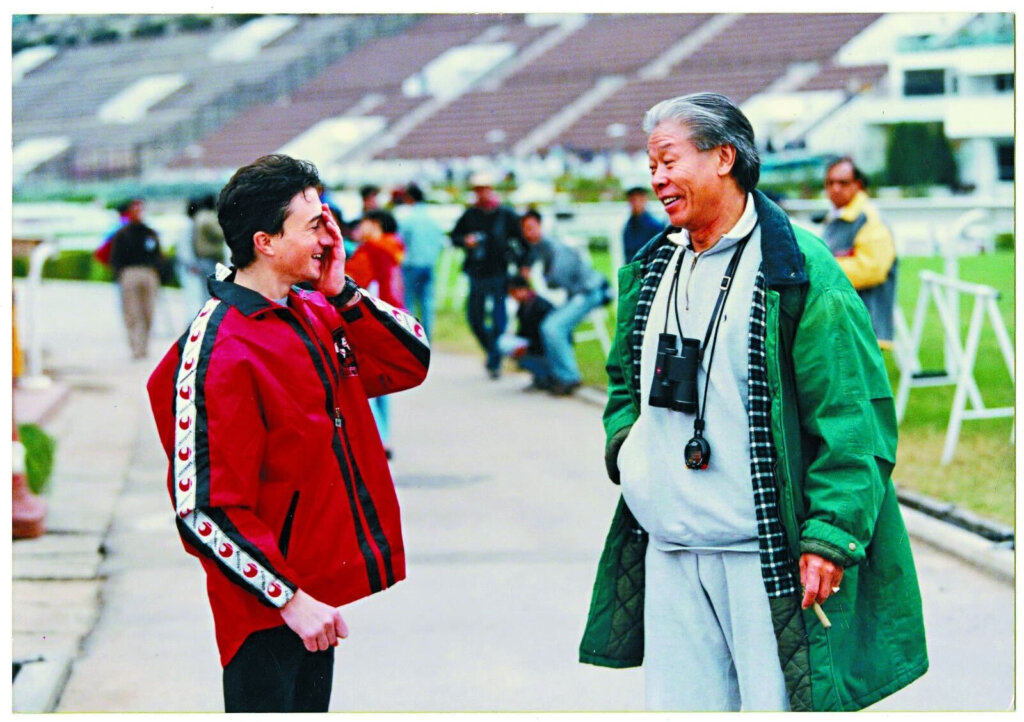
These days, Wong walks 5,000 or 6,000 steps around the Happy Valley track each morning, trying for 10,000. “I have to keep my mind busy,” he says. “Otherwise it’s easy to get dementia.” He still buys the occasional horse for loyal owners at New Zealand sales, still tips for members, still keeps close friendships with families like the Zigals who have been with him since his training day
“My old trainer, [George] Sofronoff, recommended me to Daniel Zigal’s mum Irene,” he says. “Since then, they never changed stable. Daniel is like my brother. His mum was my mum.”
Asked if he has hobbies outside racing, he waves it away. “No, I don’t. Sometimes cards with friends, no money, just fun. Good dinner. That’s enough. Horses keep me young.”
Out the window, another tram squeals past the corner. Wong doesn’t turn his head; he’s already seen enough trams for a lifetime. What still catches his eye, after all these years, is the same thing that hooked the boy trudging up Blue Pool Road to those old Happy Valley stables.
“The horses,” he says simply. “As long as I can walk to see the horses, I’m happy.” ∎