Latest News
08/05/2026
EXPLAINED | Umamusume
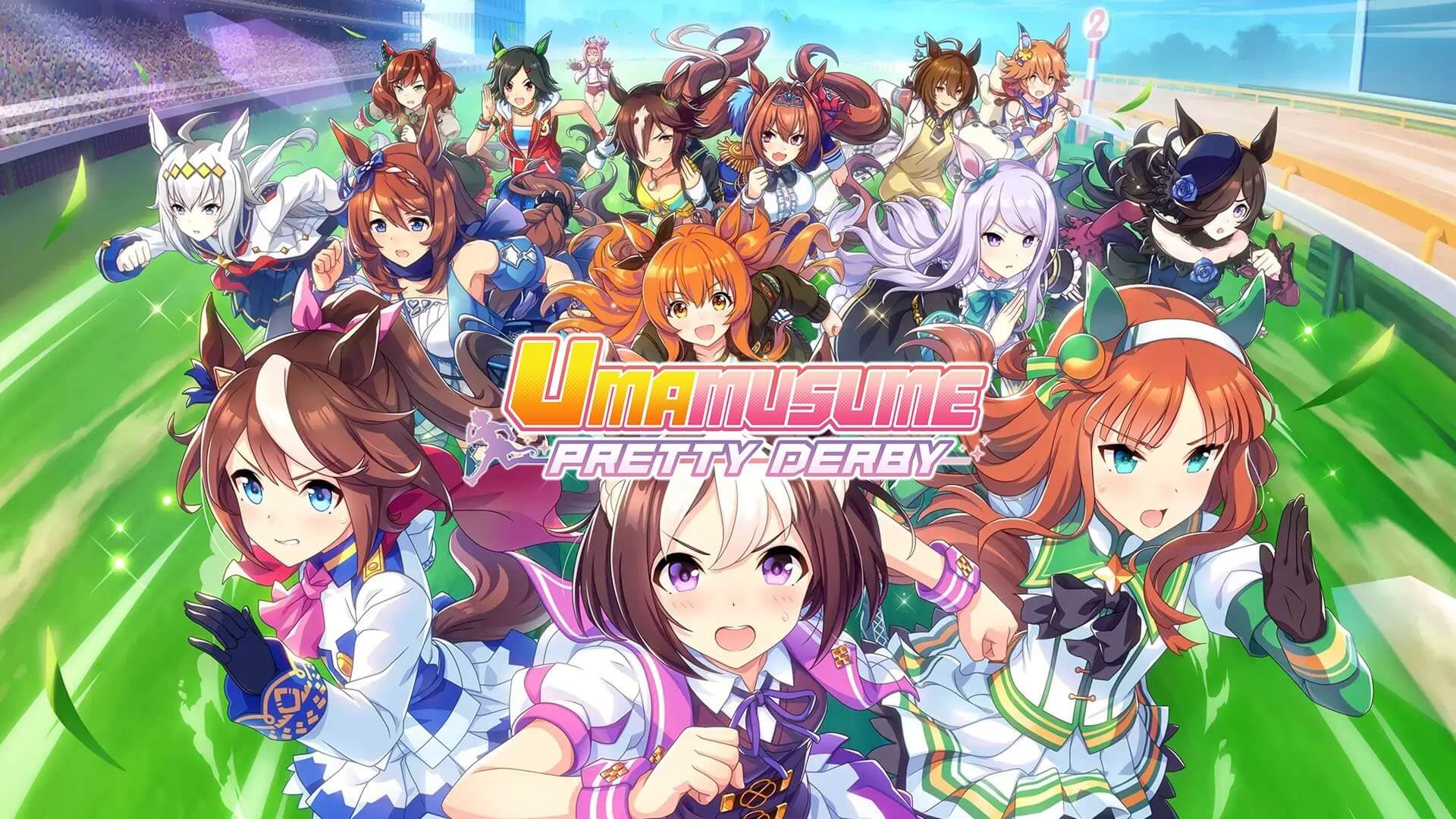
Everything you need to know about Umamusume, the multi-billion dollar horse racing universe with a cult global following.
Idol Horse
08/05/2026
Victoire Pisa: Turkish Relief For Japan’s “Nice” Dubai World Cup Hero
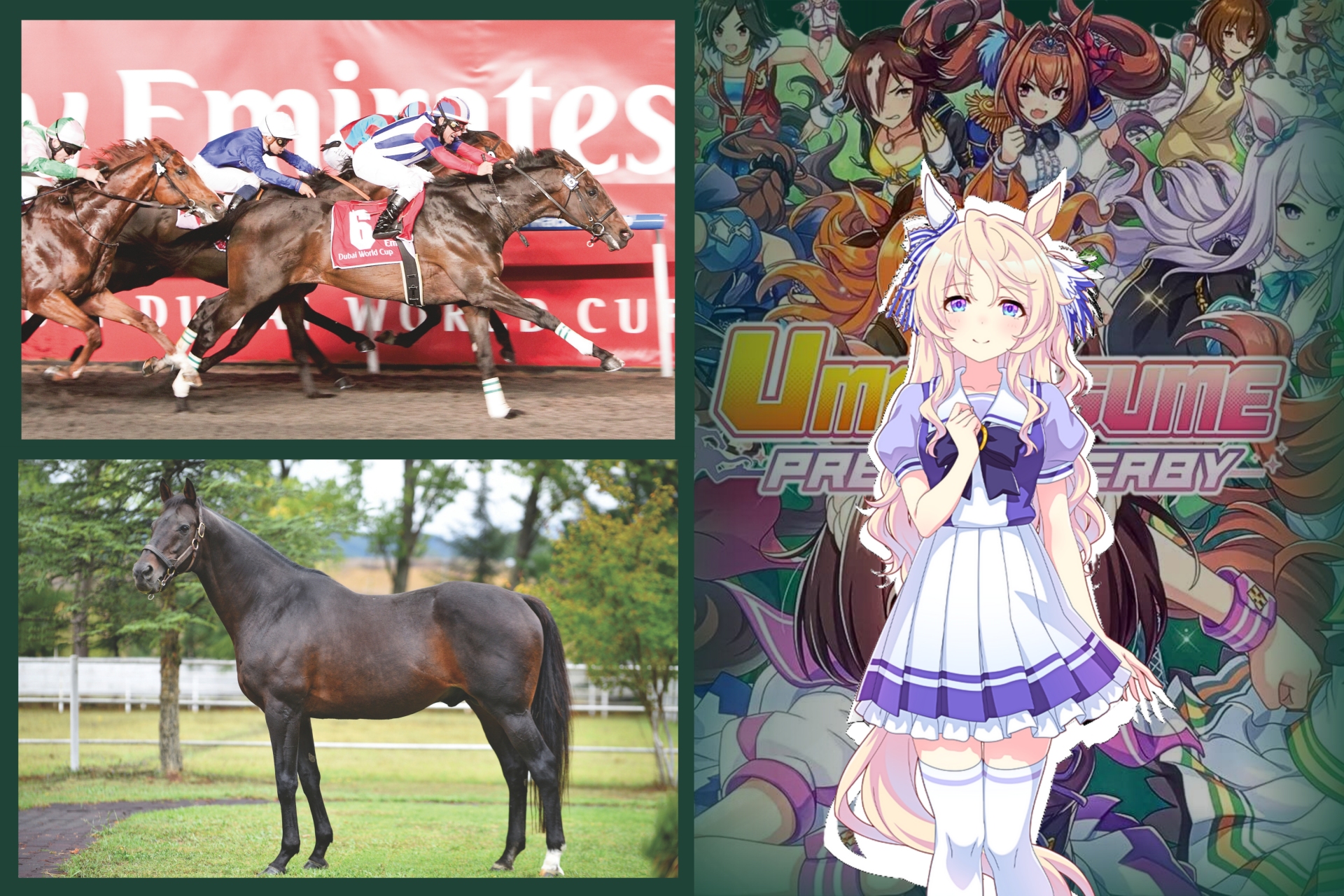
Fifteen years on from Victoire Pisa’s historic and uplifting Dubai World Cup win, the stallion is recovering from recent sickness at his home in Turkey and his vet and his former jockey Mirco Demuro tell of a “good” horse with a “serious” outlook and a “nice” nature.
David Morgan
08/05/2026
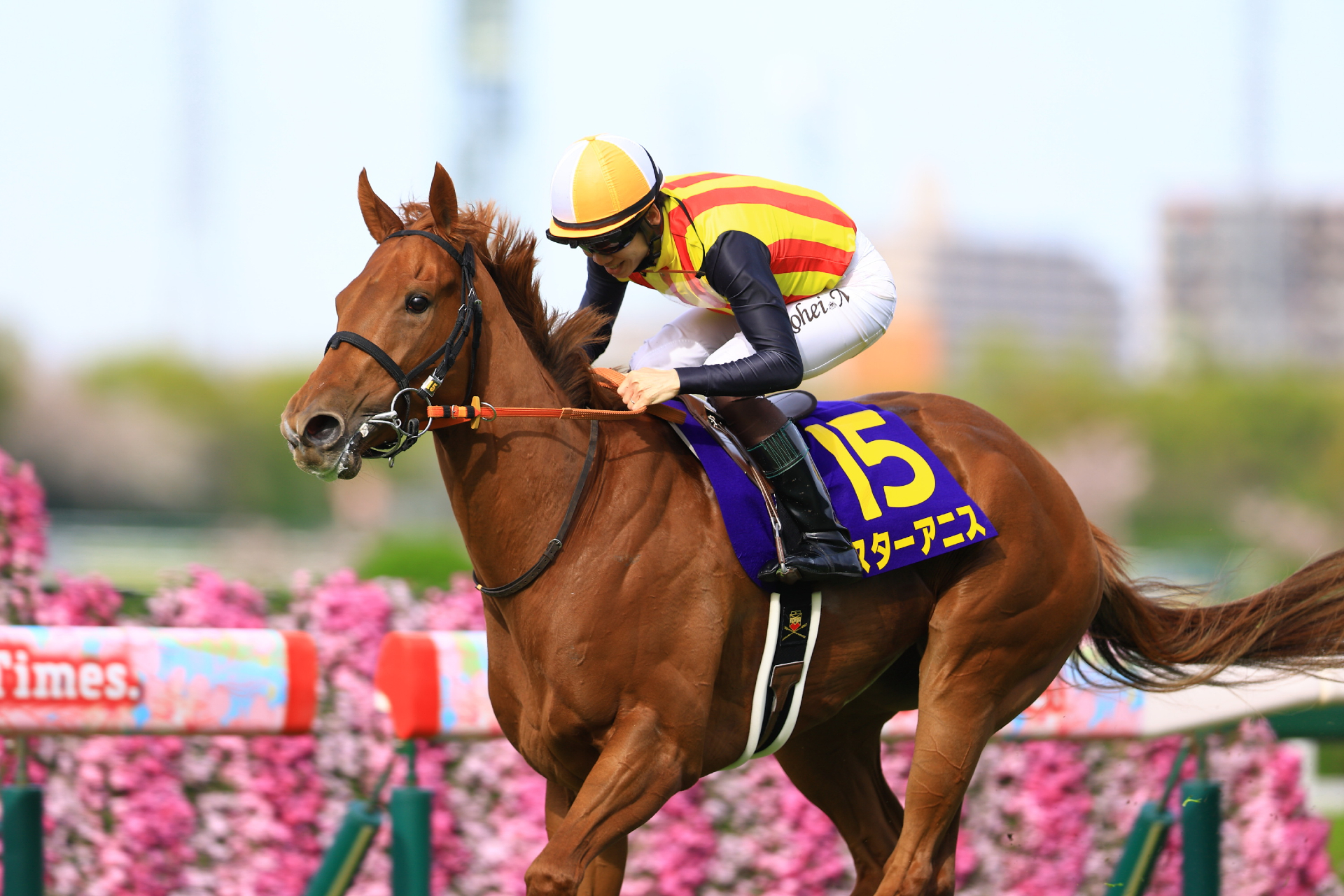
One Down, Two To Go: Star Anise Stakes Triple Tiara Claim As Matsuyama Sends A Pointed Message
Trainer Tomokazu Takano's fresh-horse gamble pays off as Star Anise answers every question in the Oka Sho, dominating rivals at Hanshin and her jockey pointing the way to the Yushun Himba.
Shuhei Uwabo
Race Information
- Date Sunday, May 10
- Racecourse Tokyo (Left-Handed)
- City Fuchu, Tokyo
- International Status Group 1
- Local Status Group 1
- Conditions 3YO (No Geldings)
- Surface Turf
- Distance 1600m
- Prizemoney (Local) ¥283,100,000
- Prizemoney (USD) US$1,827,000 (Approx.)
- First Run 1996 (Taiki Fortune)
History
The NHK Mile Cup is the race for three-year-olds who would rather sprint than slog. Run over 1600 metres at Tokyo Racecourse, it offers colts lacking the stamina for the 2000m Satsuki Sho, a Group 1 alternative or a stepping stone to the Tokyo Yushun (Japanese Derby). For the fillies, fresh off the Oka Sho, it is a shot at taking down the boys.
The girls have made the most of that invitation. Five fillies have won since Seeking The Pearl struck in 1997, and she went on to become the first Japanese-trained Group 1 winner in Europe when she took the Prix Maurice de Gheest in France a year later. El Condor Pasa, the 1999 Arc runner-up, also has his name on the honour roll.
Tokyo’s sweeping left-handed mile, with its long home straight, puts a premium on tactical speed and a finishing kick. It is a genuine test – no soft touch – and the race has a habit of identifying horses with futures well beyond their three-year-old season.
The roll call of past winners includes Kurofune, King Kamehameha and Mikki Isle, colts who announced themselves here before joining Japan’s competitive stallion ranks. Win the NHK Mile Cup and you are in elite company.
Statistics
Top Contenders
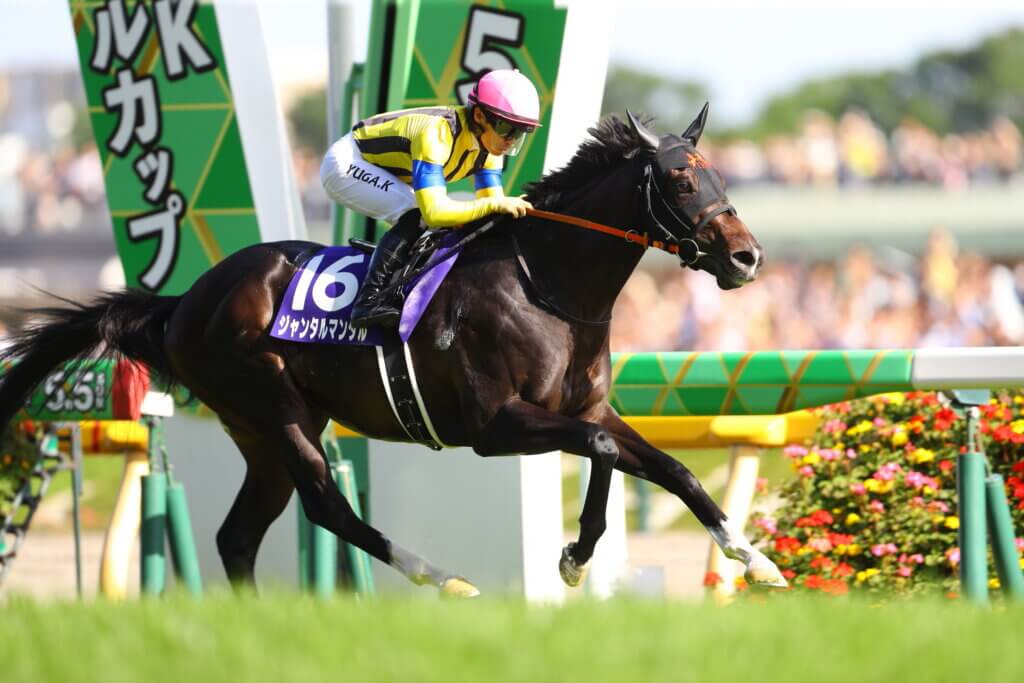
DIAMOND KNOT (Bricks and Mortar x Endless Knot); 3YO
Trainer: Yuichi Fukunaga
Jockey: Yuga Kawada
Biggest Win: G2 Keio Hai Nisai Stakes (2025)
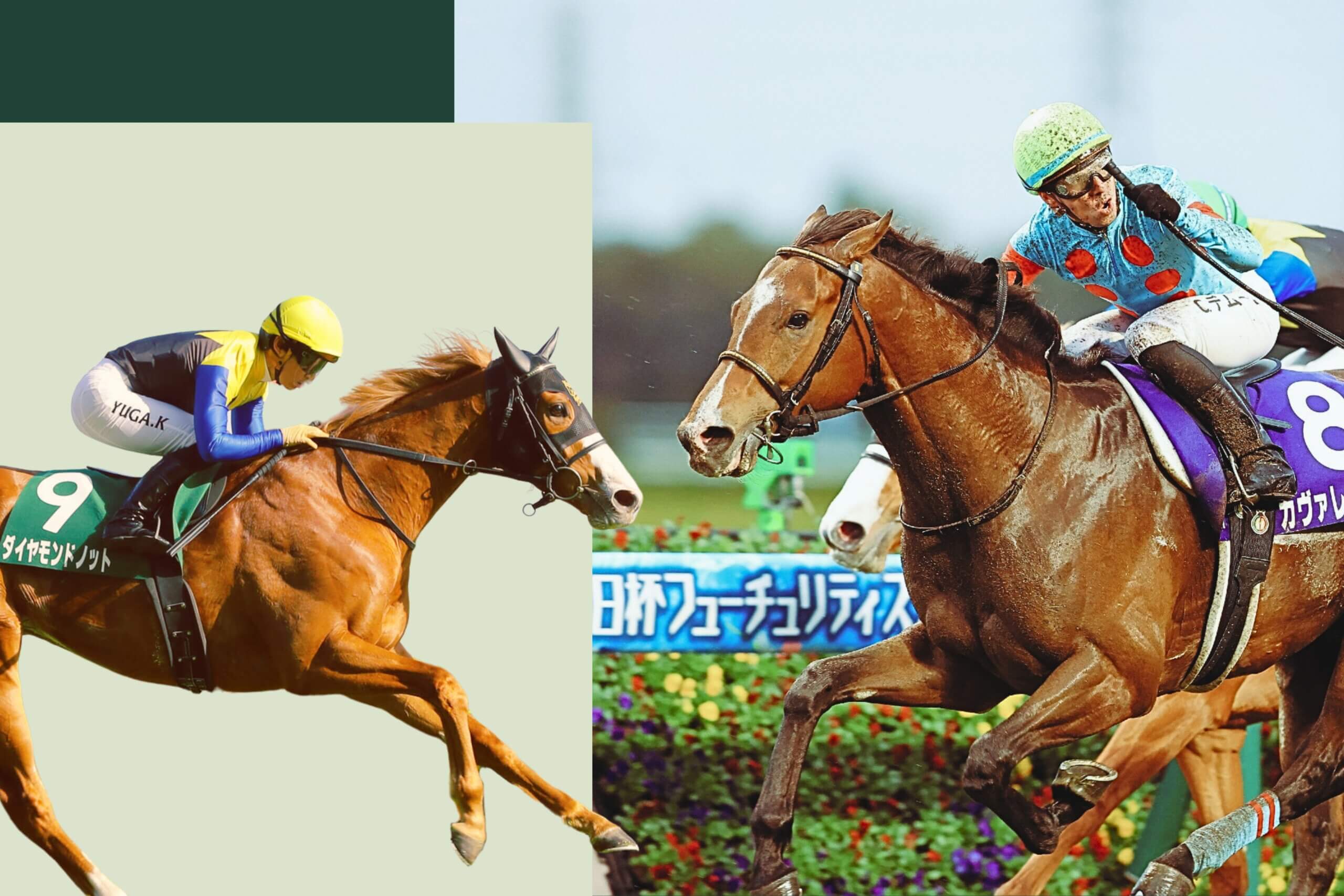
Diamond Knot has been campaigned at 1600m or shorter since his debut, and this will be only his second start at a mile. Developed thoroughly as a short-distance horse, he now targets the mile crown he has long been aimed at in the NHK Mile Cup. He finished a close second to Cavallerizzo in the G1 Asahi Hai Futurity Stakes in December, making this an ideal stage for revenge.
His dam Endless Knot won four races over sprint distances, and her full siblings include the 2016 Tokyo Yushun winner Makahiki and the 1200m G3 winner Uliuli. Diamond Knot debuted last June and needed three starts to break his maiden, but in November’s G2 Keio Hai Nisai Stakes (1400m), he overwhelmed his rivals to win by three lengths. The following month, he ran a fine second in the Group 1, and in his first start of his three-year-old season, the G3 Falcon Stakes, he was locked in a fierce battle for much of the race before drawing clear late to claim his second graded win.
His sire Bricks And Mortar was imported to Japan after being named the 2019 Eclipse Award Horse of the Year, but his progeny have yet to win a Group 1. Yuichi Fukunaga will be aiming for his first career Group 1 win as a trainer in a race he won as a jockey aboard Rhein Kraft in 2005.
Curiously, the last 10 Falcon Stakes winners to contest the NHK Mile Cup have all failed to finish in the top three (the winners in 2014 and 2017 did not run), but Panja Tower and Lauda Sion both won the NHK Mile Cup after being beaten in the Falcon Stakes. The last horse to complete the double was Jo Cappuccino in 2009.
CAVALLERIZZO (Saturnalia x Balladist); 3YO
Trainer: Tatsuya Yoshioka
Jockey: Atsuya Nishimura
Biggest Win: G1 Asahi Hai Futurity Stakes (2026)
JRA two-year-old champion Cavallerizzo returns to his proven mile distance after finishing down the field in the first colt’s classic, the G1 Satsuki Sho, where he tried 2000m for the first time. In the Asahi Hai Futurity Stakes, he defeated Realize Sirius, who would later finish second in the Satsuki Sho, as well as his NHK Mile Cup rivals Diamond Knot, Admire Quads and Ecoro Alba.
As a two-year-old, he raced exclusively over a mile. In November’s G2 Daily Hai Nisai Stakes, he finished a close second to Admire Quads, clocking the same time as the winner who won in track-record time. He then turned the tables on Admire Quads in the Asahi Hai Futurity Stakes, winning the race and earning the title of champion two-year-old colt. But in the Satsuki Sho, the step up in distance exposed him and he faded to finish 13th.
In the past 10 years, Jantar Mantar, Schnell Meister and Admire Mars have all won the NHK Mile Cup after being beaten over 2000m at their previous start, including in the Satsuki Sho. Last year, Magic Sands also finished second here after coming through the Satsuki Sho, making the ‘distance drop’ route a favourable pattern.
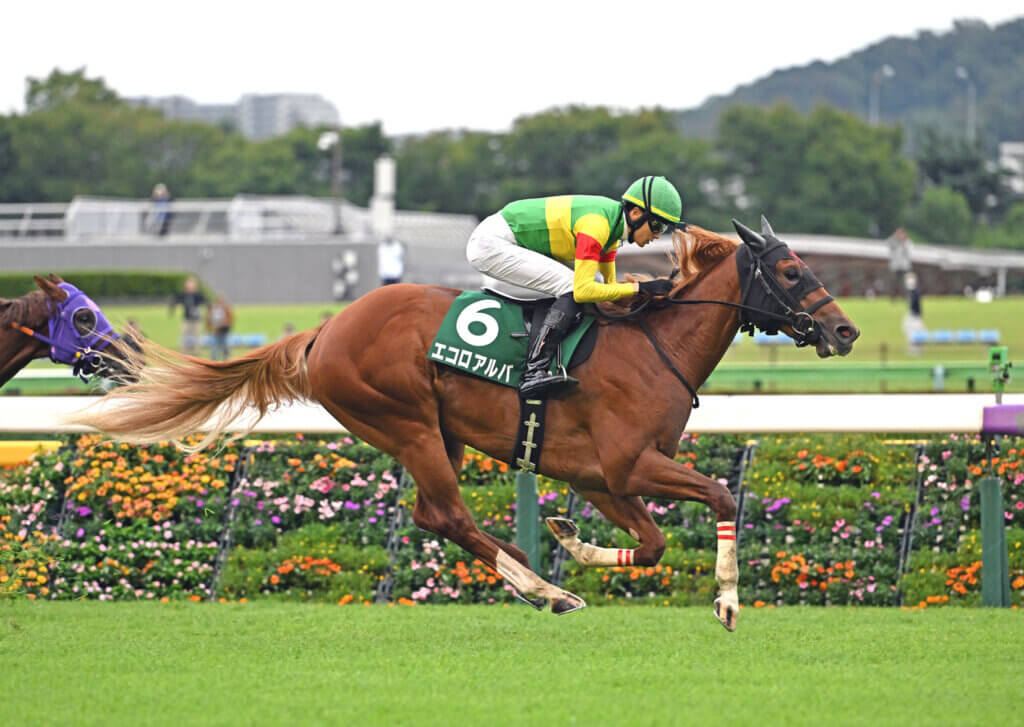
ECORO ALBA (Mozu Ascot x Star Actress); 3YO
Trainer: Yasuhito Tamura
Jockey: Kazuo Yokoyama
Biggest Win: G3 Saudi Arabia Royal Cup (2025)
Ecoro Alba, who attracted plenty of attention during his two-year-old season, returns to the racetrack in the NHK Mile Cup. He was sent off third favourite in the Asahi Hai Futurity Stakes and finished fourth, but he was only 0.3 seconds behind the winner, Cavallerizzo. There was little doubt that he would remain a horse to follow this year, but rather than forcing him into a prep race, he will now contest the race to decide the three-year-old mile champion first-up after four months away.
By the 2018 G1 Yasuda Kinen winner Mozu Ascot, he won on debut at Niigata in July by two and a half lengths, then produced a powerful last-to-first victory from the rear of the eight-runner field in October’s G3 Saudi Arabia Royal Cup (1600m). The late kick he displayed down Tokyo’s long straight was impressive. In the Asahi Hai Futurity Stakes, which ultimately went to two horses that raced on the inside, he made ground through the middle of the track, only to be passed late by Admire Quads even wider out, finishing fourth.
His win in a Group 3 over the same course and distance as the NHK Mile Cup is an appealing factor, but no horse making its first start of its three-year-old season in this race has finished in the top three in the past 10 years. He has had a different jockey in each of his three starts so far, and this time he will team up with Kazuo Yokoyama rather than Kohei Matsuyama, who rode him last time.
RODEO DRIVE (Saturnalia x Beverly Hills); 3YO
Trainer: Tetsuhide Tsuji
Jockey: Damian Lane
Biggest Win: 1 Win 3yo ALW (2026)
The G2 New Zealand Trophy is an important lead-up race for the NHK Mile Cup, but this year the runner-up Rodeo Drive may attract more attention than the winner, Reservation. In the past 10 years, two horses beaten in the New Zealand Trophy, Champagne Color and Keiai Nautique, have gone on to win the NHK Mile Cup, while no horse has completed the double in that period.
Owned by Katsumi Yoshida, Rodeo Drive won on debut at Nakayama in December, then drew immediate attention when taking an allowance race in March by three lengths. The following month, in the G2 New Zealand Trophy, he was sent off the overwhelming 1.7 favourite and produced the fastest final 600m sectional in the field, but he failed to catch Reservation who tracked the leader before taking over to win by a neck.
All three of his career starts have come over 1600 at Nakayama, and he has yet to race at any other course. His sharp burst of acceleration is a major weapon, but the long straight at Tokyo will present a very different kind of test.
Expert Analysis & Selections
Masanobu Takahashi
Angle: Sire suitability for the course
Racing at Tokyo over 1600m is a condition with a large sample size, so sire affinity tends to show up clearly. Among those sires with a meaningful number of runners, Saturnalia, Real Steel and Kizuna are the ones to note. They even outperform Lord Kanaloa, who has a strong presence in JRA mile races.
This year, three runners by Saturnalia line up, and Anduril is the one I want to highlight after his strong win in the Listed Ivy Stakes at Tokyo. For a similar reason, Ask Ikigomi (Lord Kanaloa) cannot be dismissed after his impressive debut win at Tokyo. The G3 Churchill Downs Cup (formerly Arlington Cup), which he won last time, is also a strong lead-up race for the NHK Mile Cup.
And Valsecito (Kizuna), a half-brother to 2020 NHK Mile Cup runner-up Resistencia, has an appealing, sustained turn of foot that should be well suited to Tokyo’s long straight. Admire Quads (Real Steel) also possesses a powerful finish, and back at a mile he may be able to show his true strength.
Selections: #12 Anduril, #16 Ask Ikigomi, #14 Valsecito, #11 Admire Quads
Homan
Angle: Class makes it all
The NHK Mile Cup is the only spring Group 1 over 1600m for three-year-olds. It usually brings together proven juveniles who came up short in the classics and improving three-year-olds looking to establish themselves over a mile. Recent winners and placegetters such as Magic Sands, Jantar Mantar, Songline and Admire Mars all bounced back in this race after classic setbacks.
Two such runners this year are Admire Quads and Cavallerizzo, both beaten in the Satsuki Sho. They are proven milers from their two-year-old campaigns: Admire Quads beat Cavallerizzo in the G2 Daily Hai Nisai Stakes, while Cavallerizzo turned the tables in the G1 Asahi Hai Futurity Stakes, with Admire Quads finishing third. Both can be forgiven for their Satsuki Sho defeats, as the 2000m trip looked beyond their best distance; Admire Quads, in particular, should appreciate returning to Tokyo over a mile, where he already has course-and-distance experience from his debut.
Tokyo Racecourse tends to favour backmarkers, so strong finishers deserve extra respect. Rodeo Drive, runner-up in the G2 New Zealand Trophy, is the fastest last-600m performer from that race, and the jockey switch to Damian Lane is a positive for this Saturnalia colt. Valsecito is another worth noting: he has raced four times over a mile, posted the fastest final 600m in each of those runs, and could be a value play despite making his Tokyo debut.
Selections: #11 Admire Quads, #4 Cavallerizzo, #17 Rodeo Drive, #14 Valsecito
Shuhei Uwabo
Angle: Tokyo Mile suitability is key
The NHK Mile Cup is run over a course that tests both acceleration and the ability to sustain a run through the long home straight and uphill finish. With closers having made their presence felt in recent renewals, I would rather focus on horses capable of producing a long, sustained effort over the Tokyo mile than those reliant solely on early speed.
Ask Ikigomi won his debut over the Tokyo 1600m and followed up in the G3 Churchill Downs Cup, where he produced a final 600m in 33.7 seconds. He has tactical versatility and should be able to cope even if the early pace is honest.
Ecoro Alba is already proven over the course and distance, having won the G3 Saudi Arabia Royal Cup over the Tokyo mile. He has shown the ability to sustain his closing speed down the long straight, making him hard to leave out.
Admire Quads, who also won his debut over this course and distance, comes here on a two-week turnaround after finishing 15th in the Satsuki Sho. However, the drop back in trip here should work in his favor. His third-place finish in the G1 Asahi Hai Futurity Stakes and his run in the Daily Hai suggest that a return to the mile is a positive. The main concern is how much the Satsuki Sho took out of him, but from a Tokyo mile suitability standpoint, he is worth including.
Cavallerizzo, winner of the G1 Asahi Hai Futurity Stakes, is clearly a high class miler. Progeny of Saturnalia also rate well for Tokyo’s turf 1600m, and he has the class to stick on if he can travel in a handy position, even off a strong pace. However, I have marked him down slightly because of concerns about his condition following a heavy defeat in the Satsuki Sho.
Selections: #16 Ask Ikigomi, #10 Ecoro Alba, #11 Admire Quads, #4 Cavallerizzo
Steven Ho
Angle: Dash over speed
Horses with a speed-oriented running style that were unsuccessful in the Satsuki Sho often aim for redemption in this race; however, only two horses from the past five years have placed in the NHK Mile Cup after taking part in the Satsuki Sho: Magic Sands (6th in Satsuki Sho, 2nd in NHK Mile Cup 2025) and Jantar Mantar (3rd in Satsuki Sho, 1st in NHK Mile Cup 2024).
Due to the long home stretch at Tokyo Racecourse, horses with a powerful finish are especially advantaged. Notably, just three of the last 15 placegetters in the past five years were among the first three positions during the final bend, while even late runners positioned at or near the rear during that stage have managed to secure placings, underscoring the greater significance of acceleration over tactical speed.
Diamond Knot brings considerable versatility to this field, with victory in the G3 Falcon Stakes, which is an important trial for this race. Both Lauda Sion and Panja Tower achieved success in the NHK Mile Cup following their defeats in the Falcon Stakes in 2020 and 2025, respectively.
The runner-up in the Falcon Stakes, Fukuchan Sho, is also regarded as a potential contender, being defeated by Diamond Knot in the G2 Keio Hai Nisai Stakes at age two and placing in two races during his three-year-old campaign. His consistent closing speed makes him a noteworthy outsider in this feature.
Cavallerizzo seeks to regain prominence after a disappointing performance in the Satsuki Sho. His debut win at Chukyo – a left-handed track – may enhance his prospects here. Returning to the mile distance should enable him to race as a backmarker, allowing him to demonstrate his strong turn of foot on Tokyo’s long home straight.
Ecoro Alba enters this race for his first start as a three-year-old, having previously won the G3 Saudi Arabia Royal Cup over the same course and distance. Displaying strong finishing speed in all three career starts, Ecoro Alba warrants consideration.
Selections: #7 Diamond Knot, #18 Fukuchan Sho, #4 Cavallerizzo, #10 Ecoro Alba