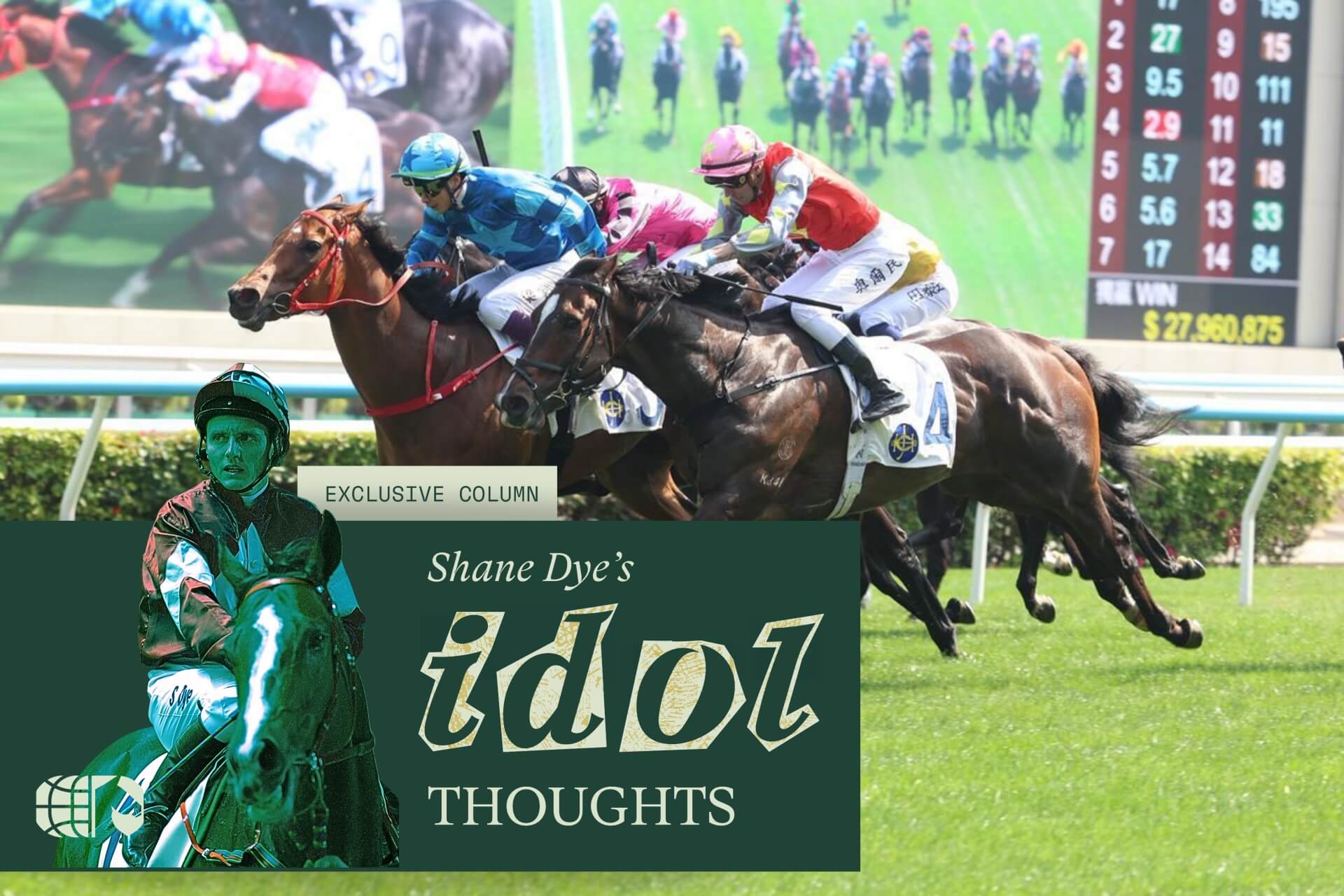
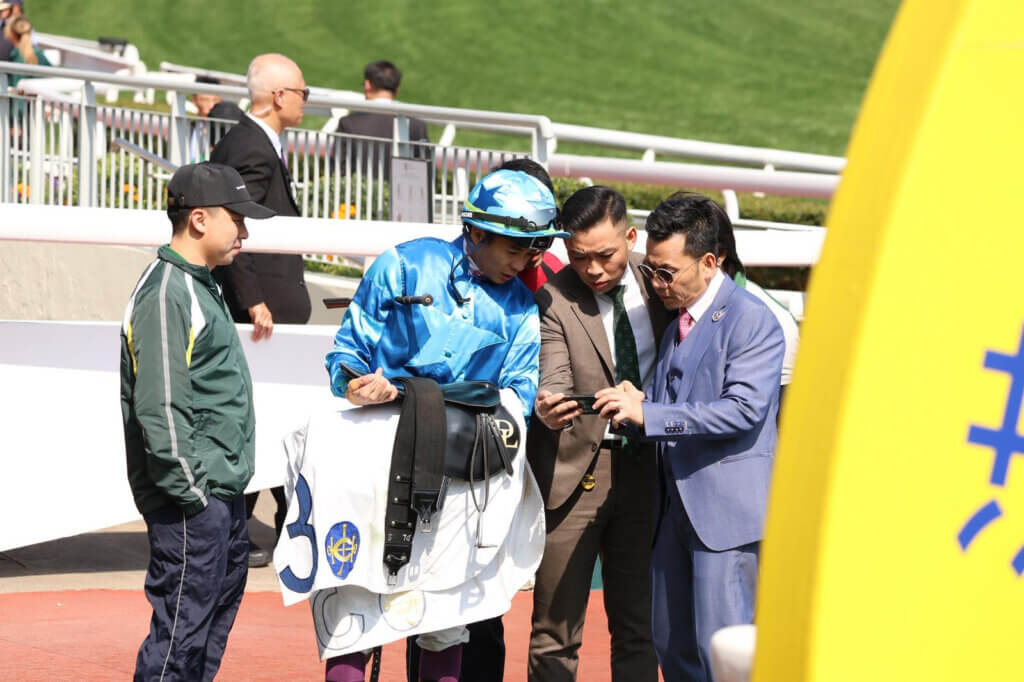
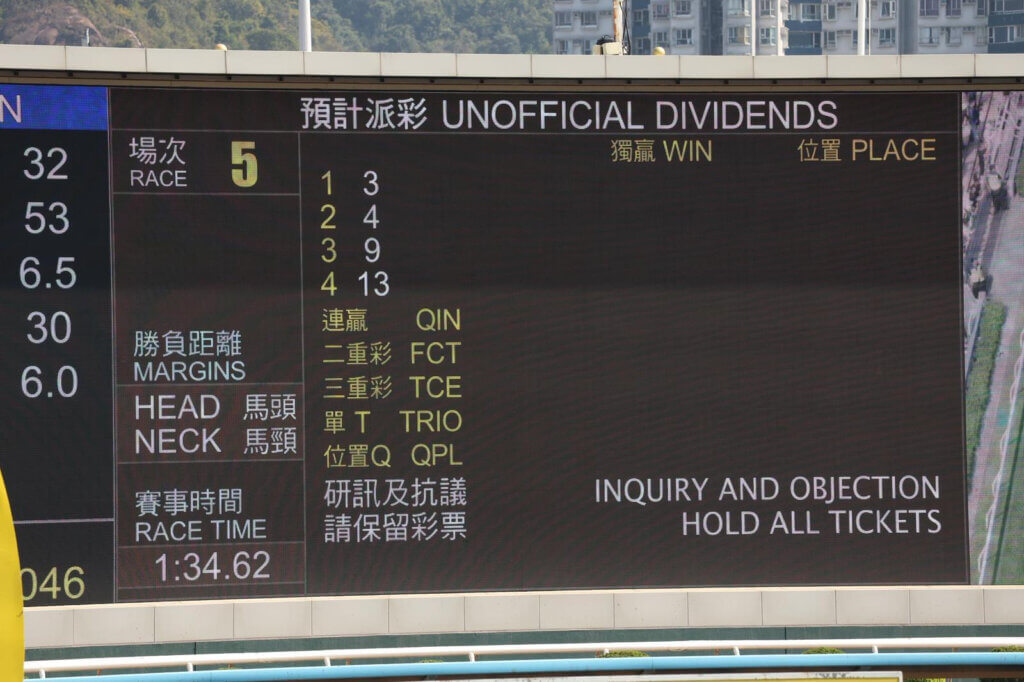
There was more debate than there should have been about the protest involving Master Trillion and The Golden Knight at Sha Tin, because to me it was an easy call and the Hong Kong Jockey Club stewards got it right.
The Golden Knight had established his run. Master Trillion shifted out. The Golden Knight was checked at the exact stage of the race where momentum matters most. When the margin at the finish is only a head, and one horse has clearly lost momentum because of interference, there is not much mystery to solve. The stewards did not need to be clever. They just needed to be right. And they were.
Let’s talk about what makes a good stipendiary steward.
A good steward gets things done behind the scenes. He is constantly dealing with issues before they become public issues. He is setting standards, maintaining order and making sure that when race day comes, the focus is where it should be – on the horses, the jockeys and the result. Bad stewarding is when the officials make themselves the story. Good stewarding is when racing runs cleanly and safely and most people barely notice the officials.
It’s the same as football – you know a referee has done a good job when you are not talking about them after the game – you are talking about the match.
That does not mean the job is easy. Far from it.
The first responsibility of every steward is safety. That comes before anything else. Their job is to make sure jockeys go home safely to their families after the races. That means policing interference properly and making it clear that careless riding is not just a technical offence in a rulebook. Horses are travelling at speed, decisions are made in split seconds, and one mistake can put lives at risk. When stewards punish interference, they are not just dealing with one incident – they are trying to prevent the next one.
The second responsibility, only slightly behind safety, is integrity. The punter has to get a fair go. Everyone watching has to feel the result is honest and that every jockey is out there doing his best. That is why hard questions have to be asked when a favourite runs below expectations. Did something go wrong in running? Was there a veterinary issue? Was there a legitimate excuse? Or was the performance simply not good enough? These are not side issues. They are about the integrity of the sport.
Hong Kong is particularly strong in that area because the level of transparency is high. The Jockey Club’s veterinary reporting and post-race accountability give punters and connections more information than most jurisdictions around the world. Horses are inspected, issues are recorded and the public gets answers. That matters. As soon as there was racing, there was betting. And as soon as there was betting, there were outside forces that wanted to influence the outcome of races. Strong stewarding is about making sure those forces stay on the outside.
But above all, what separates great stewards from average ones is simple: they can read a race.
That is the real test. They may never have ridden in one, but they must understand how races are run, how tempo shapes decisions, how runs develop, how gaps close, and how quickly a jockey has to react when things go wrong. They need to know the difference between careless riding and a split-second move made to avoid something worse. If you cannot read a race, you cannot judge one properly.
And that is why, in the end, the best stewards are usually the ones we are not talking about. They get the big calls right, they protect jockeys, they protect punters, and they keep the sport clean without making themselves the centre of attention. That is exactly how it should be.
The One Mistake Stewards Keep Getting Wrong
There is one mistake stewards make over and over again when it comes to careless riding, and it usually happens when horses are crossing from outside barriers trying to get a position.
The outside jockey is often the one who gets blamed. On the head-on, it looks simple: he is coming across, there is tightening inside him, and the easy decision is to say he was not sufficiently clear. Black and white. Case closed.
But it is not always that simple.
A lot of the time, the real damage is done by the jockey underneath him – the one on the inside of the horse coming across. He knows the outside horse is coming over. He pushes up into a run that was never really there, puts himself in a position to be used, and suddenly the outside horse gets blamed for interference that was helped, or even caused, from the inside.
That is the part stewards too often miss.
From the stand, and especially on the head-on film, it can be an optical illusion. It looks like the horse coming across has rolled in and caused the trouble. But often the inside rider has contributed to it by driving up, holding his ground when he should be helping to avoid interference, or putting himself in exactly the spot where he knows the outside horse will carry him down onto others.
I have seen it plenty of times, and I have done it myself.
That is why race-reading matters so much in stewarding. It is not enough to freeze the vision and ask whether a rider was two lengths clear. Sometimes he was never going to get two lengths clear because someone inside him was digging up underneath him and creating the very incident the stewards later punish the wrong way.
There is another part of it too: communication.
Jockeys talk constantly when races get tight, especially going into the first bend. A rider in the middle should be calling to the jockey outside him – telling him he has one or two runners inside, letting him know the situation before it turns into trouble. I always did that. If someone was coming across, I would call out and let him know what was underneath him. That is part of riding. It helps prevent interference before it happens.
Stand near the outside rail at the first turn in a 1650-metre race at Happy Valley and you might even hear it. Twelve horses are jostling for position, nobody wants to be trapped three or four wide, and the calling starts as soon as riders feel pressure building.
That is why this issue is more complicated than the standard stewarding line. Too often, the outside jockey wears the blame because that is what the replay seems to show at first glance. But the rider on the inside, the one who pushed into the spot and let himself be used, can be the one who actually caused the chain reaction.
That is the mistake stewards keep making. They are pinging the obvious rider, not always the right one.
Tentyris: Not Disappointing At All
Tentyris was beaten as favourite in the Newmarket Handicap, but I would not call the run disappointing at all.
The race shape was against him from the start. When the field didn’t go to the outside fence, and switched to the inside, that made it much more difficult for Tentryis, given where he was drawn, and his racing pattern.
Flemington was on-pace all day. Craig Newitt was able to get the winner Caballus to the front and then slow them right down – that made it impossible for backmarkers to get into the race.
He was also badly weighted for a three-year-old. Carrying 57 kilograms in that race made the task harder than it looked on paper, especially for a horse with his pattern. When you are ridden quietly and spotting them a start, every extra kilo matters.
Then there was the heart irregularity. That gave him another genuine excuse.
So for him to finish as close as he did, I thought he did a very good job. Not amazing, but a very good job. There were enough reasons there to say he ran well in defeat and no one should be knocking him.
What it did expose, though, was one disadvantage in his potential Everest match-up with Ka Ying Rising.
With Ka Ying Rising, you know where he is going to be — up near the speed, out of trouble, travelling comfortably, and still able to come home in sharp late sectionals. That is a major advantage on modern tracks, because so many of them favour horses in the first few pairs.
For horses like Tentyris, who race back in the field, it creates a very difficult problem. When the pattern is against you, you are forced to produce exceptional sectionals just to get into the finish. That is a hard task in any Group 1, especially when the tempo is only moderate and the leaders are not stopping.
So yes, he got beaten. But disappointing? Not at all. ∎